



Dallas' DART Warns State House Bill Could Kill Transit
DART’s sales tax revenue was authorized twice through a democratic vote by the communities it serves.

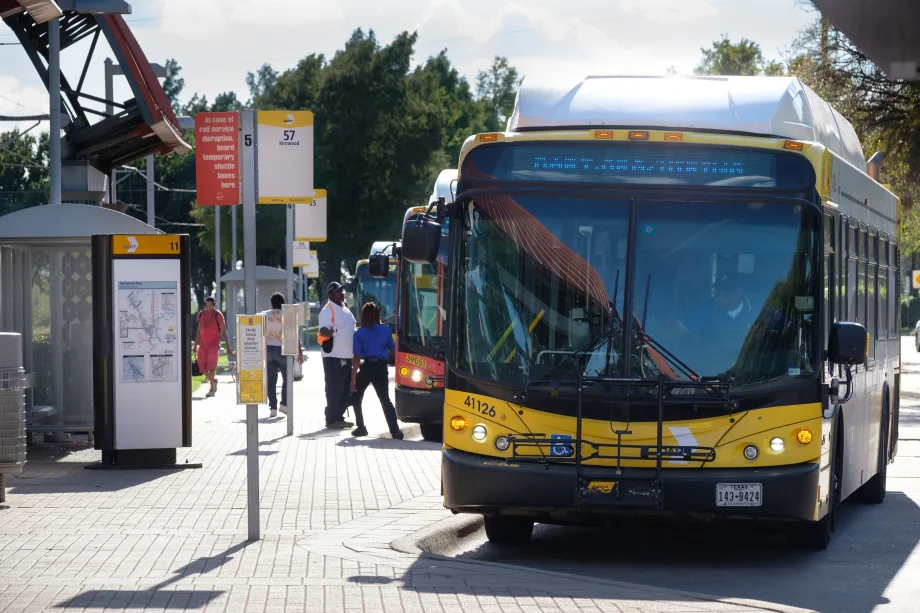
DART says the repercussions of H.B. 3187 ripple well beyond buses and trains.
Photo: DART
In a move that threatens to derail the future of public transportation in North Texas, the Texas Legislature is advancing House Bill 3187 — a measure that Dallas Area Rapid Transit (DART) warns could spell catastrophe for the region’s mobility, economy, and quality of life.
H.B. 3187 would strip DART of its voter-approved sales tax funding, gutting the agency’s budget and unleashing a cascade of devastating consequences: the elimination of more than 5,800 local jobs, the cancellation of key infrastructure improvements, and service cuts exceeding 30%, according to the agency.
“This bill isn’t a tweak to funding. It’s a full-on dismantling of the DART system,” said Jeamy Molina, DART’s chief communications officer. “The people of North Texas voted twice to fund a unified, regional transit system. House Bill 3187 completely ignores their voice and puts the future of public transportation in jeopardy.”
Impact on DART
DART’s sales tax revenue was authorized twice through a democratic vote by the communities it serves. The agency says the proposed legislation, by forcibly redistributing this funding, would override the will of the electorate and undermine decades of regional planning.
Officials add the damage wouldn’t stop at operational setbacks. More than $3.5 billion in planned transit-oriented development projects near rail stations would be stalled or canceled outright. Economic growth, especially in historically underserved areas, would also halt.
Far-Reaching Impact Beyond Transit
DART says the repercussions of H.B. 3187 ripple well beyond buses and trains.
Reduced transit access means reduced opportunity for essential workers, low-income families, and anyone who relies on DART to reach a job, a classroom, or a doctor’s office.
It also weakens North Texas’s position on the global stage. With the 2026 FIFA World Cup on the horizon, a functional, efficient transit system is vital. H.B. 3187 puts that readiness in doubt.
More Management

COTA Launches First Customer Experience Action Plan to Improve Transit Service
The new plan outlines improvements to service reliability, accessibility, communication, and the overall rider experience across Central Ohio's transit system.
Read More →
LA Metro September Ridership Climbs 3.9%, Led by Rail Growth
The agency recorded more than 27.2 million boardings, with rail ridership increasing 12.4% year over year and the D Line posting the largest gains.
Read More →
Utilimarc Launches SmartReplace to Optimize Fleet Replacement Decisions
AI-powered SmartReplace helps fleets prioritize vehicle replacements, model budget scenarios, and build more defensible long-term strategies.
Read More →
APTA Honors 2026 Award Winners, Hall of Fame Inductees at TRANSform & EXPO
Innovations in autonomous and zero-emission transportation, standout transit systems, and industry leadership took center stage among this year's honorees.
Read More →
7 Ways to Build a Better Transit Internship Program
Lessons from DRPA/PATCO’s approach to creating a meaningful internship experience—and developing the next generation of transportation professionals.
Read More →
Scenes from APTA TRANSform & EXPO 2026
Transit leaders, manufacturers, and industry professionals gathered in Chicago to explore new technologies, share ideas, and discuss the future of public transportation.
Read More →
Building Stronger Leaders, More Resilient Transit Teams
Dr. Carol Parker Walsh discusses leadership development, employee retention, workplace culture, and preparing transit’s workforce for AI and automation.
Read More →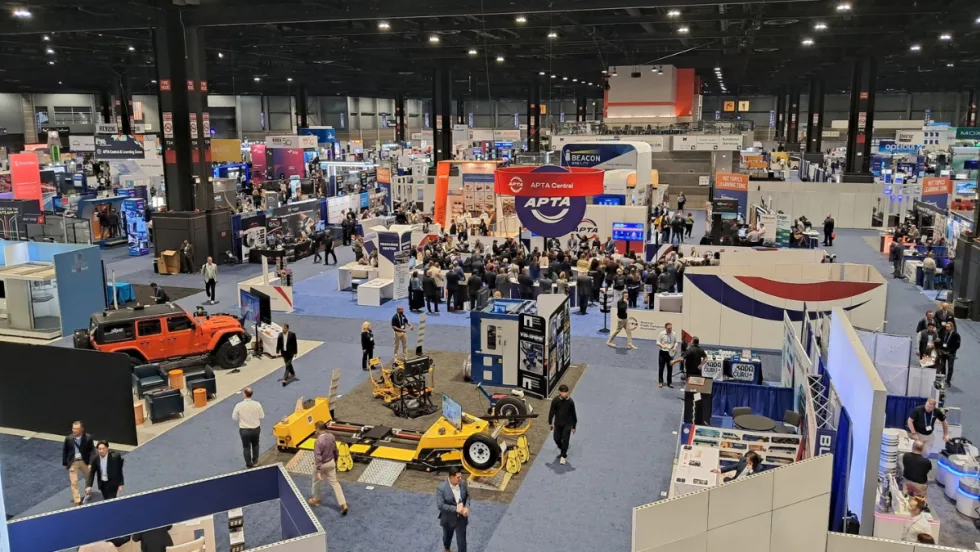
APTA 2026 TRANSform & EXPO Kicks Off in Chicago
After 45 years, APTA returns to Chicago with a focus on next-generation fleets, AI, connected transit networks, and the funding strategies shaping public transportation’s future.
Read More →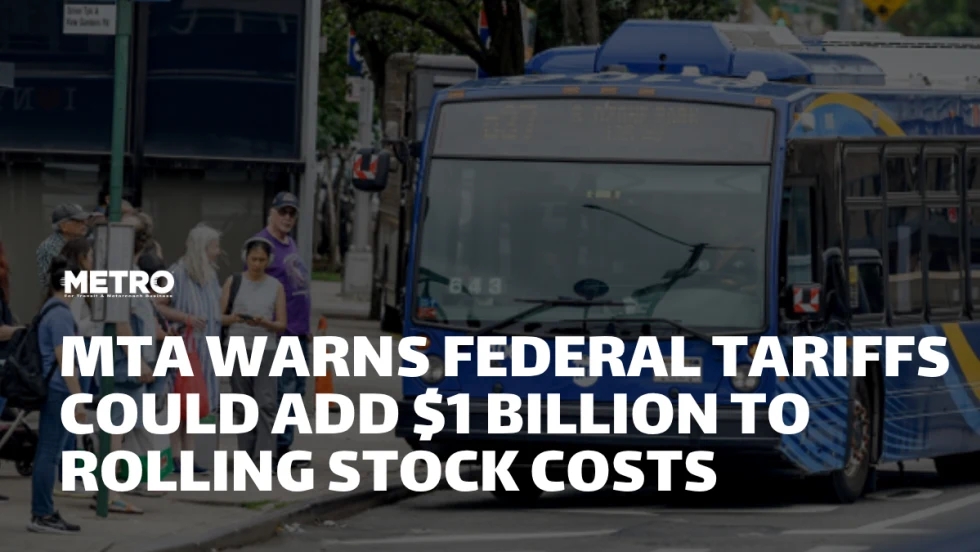
New York MTA Warns Federal Tariffs Could Add $1 Billion to Rolling Stock Costs
The agency said tariffs on specialized imported components could reduce the purchasing power of its $23 billion investment in new subway cars, railcars, and buses.
Read More →
From the Show Floor: What Happened at APTA TRANSform & EXPO 2026
See the latest product launches, partnerships, technology updates, and transit industry announcements from APTA TRANSform & EXPO in Chicago.
Read More →