DART Board Approves Strategic Plan to Guide Future Priorities, Innovation
The comprehensive plan intends to move DART from its current state, “Point A,” to a future where DART becomes a premier regional economic and mobility asset, or “Point B.”
Through the Point B Strategic plan, DART aims to transform its transit facilities into community assets, foster strategic partnerships with local governments and businesses, and create fantastic spaces around transit hubs that support economic development and quality of life.
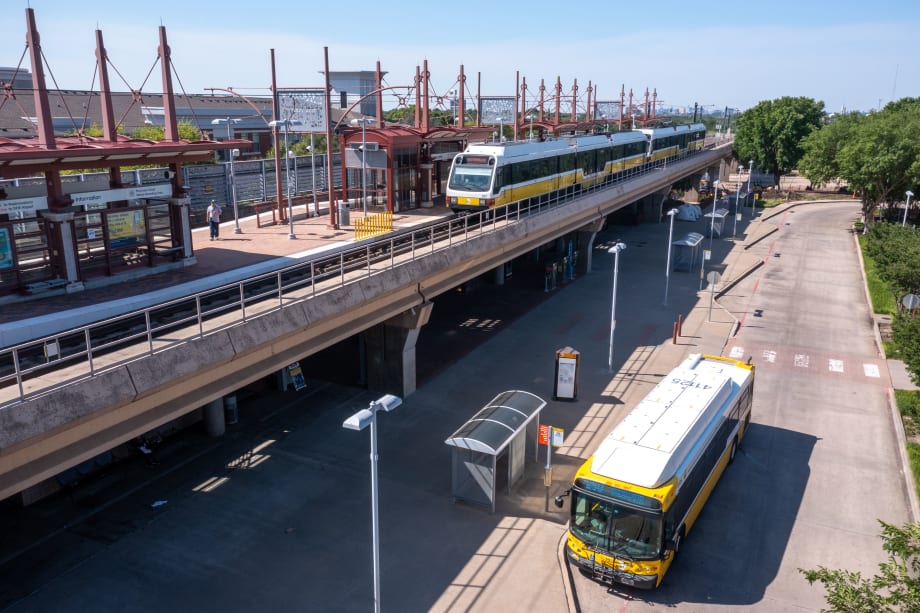
Photo: DART
2 min to read
The Dallas Area Rapid Transit (DART) board approved updated Strategic Plan Goals, a new Vision Statement, and a new Mission Statement, all designed to steer the agency toward a more dynamic, efficient, and community-focused future.
The comprehensive plan intends to move DART from its current state, “Point A,” to a future where DART becomes a premier regional economic and mobility asset, or “Point B.”
Ad Loading...
Getting to DART’s “Point B”
The newly approved plan outlines a bold vision and will serve as a guiding framework for DART over the next decade. The goals articulate a clear pathway that leverages DART as a valued partner in the economic and social landscape of North Texas.
The new vision statement positions DART as "Your first-in-mind mobility partner," reflecting the agency's mission and commitment to delivering “best-in-class mobility experiences that help people and communities connect and flourish.”
The plan is organized around six goals, each supported by specific objectives and initiatives:
Empowered Agency: Streamline processes and empower employees to create a nimble organization that can respond swiftly and effectively to challenges.
Culture of Contribution: Foster a culture of trust and collaboration, aligning roles, and responsibilities with DART's vision to enhance performance and accountability.
Quality Service: Deliver a quality customer experience defined by strong rider advocacy, professional pride, and continuous improvement.
Seamless Mobility:Integrate mobility options to create a seamless travel experience characterized by frequency and reliability, making DART the first choice for regional travel.
Fantastic Spaces: Develop engaging and valuable spaces that enhance the rider experience and contribute to community sustainability and vibrancy.
Strategic Relationships: Position DART as a collaborative leader and recognized regional economic and mobility asset through strong partnerships and advocacy.
“This plan marks a significant turning point for DART,” said DART President/CEO Nadine Lee. “It reflects our commitment to both improve transit services and enhance the quality of life for the communities we serve. We are focused on making DART the first choice for mobility, and this plan sets everything in motion to achieve this brilliant future.”
Ad Loading...
The new vision statement positions DART as "Your first-in-mind mobility partner," reflecting the agency's mission and commitment to delivering “best-in-class mobility experiences that help people and communities connect and flourish.”
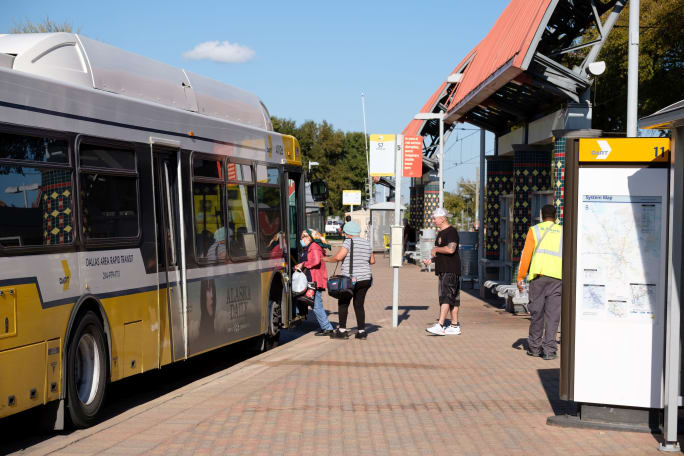
Photo: DART
Transparency, Accountability
Through the Point B Strategic plan, DART aims to transform its transit facilities into community assets, foster strategic partnerships with local governments and businesses, and create fantastic spaces around transit hubs that support economic development and quality of life.
DART is committed to transparency and accountability. The Strategic Plan will include an action matrix with timelines and metrics to track progress.
Annual reports will be published to communicate accomplishments and necessary refinements, ensuring that DART stays on course to achieve its strategic goals.
Contract Four is the largest in the Second Avenue Subway Phase 2 project and includes construction of station infrastructure, tracks, and signals for the subway expansion, MTA officials said. Work on Contract Four will begin in 2027.
The new regional transit authority appointed its first board chair and interim executive director while extending reduced fares across CTA, Metra, and Pace for eligible riders.
Reliability-Centered Maintenance helps transit agencies move beyond routine checklists to focus limited resources on the assets and failures that have the greatest impact on safety, reliability, and service.
The 90-day demonstration will deploy coordinated security teams at five light rail stations while testing controlled access and gathering data to guide future investments.
Learn about delivering 1300 gates at 91 stations while managing fare evasion. Explore the large scale deployment, solution customization and real-world results that affect the region. Prepare for deployment in your region now.
Between packed transit stations and team motorcoaches, see how agencies and operators across North America tackled the transportation demands of the 2026 FIFA World Cup.
The stopgap keeps federal transportation programs moving, but missing advance funding could complicate the transit and rail projects agencies are planning next.