



Data Shows Safety, Security Improving in Toronto
Initiatives intended to improve community safety and wellbeing on the transit system continue to progress and are ongoing.

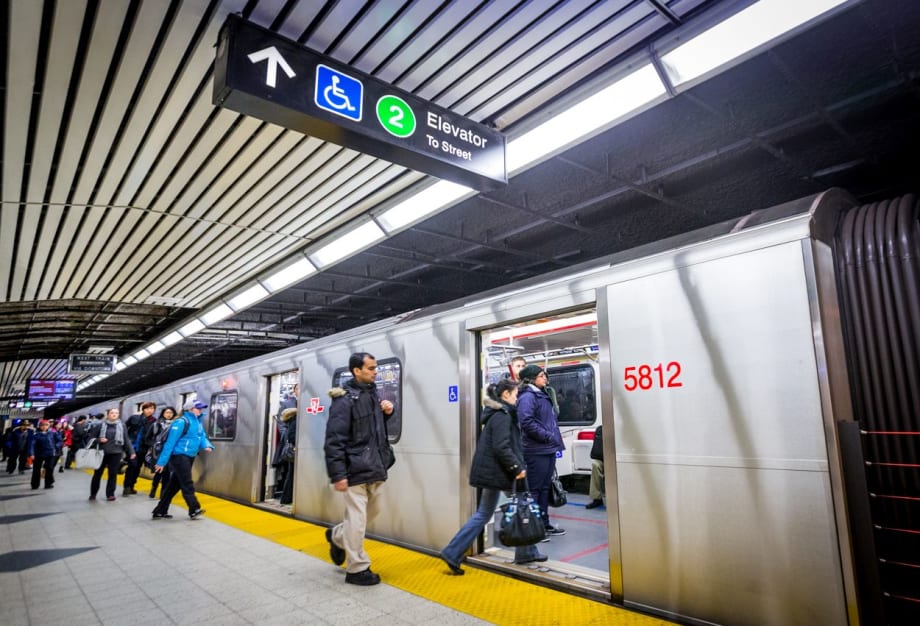
Earlier this year, in response to a number of high-profile crimes, the TTC entered into a collaboration with City of Toronto’s Shelter, Support and Housing Administration (SSHA) and Social Development, Finance and Administration (SDFA) divisions, Toronto Police Service, and Toronto Public Health.
Photo: TTC
Data released in a Toronto Transit Commission (TTC) report, and through a new City of Toronto dashboard recently launched, shows safety and security incidents on transit are decreasing as a result of enhanced measures.
These indicators come after the implementation of $5 million in new initiatives and enhanced measures over the past several months that were announced in January and approved in the 2023 operating budget. Initiatives intended to improve community safety and wellbeing on the transit system continue to progress and are ongoing.
The TTC, the City of Toronto, and other municipal and external partners will report on the progress of transit system community safety and wellbeing monthly on a new public dashboard.
The Data Says…
According to the tracked dashboard data, the rate of offences against customers (per one million boardings) has decreased by 33% since January. The rate of offences against employees also dropped in the same time period. As well, the types of offences have become less aggressive in nature. This is an early indication of the positive impact of recent initiatives implemented in response to community safety and security concerns, the report finds.
Additionally, more than 2,000 site visits from Streets-to-Homes teams have occurred since January resulting in individuals with complex needs being referred to shelters and being connected with mental health supports.
“I want to thank our employees and our City partners for the hard work to tackle the complex challenges our system has faced over the past several months,” said TTC CEO Rick Leary. “As promising as this trend is, we know the job is far from done. We remain committed to building on these initiatives to ensure we are addressing the concerns we’ve heard.”
Taking Steps to Ensure Safety
Earlier this year, in response to a number of high-profile crimes, the TTC entered into a collaboration with City of Toronto’s Shelter, Support and Housing Administration (SSHA) and Social Development, Finance and Administration (SDFA) divisions, Toronto Police Service, and Toronto Public Health. Together, they created a coordinated response designed to improve safety and restore confidence in the TTC as a safe place for customers and employees.
Among the steps taken:
Increased presence of Special Constables, Station Supervisors, Mobile Supervisors using designated TTC vehicles, and Fare Inspectors.
115 management/non-union staff deployed daily to engage with frontline staff to better understand and report issues and concerns.
20 Community Safety Ambassadors situated on TTC property to support safety needs related to persons experiencing homelessness and individuals with complex needs.
50 Security Guards supporting TTC customers’ safe travel experience, positioned in assessed key areas and the subway network.
Police officers assigned to patrol the TTC on a regular basis.
Enhanced station cleanings.
Additional Streets to Homes outreach teams connecting people with shelter and housing services.
LOFT and M-DOT support services one-year pilot providing mental health crisis supports.
Enhanced and expanded de-escalation training for employees.
TTC seconded to the City of Toronto to support initiatives.
A broad range of training, communications, jurisdictional reviews, and analytics integration initiatives.
The full report can be found here.
Another safety update report will be provided to the TTC Board this fall.
More Security and Safety

Transit Agencies Highlight Safety Gains at National Summit
Leaders from 15 major transit systems shared crime-reduction results and safety initiatives while discussing the role of continued federal support.
Read More →
DART Launches Major Security, Fare Enforcement Initiative
The 90-day demonstration will deploy coordinated security teams at five light rail stations while testing controlled access and gathering data to guide future investments.
Read More →
RTD Launches NextRide App to Consolidate Trip Planning, Fares, Security Reporting
The app expands on RTD’s existing NextRide web application and allows customers to view real-time vehicle locations and service alerts, purchase and store digital fares, and access customer support.
Read More →

TAPTCO Updates OSHA Compliance Training for Transit Maintenance Operations
The revamped program addresses 26 OSHA standards for maintenance facilities, with TAPTCO pointing to training, documentation, and everyday shop hazards as continuing challenges for transit operations.
Read More →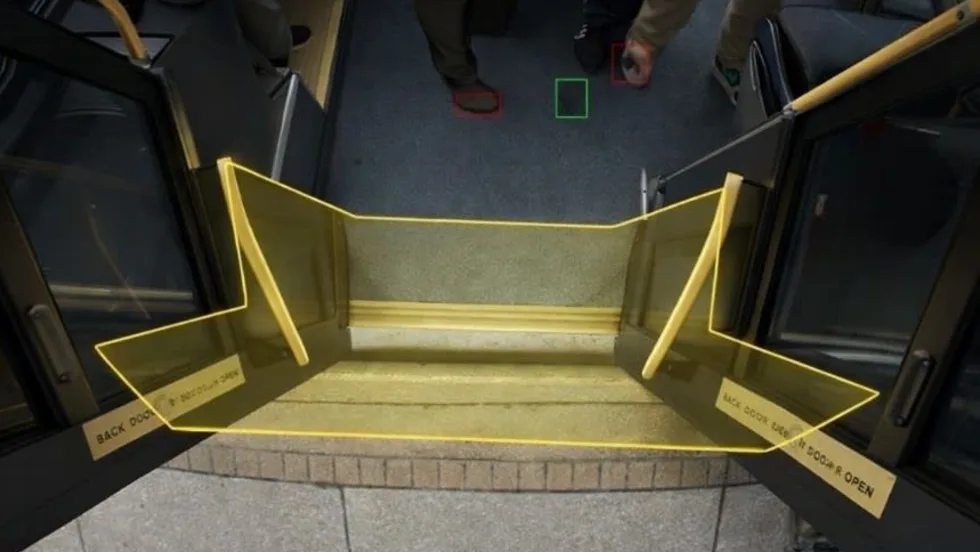
How VaporVision Adds Value to Transit Door Systems
Wabtec engineers explain how the system improves doorway detection, strengthens diagnostics and gives transit agencies and OEMs greater operating flexibility.
Read More →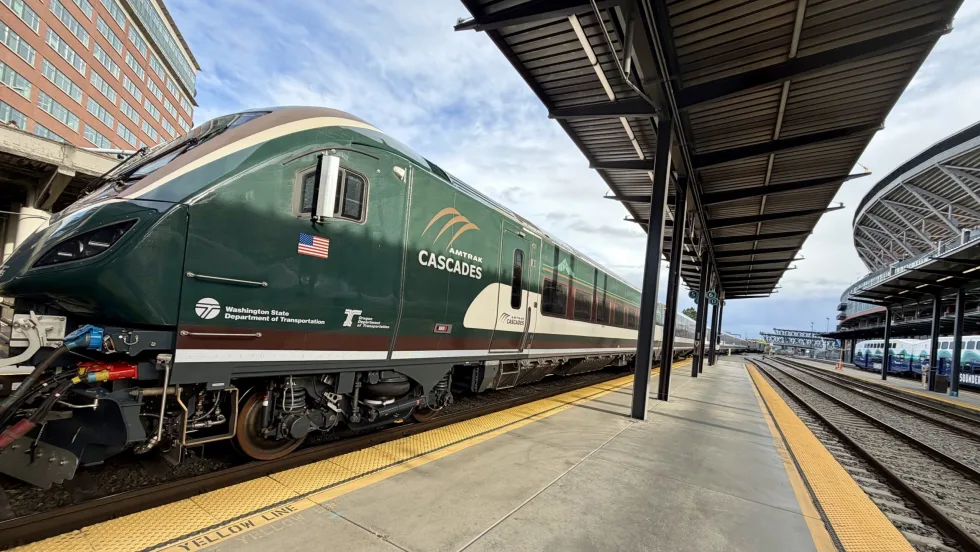
FRA Announces $5.3B in Rail Investments, Including $2B for Amtrak
Funding will support grade-crossing improvements, infrastructure upgrades, and new Amtrak equipment in 23 states.
Read More →
Chicago, Maryland Expand Non-Law-Enforcement Safety, Rider Support
The CTA and MTA are launching new programs aimed at de-escalation, crisis response, rider assistance, and greater transparency.
Read More →
LA Metro, City of West Hollywood, and Partners Advance Smarter Bus Lane Enforcement
The award-winning partnership combines AI-powered detection with human oversight to improve bus reliability, accessibility, and enforcement efficiency.
Read More →
LA Metro Reports 57% Decline in Homelessness on Transit System Since 2024
The agency's latest homelessness count offers new data on how care-based services and cross-sector partnerships can complement traditional transit security strategies.
Read More →
FTA Launches 'Transit Moves America' Dashboard to Highlight Agency Safety and Performance
The online dashboard transforms National Transit Database information into a public-facing resource that allows users to compare transit agencies on key operational and safety metrics.
Read More →