



Related: 8 Tips for Cleaning School Buses in the Age of Coronavirus
DATTCO Puts COVID-19 Cleaning Procedures in Place for Fleet
Clean Care Certified is a commitment to thorough cleaning; using technology to keep passengers safe; protective procedures; and creating confidence in riding the company’s vehicles.
by SBF Staff
July 2, 2020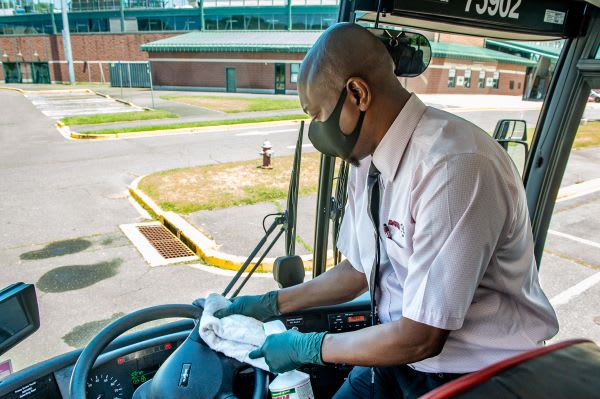
DATTCO's Clean Care Certified is a commitment to thorough cleaning; using technology to keep passengers safe; protective procedures; and creating confidence in riding the company’s vehicles.
Photo courtesy DATTCO
2 min to read
NEW BRITAIN, Conn. — Passenger transportation company DATTCO Inc. has put a new initiative in place to ensure a clean and safe return to travel for its passengers and employees.
The Clean Care Certified initiative is built on four pillars: a commitment to thorough cleaning; use of technology to keep passengers safe; protective procedures for employees and passengers; and creating confidence in riding the company’s vehicles, according to a news release from DATTCO.
As outlined in the initiative, DATTCO’s charter vehicles and those providing commuter, transit, scheduled casino, and contract shuttle services, will be thoroughly cleaned and disinfected using Environmental Protection Agency-registered cleaning products following Centers for Disease Control and Prevention (CDC) guidelines, and with electrostatic spray technology, before and after each trip. Additional attention will be given to high-touch areas periodically throughout the duration of trips.
DATTCO is working on a similar initiative specific to school buses and plans to release it soon.
DATTCO’s vehicles have always been equipped with state-of-the-art technology to keep clean air flowing into the vehicle and to remove potentially harmful particles, according to the company. HVAC systems filter recirculated air to remove respiratory droplets and bacteria, completely exchanging cabin air with fresh air every 10 minutes.
A series of new driver procedures have been put in place for their own protection as well as the protection of passengers. They cover baggage handling, passenger boarding, cleaning procedures during trips, and include wearing face masks at all times.
“We are working closely with customers to design an onboard experience that is appropriate for their group while maintaining a safe atmosphere for everyone,” said Denis Lyons, DATTCO’s vice president of Coach and Tour. “We hope the procedures we’ve put in place will assure our customers that it is safe to travel by motorcoach and they can feel confident about booking travel with us.”
Don DeVivo, DATTCO’s president, and American Bus Association’s (ABA’s) chairman of the board, serves as co-chair of an ABA task force comprised of industry leaders who recently developed a comprehensive set of sample policies to promote cleanliness and safety for post-pandemic travel aboard motorcoaches. DATTCO’s policies were born of this national recommendation.
“DATTCO has made, and will continue to make, significant investments in cleaning equipment and other protections to help ensure a safe environment,” DeVivo said. “As changes develop, we will continue to comply with guidance provided by industry experts, as well as the CDC, and local governments. We welcome our passengers back; we cannot wait to be back on the road with you.”
Originally posted on School Bus Fleet
More Security and Safety

Transit Agencies Highlight Safety Gains at National Summit
Leaders from 15 major transit systems shared crime-reduction results and safety initiatives while discussing the role of continued federal support.
Read More →
DART Launches Major Security, Fare Enforcement Initiative
The 90-day demonstration will deploy coordinated security teams at five light rail stations while testing controlled access and gathering data to guide future investments.
Read More →
RTD Launches NextRide App to Consolidate Trip Planning, Fares, Security Reporting
The app expands on RTD’s existing NextRide web application and allows customers to view real-time vehicle locations and service alerts, purchase and store digital fares, and access customer support.
Read More →

TAPTCO Updates OSHA Compliance Training for Transit Maintenance Operations
The revamped program addresses 26 OSHA standards for maintenance facilities, with TAPTCO pointing to training, documentation, and everyday shop hazards as continuing challenges for transit operations.
Read More →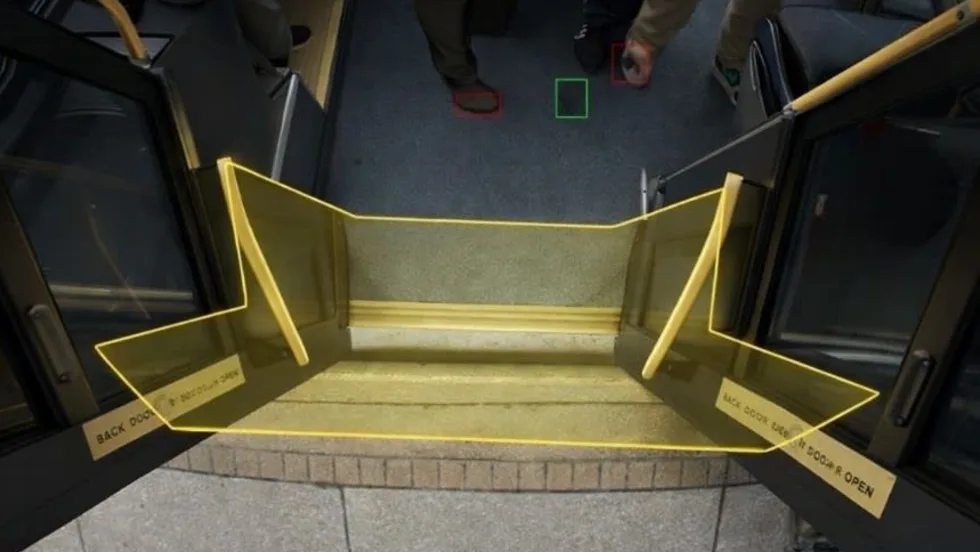
Sponsored•August 18, 2026
How VaporVision Adds Value to Transit Door Systems
Wabtec engineers explain how the system improves doorway detection, strengthens diagnostics and gives transit agencies and OEMs greater operating flexibility.
Read More →
FRA Announces $5.3B in Rail Investments, Including $2B for Amtrak
Funding will support grade-crossing improvements, infrastructure upgrades, and new Amtrak equipment in 23 states.
Read More →
Chicago, Maryland Expand Non-Law-Enforcement Safety, Rider Support
The CTA and MTA are launching new programs aimed at de-escalation, crisis response, rider assistance, and greater transparency.
Read More →
LA Metro, City of West Hollywood, and Partners Advance Smarter Bus Lane Enforcement
The award-winning partnership combines AI-powered detection with human oversight to improve bus reliability, accessibility, and enforcement efficiency.
Read More →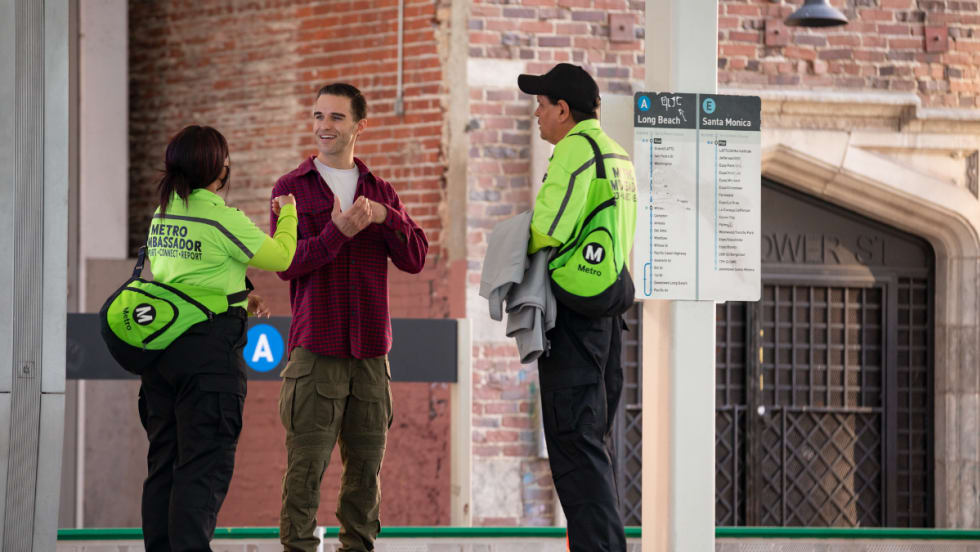
LA Metro Reports 57% Decline in Homelessness on Transit System Since 2024
The agency's latest homelessness count offers new data on how care-based services and cross-sector partnerships can complement traditional transit security strategies.
Read More →
FTA Launches 'Transit Moves America' Dashboard to Highlight Agency Safety and Performance
The online dashboard transforms National Transit Database information into a public-facing resource that allows users to compare transit agencies on key operational and safety metrics.
Read More →