



Deadline for small business loan extended
The deadline to file for The U.S. Small Business Administration's Economic Injury Disaster Loans was extended to April 22, 2002.

The deadline to file for The U.S. Small Business Administration's (SBA) Economic Injury Disaster Loans (EIDLs) was extended to April 22, 2002. The original deadline was today. "With this deadline extension, more small business owners can get the help they need to get back on their feet," said SBA Administrator Hector V. Barreto. "America's economic well-being relies on the health of small business, and this program will contribute greatly to the economy's revival." The EIDLs are available to eligible small businesses that suffered substantial economic injury as a direct result of the September terrorist attacks or a federal action taken as a result of the attacks. EIDLs provide eligible small businesses with the working capital needed to pay ordinary and necessary operating expenses that they would have been able to pay had the disaster not occurred. Expenses include fixed debts, payroll, accounts payable and other bills. Small businesses may apply for a working capital loan of up to $1.5 million. The interest rate on the loans is 4%, with a maximum term of 30 years. The SBA determines the amount of economic injury, the term of each loan and the payment amount, based on the financial circumstances of each borrower. Businesses interested in applying for a loan can contact one of the four SBA disaster offices to obtain an application. Offices are located in New York, Georgia, Texas and California. Since the expanded EIDL program began on October 22, the SBA has approved $94 million in loans to small businesses nationwide. Since September 11, the SBA has made $233 million in loans in the disaster areas surrounding New York City and Virginia. For more on the EIDL, click on www.sba.gov/disaster.
More Management
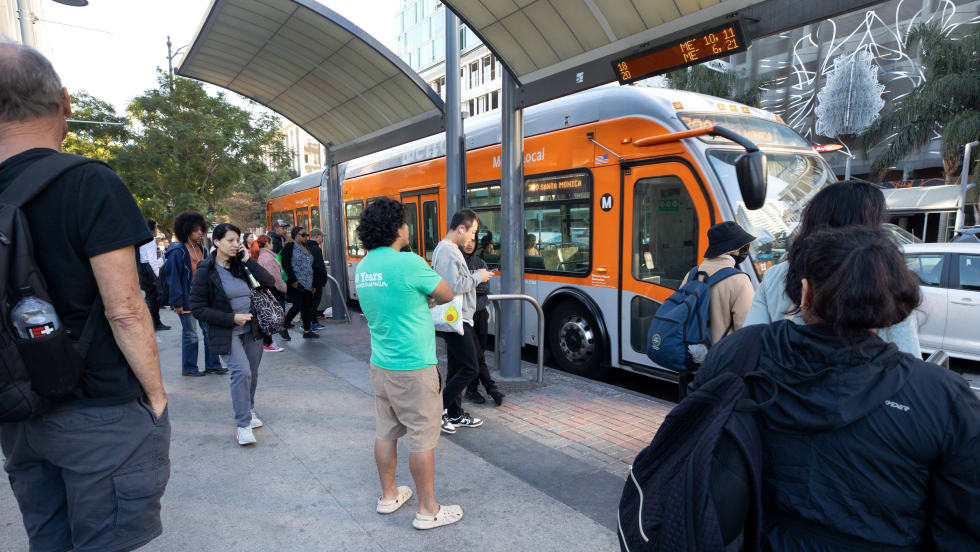
LA Metro Ridership Continues Growth as Rail Gains Accelerate
New rail connections and major events help drive continued ridership gains, with Metro recording its eighth consecutive month of year-over-year rail growth.
Read More →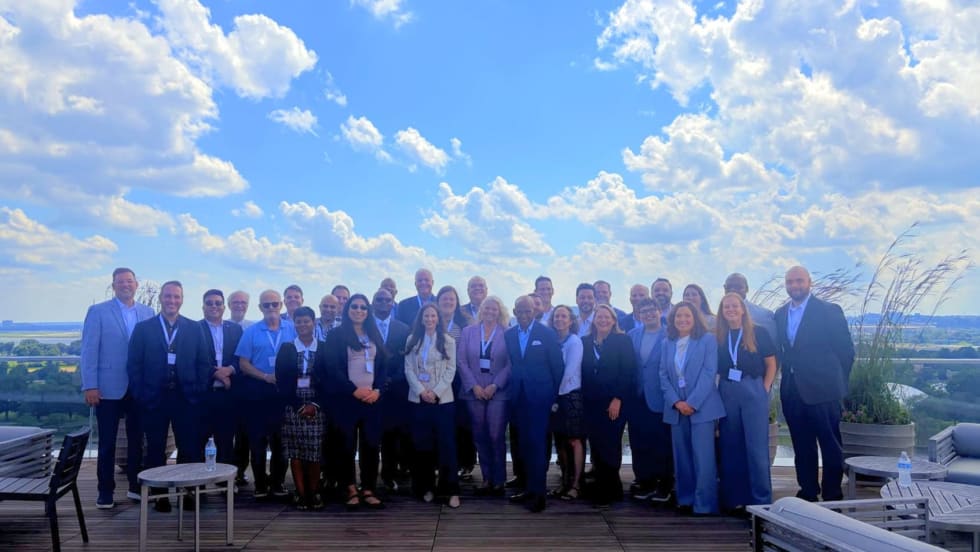
TransDASH Summit Focuses on Measuring What Matters in Transit
Transit agencies unveil a national performance platform designed to benchmark customer experience, safety, community value, and other outcomes.
Read More →
Jacksonville’s NAVI Project Charts a New Course for Autonomous Public Transportation
Through its NAVI program, JTA is showing how autonomous vehicles, intelligent infrastructure, and coordinated operations can work together to deliver everyday public transportation.
Read More →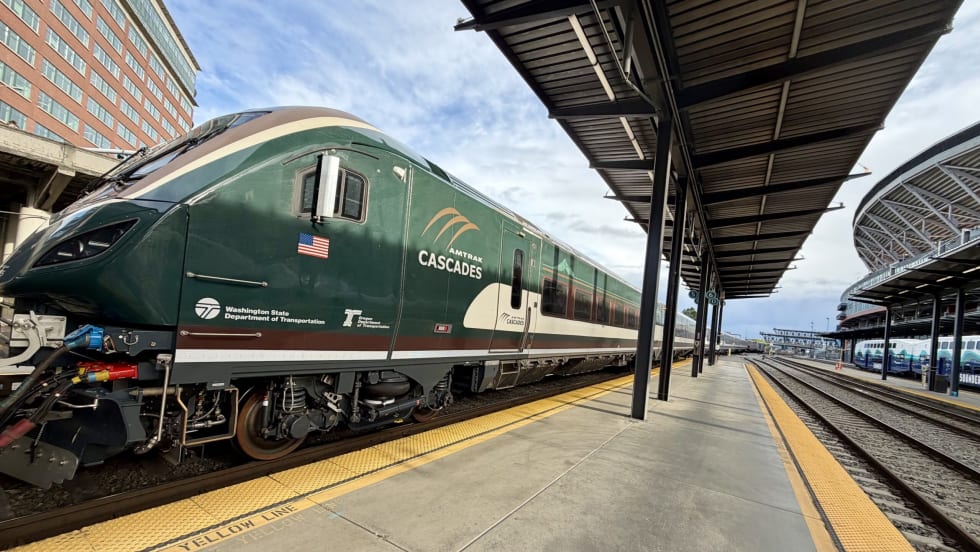
FRA Announces $5.3B in Rail Investments, Including $2B for Amtrak
Funding will support grade-crossing improvements, infrastructure upgrades, and new Amtrak equipment in 23 states.
Read More →
Finding the ‘Happy Medium’: Optimizing Maintenance Without Sacrificing Reliability
The key to maintenance optimization isn’t doing less work—it’s doing the right work at the right time on the right assets.
Read More →
People Movement: MARTA Drops Interim Tag on GM/CEO Hunt and More
In this edition, METRO covers recent appointments and announcements at the FMCSA, HDR, SilverRide, and more, showcasing the individuals helping to shape the future of transportation.
Read More →
VIA Metropolitan Transit Reports 2 Million More Passenger Trips as Better Bus Plan Gains Momentum
San Antonio's transit agency said accelerated service improvements are driving ridership growth, offering another example of how increased frequency and workforce investments can translate into stronger transit performance.
Read More →
ABAF Study Reveals Growing Insurance Crisis for Motorcoach Operators
Preliminary findings show 98% of operators faced premium increases over the past five years, while shrinking insurer participation is putting added pressure on businesses and customers.
Read More →
PSTA Modernizes Workforce Management with Digital Bidding System
The award-winning Workforce Transit Modernization project replaced paper bidding with a transparent digital platform, cutting administrative effort while improving access for operators.
Read More →
Chicago to Host Public Transportation's Biggest Gathering at APTA TRANSform & EXPO 2026
North America’s largest public transportation gathering returns to Chicago, connecting transit decision-makers with the technologies, ideas, and partnerships driving the industry forward.
Read More →