



Denver RTD holds town hall meetings via telephone
Through the town hall series, RTD will randomly call more than 400,000 people through innovative telephone technology and invite them to participate in the telephone forum. This allows board members to reach out and speak directly with members of the community.


RTD Director Tom Tobiassen, who represents District F, and Dave Genova, RTD Assistant General Manager of Safety, Security and Facilities, host one of RTD's first telephone town hall meetings. Photo courtesy Denver RTD.
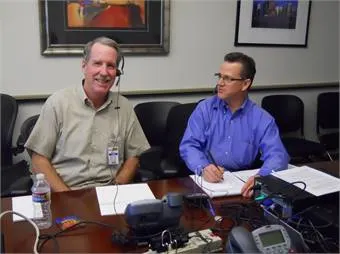
RTD Director Tom Tobiassen, who represents District F, and Dave Genova, RTD Assistant General Manager of Safety, Security and Facilities, host one of RTD's first telephone town hall meetings. Photo courtesy Denver RTD.
Denver's Regional Transportation District (RTD) started a new way of reaching out to the public through telephone town hall meetings. RTD Directors Bill McMullen and Tom Tobiassen each called residents of their districts to talk about RTD’s programs, services and projects.
The first two telephone town halls of a 15-meeting series occurred Monday evening, with residents of the two districts participating to learn about local bus and rail service, RTD’s FasTracks transit expansion program and other projects under way. Through the town hall series, RTD will randomly call more than 400,000 people, through innovative telephone technology, and invite them to participate in the telephone forum. This allows board members to reach out and speak directly with members of the community.
”I was very impressed with the number of residents of my district who joined us for last night’s update,” said RTD District E DirectorBill McMullen. “We were able to engage in one-on-one conversations and answer questions for far more people than we have with traditional public meetings.”
During McMullen’s meeting, when participants were asked through an automatic polling option through their key pad what the biggest benefit of building out the FasTracks program is, 37% said more rail transit will provide more ways to get around, with 33% saying it will reduce traffic congestion.
When the same question was asked during Tom Tobiassen’s meeting, 39% said FasTracks will reduce traffic congestion and 31% said it’ll provide more ways to get around.
“This is a perfect example of how technology can be used to bring people together,” said RTD District F Director Tobiassen . “Allowing people to be engaged in what’s going on in their community from the comfort of their homes, whether that be through telephone or Internet technology, is the wave of the present and the future, and we need to do all we can to reach out in these ways.”
The meeting series will continue through Dec. 15.
FasTracks is RTD’s voter-approved transit program to expand rail and bus service throughout the RTD service area. It will build 122 miles of commuter rail and light rail, 18 miles of bus rapid transit service, add 21,000 new parking spaces, redevelop Denver Union Station and redirect bus service to better connect the eight-county District.
More Management
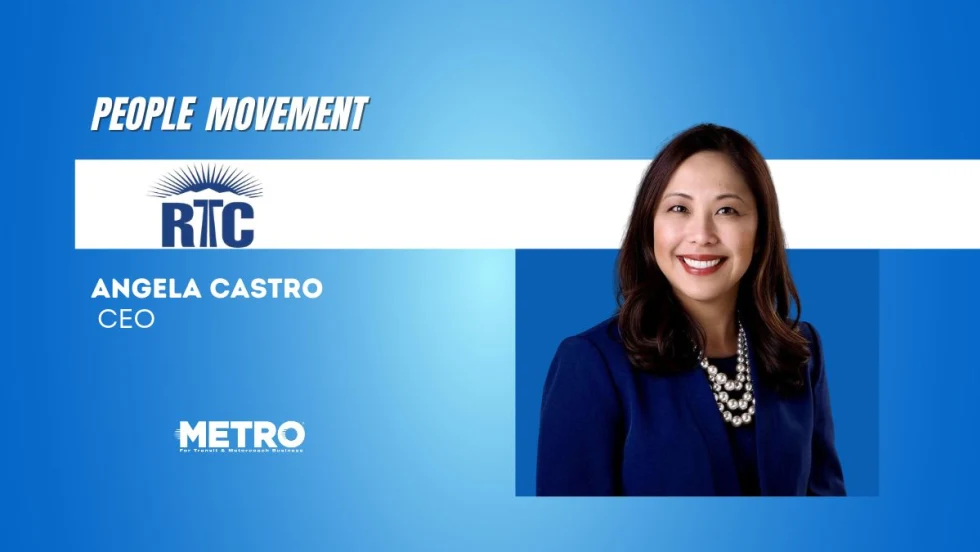
Castro to Lead RTC of Southern Nevada and More in People Movement
In this edition, we also cover recent appointments and announcements at the STV, MCI, and more, showcasing the individuals helping to shape the future of transportation.
Read More →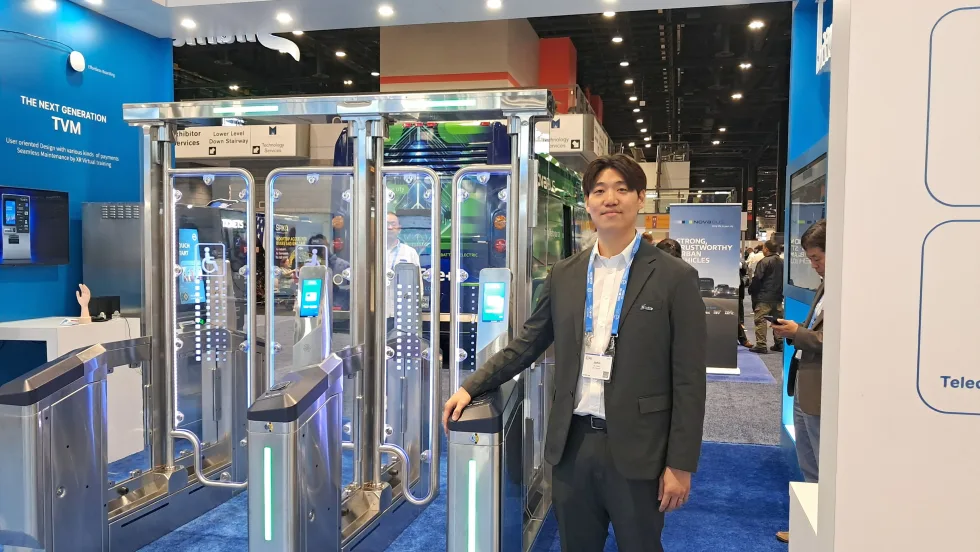
STraffic Expands North American Presence with Fare Collection Technology
John Moon, Associate Director, Product Strategy at STraffic, discusses the company's growth in North America, its efforts to reduce fare evasion, and more.
Read More →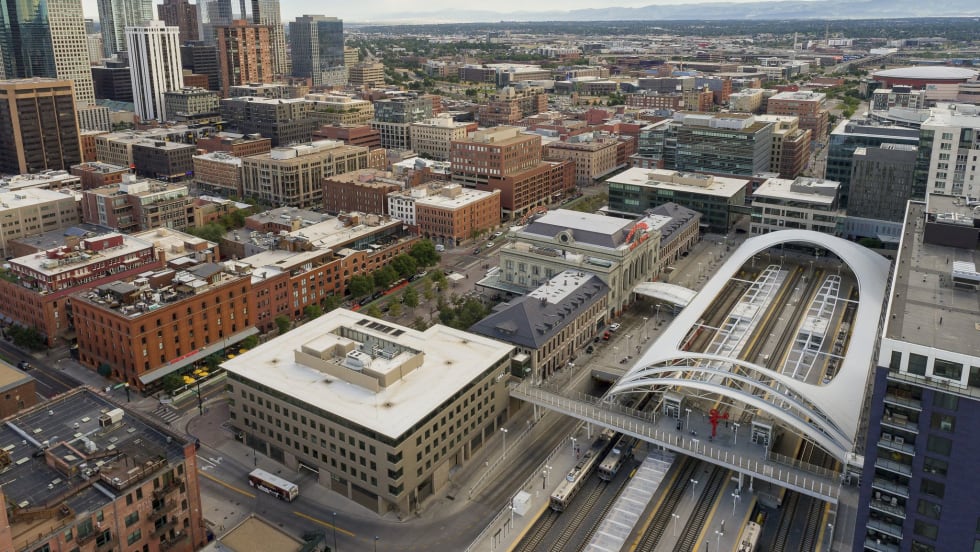
Study: Denver RTD Generates $2.1 Billion in Annual Economic Activity
An economic impact study finds the agency supports approximately 17,500 jobs, delivers $1.6 billion in annual community and mobility benefits, and generates $2.42 in economic value for every dollar invested.
Read More →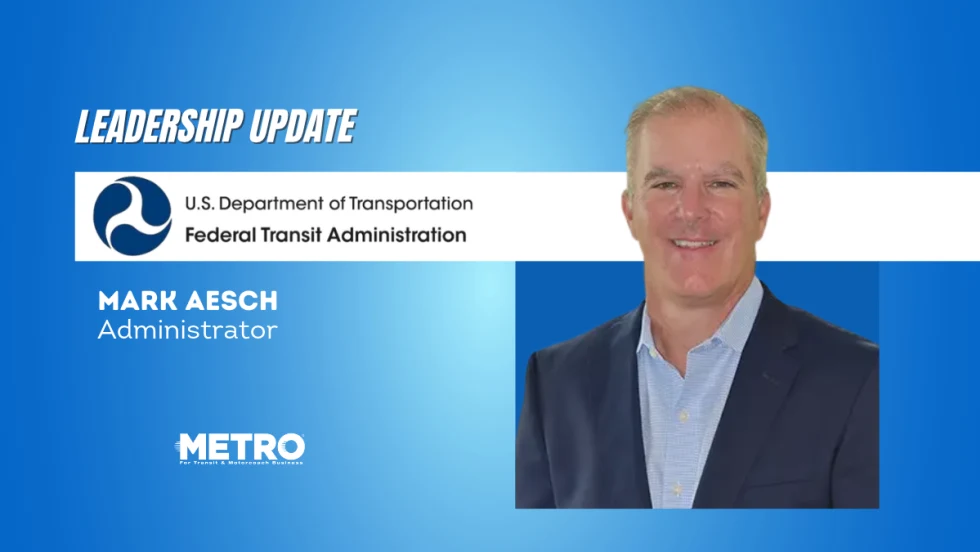
Mark Aesch Nominated to Lead Federal Transit Administration
The former Rochester transit chief and TransPro founder, who has also contributed to METRO Magazine, brings decades of industry experience and a focus on performance, accountability, and financial sustainability to the nomination.
Read More →
Best and Worst U.S. Cities for Public Transportation in 2026
A new analysis of 50 major U.S. urban areas ranks public transit systems based on accessibility, affordability, usefulness, and safety, highlighting where transit performs best and where challenges remain.
Read More →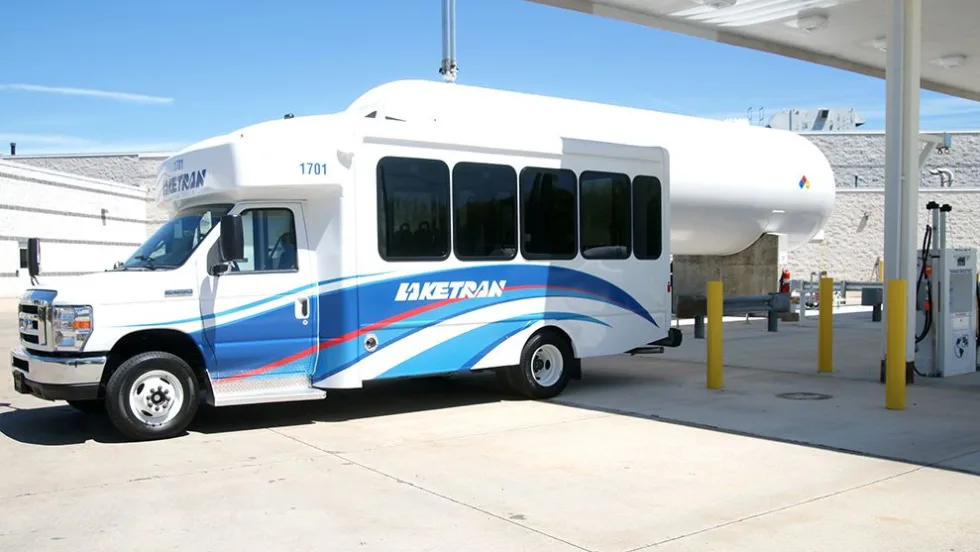
Laketran Cuts Fuel Costs, Boosts Efficiency with Propane-Powered Fleet
The Ohio transit agency is using propane-powered vehicles and on-site fueling infrastructure to cut fuel and maintenance costs while meeting growing demand for paratransit services.
Read More →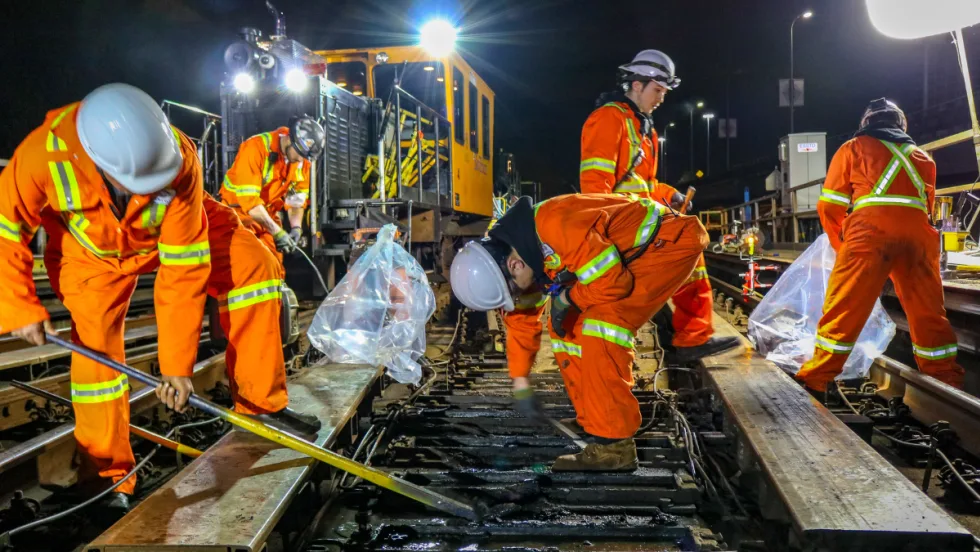
Canada’s Public Transit Supports $65.6 Billion in Annual GDP
New research from the Canadian Chamber of Commerce examines transit's economic contributions, including job creation and the financial implications of transportation investment.
Read More →
Pierce Transit Moves to Expand Fleet Following Proposition 1 Approval
The agency authorized the purchase or refurbishment of up to 60 buses to support a 47% service expansion, as voters nationwide approved billions in new transit funding.
Read More →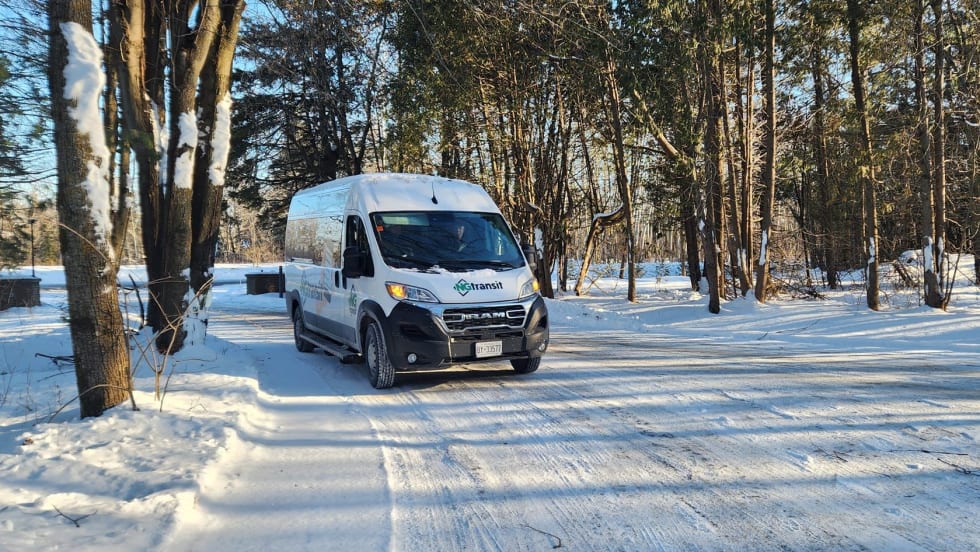
Right-Sizing Rural Transit: Lessons from North Grenville’s On-Demand Model
A small municipality shows how flexible service, rider needs, and public accountability can expand mobility with limited resources.
Read More →
Transit Ballot Victories Signal Strong Voter Support: What Comes Next?
Voters approved billions in public transportation investments in 2026, giving agencies opportunities to preserve service, expand operations, and strengthen regional connections amid a changing political landscape.
Read More →