




Related: BYD Passes Altoona Testing, Set to Make Big Leap into Market
Denver RTD to purchase 36 new BYD electric buses for mall service
The new shuttles are completely electric powered, so they will be highly energy-efficient and produce zero point-of-source emissions. Over a 12-year lifespan, the 45-foot buses will save nearly $100,000 in energy consumption per bus when compared to similar vehicles powered by other fuel sources. This will total millions of dollars saved fleetwide.
August 25, 2015
2 min to read
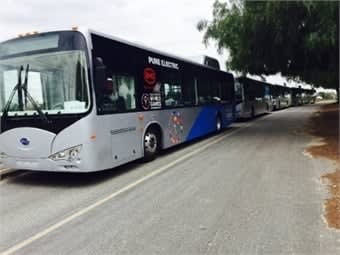
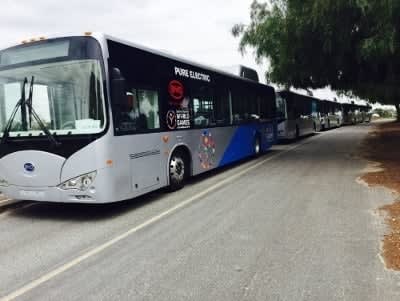
Denver’s Regional Transportation District (RTD) board of directors approved the purchase of 36 new BYD Motors Inc. electric shuttles for the 16th Street MallRide, a free service used by tens of thousands of downtown commuters and visitors every day, RTD’s single busiest bus route.
The new mall shuttles are completely electric powered, so they will be highly energy-efficient and produce zero point-of-source emissions. Over a 12-year lifespan, the 45-foot buses will save nearly $100,000 in energy consumption per bus when compared to similar vehicles powered by other fuel sources. This will total millions of dollars saved fleetwide.
“The current shuttles have been in operation for over fourteen years and it is time to replace our aging fleet to continue providing high-quality service to our riders,” said RTD Interim GM/CEO Dave Genova. “The new shuttles will provide the most advanced and clean-energy technology to help the environment while meeting the unique needs of vehicle operation on the busy 16th Street Mall.”
Because the new shuttles will operate in a pedestrian environment, they will offer unique features setting them apart from other RTD vehicles. As with the existing mall shuttles, the operator cabin will be located on the right hand side of the new buses. Floors will be low and flat, and the vehicles will have as many as four wide doors for easy and quick boarding. In addition, air conditioning will provide passengers with a more comfortable ride on summer days.
The cost of RTD’s new MallRide fleet will not exceed $27.1 million, with BYD manufacturing the battery-powered vehicles in China and assemble them in California to meet safety standards and Buy America requirements.
More Technology
Almaviva Looks to Open Architecture to Advance Transit Technology
Eric Reese discusses how interoperability, open architecture, and modular design can help transit agencies control costs, reduce vendor lock-in, and upgrade technology without starting over.
Read More →
Driving Smarter Paratransit
John Hanlon shares how AlphaRoute is leveraging AI-powered technology to help paratransit providers optimize operations, support frontline staff, and enhance the rider experience.
Read More →
From Hardware to Digital Partner: Luminator Charts Its Next Chapter
CEO Magnus Friberg discusses Luminator’s shift toward becoming a digital partner, the growing importance of software and interoperability, and how AI can help agencies improve operations and passenger experience.
Read More →

Beyond the Checklist: A Structured Approach to Transit Maintenance
Reliability-Centered Maintenance helps transit agencies move beyond routine checklists to focus limited resources on the assets and failures that have the greatest impact on safety, reliability, and service.
Read More →
NJ TRANSIT Advances Bus Technology Upgrades Across Statewide Fleet
More than 1,500 buses now feature upgraded technology designed to improve arrival predictions and provide free Wi-Fi, with deployment expected to reach nearly 2,000 buses by the end of 2026.
Read More →
Building a Flexible Path to Transit Electrification
John Hroncich discusses BAE Systems’ modular and scalable approach, lessons learned from decades of real-world operations, and how agencies can identify electrification strategies that fit their fleets.
Read More →
Biz Briefs: Alstom Lands Canadian Contract, LYT to Supply California TSP, and More
In METRO's latest installment, we take a look at recent news from Complete Coach Works, Beep, FlixBus, and more partnerships making headlines across the transportation sector.
Read More →
Sponsored•September 8, 2026
From Legacy Silos to Conversational Intelligence
What if transit leaders could ask any operational question and get a trusted answer in seconds? Conversational AI is transforming how agencies use their data.
Read More →
USDOT Announces Rail Vehicle Replacement Grants, Chattanooga AV Shuttle Funding
More than $191 million in federal funding will help three transit agencies replace aging rail vehicles and support a new autonomous shuttle service in Chattanooga.
Read More →
Bus Tech Talk: Keeping Transit Technicians Ahead of the Technology Curve
LA Metro’s Obed Mejia discusses technician training, evolving maintenance technology, fleet replacement, and strategies for getting the most out of today’s transit fleets.
Read More →