




More News: WMATA Implements Policy to Ban Violent Offenders and Other Serious Criminals
Denver's Regional Transportation District Reveals 2024 Safety Metrics
Denver’s RTD reported their 2024 safety metrics, which show improvements across the board. They will continue to implement programs to further improve safety in their transit network.
April 2, 2025
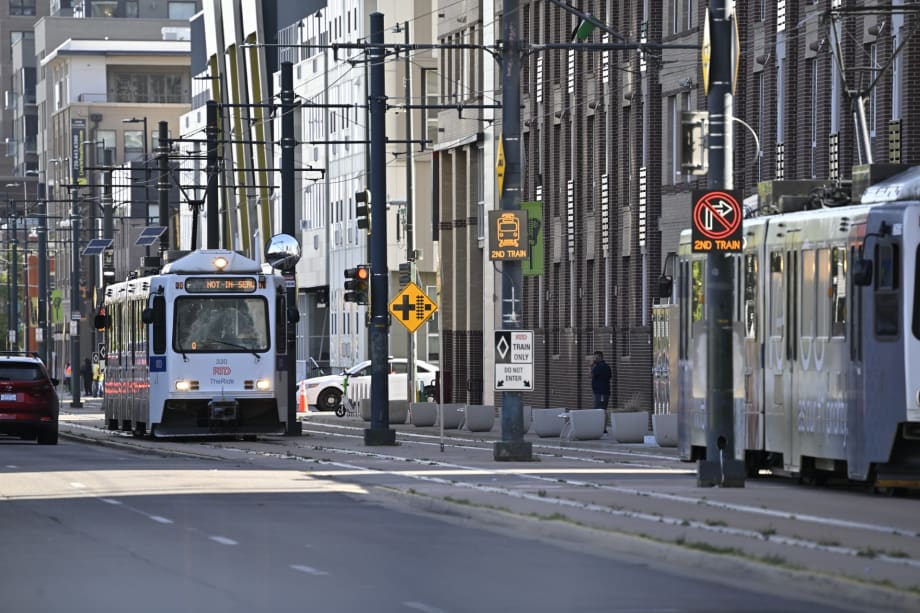
RTD enhancements like the Welton Street Safety Improvements project provide a proactive safety framework for the city.
Photo: Denver RTD
3 min to read
Denver’s Regional Transportation District (RTD) recently reported several year-over-year improvements and incident decreases through its annual safety metrics provided to the federal government.
In 2024, the agency saw improvements in the number of light rail events, a decrease in commuter rail trespassers, a slight improvement in the overall number of on-the-job injuries and adopted a Vision Zero resolution.
Additionally, all established bus and light rail targets for minimizing fatalities across the system were met, reflecting a commitment to high-level safety standards.
Building a Safety Framework Pays Off
Enhancements made last year to establish a proactive safety framework, such as the Welton Street Safety Improvements project, were credited for the improvements. New train-related roadway signs and upgraded train warning signals, or blank-out sights, were added to warn better motorists of trains approaching the intersection.
Other 2024 safety improvements included increasing employee training, bolstering internal and external safety communications, and strategies implemented for hazard mitigation.
“Safety is paramount and is inherent in all RTD does,” General Manager and CEO Debra A. Johnson said. “The agency’s commitment to operational safety ensures RTD employees are provided an optimal work environment, and customers can confidently use mobility services to reach their destination. The metrics not only highlight year-over-year improvements and successes but allow RTD staff to note areas that require additional enhancements and mitigation strategies.”
Light rail’s preventable accident rate per 100,000 miles of revenue service decreased to 0.08 in 2024, a 33.3% year-over-year drop compared to 2023. This exceeds RTD’s target of fewer than one incident per 100,000 miles and marks a significant achievement in rail safety.
Keeping Operators Prepared
RTD utilizes a light rail simulator to help prepare operators for handling multiple situations they may experience in the field. All light rail operators must spend time in the simulator as part of the agency’s focus on safety and employee training.
Trespasser incidents on commuter rail decreased in 2024. In 2023, 423 commuter rail trespassers were recorded, compared to only 399 in 2024. RTD attributes the decrease to expanded community outreach efforts and enhanced safety messaging along the corridors.
Raising Awareness About Safety
RTD partnered with Operation Lifesaver to conduct outreach in communities near commuter rail corridors to reduce the number of potential trespassers. By hosting pop-up events at rail stations and employment centers, the agency could directly engage with customers and individuals living and working near railroad tracks.
A safety video and other materials were also produced in English and Spanish to support the community engagement efforts and an online safety campaign.
In accordance with the Federal Transit Administration's new reporting requirements for transit worker assaults, RTD reported 182 physical assaults and 314 non-physical assaults in 2024. While non-physical assaults were up from 2023, the new reporting requirements can account for this.
“While an increase in reportable events like non-physical assaults may seem negative at first glance, it actually reflects progress made to create a stronger safety culture,” Angel Peña, deputy chief executive officer said. “Employees are reporting more incidents, which indicates the effectiveness of ongoing training, open dialogue, and a trust developed between frontline staff and the agency’s safety and operations teams. This culture of transparency is precisely what we aim for, as it allows us to act earlier and prevent incidents from occurring again in the future.”
RTD also increased the presence of Transit Police officers, which positively impacted employee safety and created a more welcoming transit environment for customers. Bus operator shield barriers and live look-in cameras were also installed on all RTD buses in 2024, enhancing safety and reducing the number of assaults.
RTD’s board of directors adopted a resolution to eliminate transit-related fatalities and injuries. Utilizing Vision Zero, RTD will collaborate with city planners, community organizations, and local governments to develop and implement strategies and infrastructure improvements beyond the agency’s transit network.
More Security and Safety

Transit Agencies Highlight Safety Gains at National Summit
Leaders from 15 major transit systems shared crime-reduction results and safety initiatives while discussing the role of continued federal support.
Read More →
DART Launches Major Security, Fare Enforcement Initiative
The 90-day demonstration will deploy coordinated security teams at five light rail stations while testing controlled access and gathering data to guide future investments.
Read More →
RTD Launches NextRide App to Consolidate Trip Planning, Fares, Security Reporting
The app expands on RTD’s existing NextRide web application and allows customers to view real-time vehicle locations and service alerts, purchase and store digital fares, and access customer support.
Read More →
TAPTCO Updates OSHA Compliance Training for Transit Maintenance Operations
The revamped program addresses 26 OSHA standards for maintenance facilities, with TAPTCO pointing to training, documentation, and everyday shop hazards as continuing challenges for transit operations.
Read More →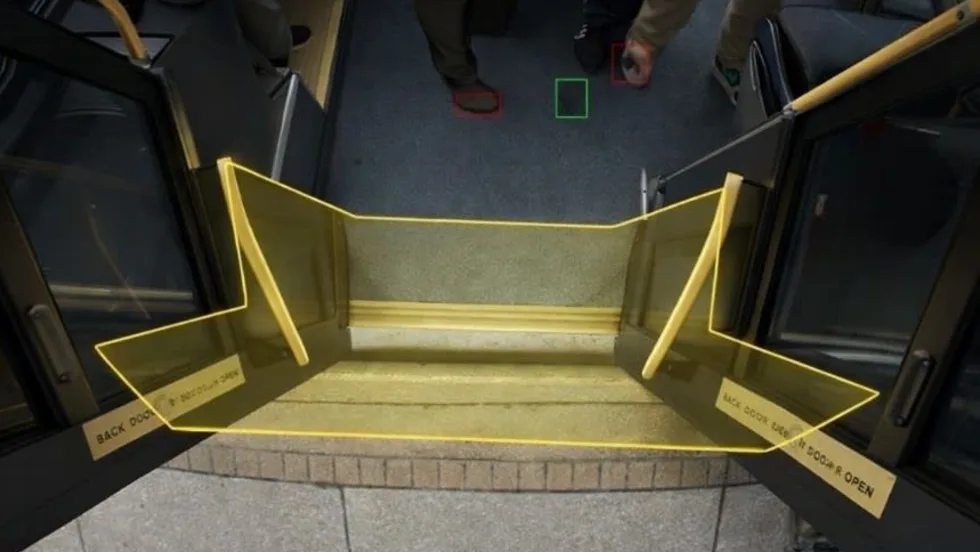
Sponsored•August 18, 2026
How VaporVision Adds Value to Transit Door Systems
Wabtec engineers explain how the system improves doorway detection, strengthens diagnostics and gives transit agencies and OEMs greater operating flexibility.
Read More →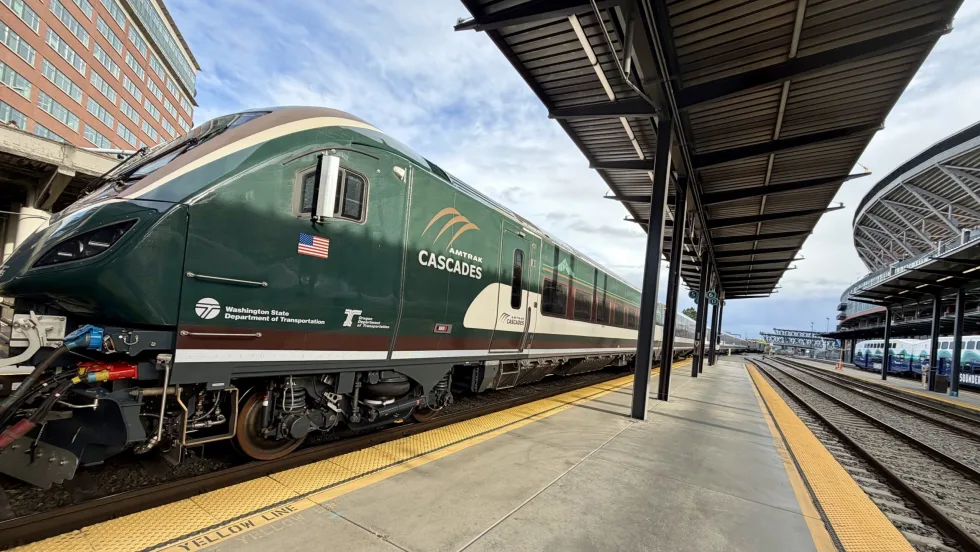
FRA Announces $5.3B in Rail Investments, Including $2B for Amtrak
Funding will support grade-crossing improvements, infrastructure upgrades, and new Amtrak equipment in 23 states.
Read More →
Chicago, Maryland Expand Non-Law-Enforcement Safety, Rider Support
The CTA and MTA are launching new programs aimed at de-escalation, crisis response, rider assistance, and greater transparency.
Read More →
LA Metro, City of West Hollywood, and Partners Advance Smarter Bus Lane Enforcement
The award-winning partnership combines AI-powered detection with human oversight to improve bus reliability, accessibility, and enforcement efficiency.
Read More →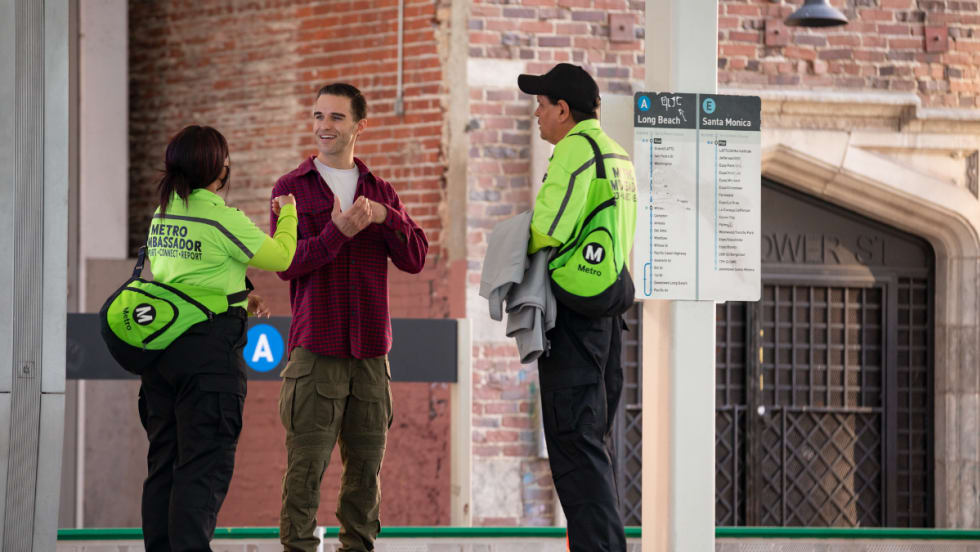
LA Metro Reports 57% Decline in Homelessness on Transit System Since 2024
The agency's latest homelessness count offers new data on how care-based services and cross-sector partnerships can complement traditional transit security strategies.
Read More →
FTA Launches 'Transit Moves America' Dashboard to Highlight Agency Safety and Performance
The online dashboard transforms National Transit Database information into a public-facing resource that allows users to compare transit agencies on key operational and safety metrics.
Read More →