




Read More: L.A.'s Foothill Gold Line Completed
Denver RTD Celebrates Top 10 Accomplishments from 2024
The Denver Regional Transportation District focused on lower fares, improving infrastructure, and boosting safety and security during 2024.
January 6, 2025
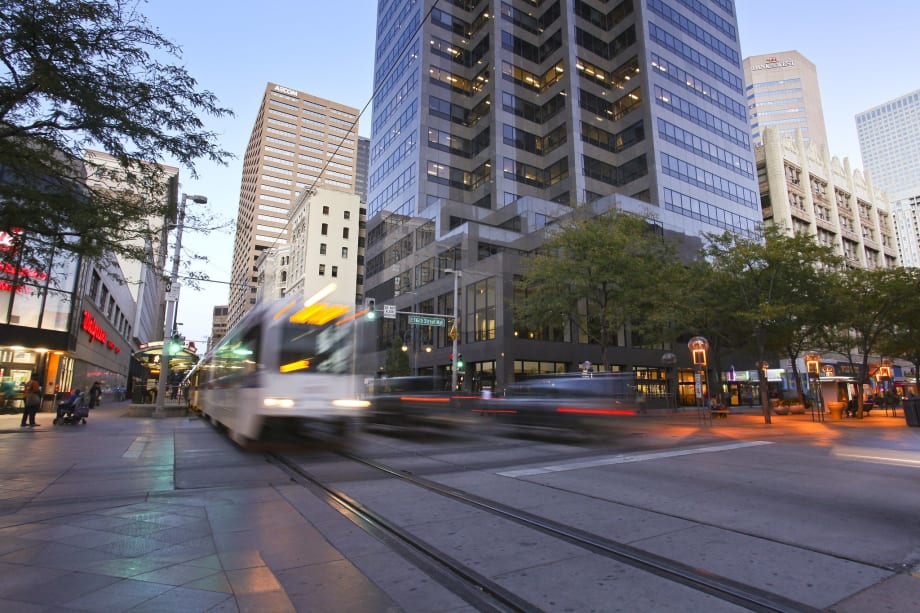
The Denver RTD looks to continue building upon successful 2024 projects as they move into 2025.
Photo: Denver RTD
5 min to read
The Denver Regional Transportation District (RTD) marked many first-time milestones and accomplishments in 2024 that were focused on enhancing the customer experience, improving infrastructure, increasing employee safety, and managing financial resources. With the new year, RTD is beginning to put plans into action for 2025 and reflecting on their top 10 accomplishments from 2024.
“Last year brought a long list of achievements and first-time accomplishments for RTD,” said General Manager and CEO Debra A. Johnson. “Each success was a result of the agency’s dedicated employees, its Board of Directors, and the many community partners and stakeholders who leaned in. While we are taking this moment to celebrate 2024, the agency is focused on further enhancing transit service delivery and fostering a welcoming transit environment for its employees and customers.”
Top 10 Accomplishments in 2024
New Fare Structure: RTD lowered their fares for all services systemwide on January 1. The change was a result of a months-long systemwide fare study and equity analysis that was aimed at creating a fare structure that was more equitable, affordable, and easier for customers to understand. This is the first time in the history of RTD that the agency has lowered their fares.
Downtown Rail Reconstruction Project: RTD commenced a multi-phased project in early June to reconstruct light rail track in downtown Denver to protect the integrity of the agency’s rail infrastructure. The first phase of the reconstruction project focused on five intersections in Denver’s Downtown Loop, which is part of the agency’s original light rail line. The first phase was completed ahead of schedule.
Zero Fare for Youth: RTD permanently implemented its Zero Fare for Youth program in September. The program allows youth 19 and under to use all RTD services at no cost. RTD received positive feedback from many schools about the program’s impact in reducing truancy during the pilot, causing school districts, youth organizations, and customers across the entire Denver metro area to support the program. Th Colorado legislature also passed a bill in May 2024 to appropriate up to $5 million to RTD to continue the Zero Fare for Youth program.
Police Department Growth and 24/7 Patrols: RTD-PD began providing a 24/7 patrolling model in May to enhance personal safety and security of RTD’s frontline employees and customers. The overnight team focuses on areas where greater safety efforts are needed for bus and rail operators, such as when employees begin their morning shifts at Denver Union Station. In 2024, RTD’s police force also increased from 50 POST-certified officers in January to 87 officers in December. Three additional K-9 units were also acquired by the agency to allow for daily K-9 coverage.
Live Look-In Cameras and Bus Operator Barriers: RTD increased its efforts to support a welcoming transit environment for customers and employees by adding live look-in cameras on buses and trains. The project to enhance operator and customer security has been completed across RTD’s entire fleet, and cameras are currently being installed in light rail vehicles. The look-in system enables RTD’s public safety dispatchers to view and hear individuals, stations, and events occurring in real time. Enhanced bus safety shields were also installed in 720 of RTD’s buses. The barriers are engineered to withstand blunt force objects and provide an additional layer of protection for operators.
Customer Experience Elevator Program: In March RTD launched its Customer Experience Elevator Pilot Program at three high-usage light rail stations. Following a successful 90 day pilot at Colorado, Nine Mile, and Southmoore stations, the program was expanded to six locations with additional stations planned in the operational adjustment in 2025. The program entails reprogramming elevator doors to remain at rest in the open position to deter criminal or unwanted activities from occurring inside the elevators.
Transit Assistance Grant (TAG): In January RTD launched a first-time program to provide grants to qualified non-profit organizations and governmental entities that serve clients with immediate transit needs. The grants were provided in the form of RTD fares, and $1 million was set aside for the TAG program. 181 Denver metro area organizations were able to serve more than 55,000 individuals with immediate transit needs in 2024. The assistance program continues, and applications are currently open.
Impact Team: the Impact Team pilot program began in May and included 45 employee volunteer ambassadors dispatched to RTD’s bus stops and rail stations. The focus of the program was to assist customers during peak service times, planned and unplanned service disruptions, and large events. During the four month pilot, 61 assignments were completed, more than 7,5000 customers were directly assisted, and 232 hours of service were provided. The program is now a permanent addition to the agency’s customer-facing support services.
50 Million A Line Customers and 30 Years of Light Rail: In partnership with Denver Transit Partners (DTP and Denver Transit Operators (DTO), RTD reached the milestone of transporting 50 million customers on the A Line in July. In October the agency celebrated 30 years of providing light rail service in the Denver metro area. Light rail service began in October 1994 with 5.3 miles of track connecting 30th Avenue and Downing Street to I-25 and Broadway. Today, light rail operates on more than 60 miles of track across the region.
$150 Million Federal Transit Administration Funding for Colfax Bus Rapid Transit: RTD is working with the cities of Denver and Aurora to implement the East Colfax Bus Rapid Transit project and deliver safer, faster, and more efficient service along the approximately 10-mile Colfax Avenue corridor that extends from Denver to Colfax Station near I-225 in Aurora.
Looking to 2025
In 2025, RTD will resume its multi-phased downtown rail reconstruction project, continue its Transit Police Department expansion, and prepare for the launch of an updated comprehensive operational analysis to set new standards for transit services in the future.
Additionally, RTD has established a new Customer and Community Connections Strategic Initiative to foster community building and enrich the customer experience. As part of the new initiative’s implementation, RTD will bolster its on-location, in-person customer service operations, develop customer experience standards, and improve and modernize its mobile applications.
More Management

METRO Opens Submissions for 2026 Motorcoach Awards
Nominations are now being accepted for METRO Magazine’s Operator of the Year and Innovative Operator of the Year awards.
Read More →
New York MTA Advances Final Contract for Second Avenue Subway Expansion
Contract Four is the largest in the Second Avenue Subway Phase 2 project and includes construction of station infrastructure, tracks, and signals for the subway expansion, MTA officials said. Work on Contract Four will begin in 2027.
Read More →
Transit Agencies Highlight Safety Gains at National Summit
Leaders from 15 major transit systems shared crime-reduction results and safety initiatives while discussing the role of continued federal support.
Read More →

NITA Names New Leadership, Expands Reduced-Fare Program at First Board Meeting
The new regional transit authority appointed its first board chair and interim executive director while extending reduced fares across CTA, Metra, and Pace for eligible riders.
Read More →
Beyond the Checklist: A Structured Approach to Transit Maintenance
Reliability-Centered Maintenance helps transit agencies move beyond routine checklists to focus limited resources on the assets and failures that have the greatest impact on safety, reliability, and service.
Read More →
APTA 2026 Nominating Committee Selects Leadership Slate, Names Chair and Vice Chair Nominees
Leadership changes will help shape the association’s priorities and its representation of the transportation industry during the 2026–2027 term.
Read More →
DART Launches Major Security, Fare Enforcement Initiative
The 90-day demonstration will deploy coordinated security teams at five light rail stations while testing controlled access and gathering data to guide future investments.
Read More →
Sponsored•September 9, 2026
Advancing Fare Collection Through Technology and Innovation
Learn about delivering 1300 gates at 91 stations while managing fare evasion. Explore the large scale deployment, solution customization and real-world results that affect the region. Prepare for deployment in your region now.
Read More →
Game Day in Motion: Moving Millions During the 2026 World Cup
Between packed transit stations and team motorcoaches, see how agencies and operators across North America tackled the transportation demands of the 2026 FIFA World Cup.
Read More →
Surface Transportation Extension Averts Shutdown, Leaves Transit Funding Gap
The stopgap keeps federal transportation programs moving, but missing advance funding could complicate the transit and rail projects agencies are planning next.
Read More →