



WMATA Implements Policy to Ban Violent Offenders and Other Serious Criminals
The purpose of the banning policy is to prohibit a person who commits a sex or sex-related crime or any assault on a WMATA employee, contractor, or customer from entering or using the agency’s system, properties, or facilities for more than 24 hours.

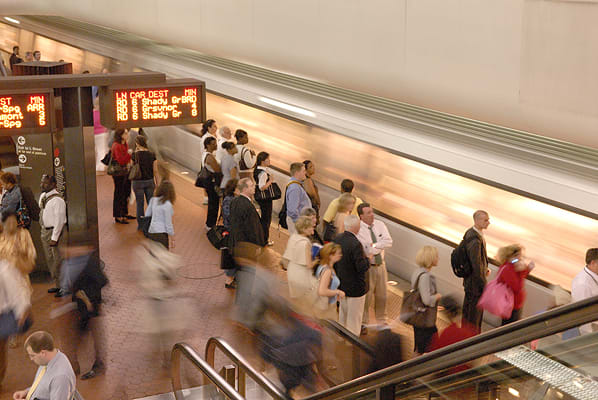
Currently, MTPD may ban a person for up to 24 hours if they violate the passenger conduct rules in WMATA’s Tariff, which includes abusive, unacceptable, or unsafe conduct.
Photo: Larry Levine
In alignment with the Washington Metropolitan Area Transit Authority’s Strategic Transformation Plan, the agency’s board of directors adopted a banning policy, which will take effect on June 2, or on a later date as may be necessary for all administrative processes to be in place.
The purpose of the banning policy is to prohibit a person who commits a sex or sex-related crime or any assault on a WMATA employee, contractor, or customer from entering or using the agency’s system, properties, or facilities for more than 24 hours.
WMATA’s Change in Policy
Currently, MTPD may ban a person for up to 24 hours if they violate the passenger conduct rules in WMATA’s Tariff, which includes abusive, unacceptable, or unsafe conduct.
Under the new policy, the banning period will apply as follows:
First offense: 45 days
Second offense: 90 days
Third offense: 365 days
The policy allows for appeals of any banning period longer than 24 hours.
“We appreciate the board’s support as we take every step we can to maintain a safe system,” said WMATA’s GM/CEO Randy Clarke. “Crime is at a seven-year low as a result of the many steps we’ve already taken — including making it harder to fare evade with taller faregates and putting more officers on trains. Having this policy in place will enhance our efforts and provide MTPD an extra tool to prevent repeat offenses.”
Following the Region’s Lead
Maryland, Virginia, and the District of Columbia have passed laws or are considering legislation for enhanced penalties and/or banning for assaults against public transit operators.
“The implementation of this policy is about creating a safer, more secure environment where both customers and employees can confidently utilize the system,” said WMATA Board Chair Valerie Santos. “Banning individuals who display violent or lewd conduct promotes trust, reduces risks, and reinforces Metro’s commitment to well-being and accountability.”
More Security and Safety

Transit Agencies Highlight Safety Gains at National Summit
Leaders from 15 major transit systems shared crime-reduction results and safety initiatives while discussing the role of continued federal support.
Read More →
DART Launches Major Security, Fare Enforcement Initiative
The 90-day demonstration will deploy coordinated security teams at five light rail stations while testing controlled access and gathering data to guide future investments.
Read More →
RTD Launches NextRide App to Consolidate Trip Planning, Fares, Security Reporting
The app expands on RTD’s existing NextRide web application and allows customers to view real-time vehicle locations and service alerts, purchase and store digital fares, and access customer support.
Read More →

TAPTCO Updates OSHA Compliance Training for Transit Maintenance Operations
The revamped program addresses 26 OSHA standards for maintenance facilities, with TAPTCO pointing to training, documentation, and everyday shop hazards as continuing challenges for transit operations.
Read More →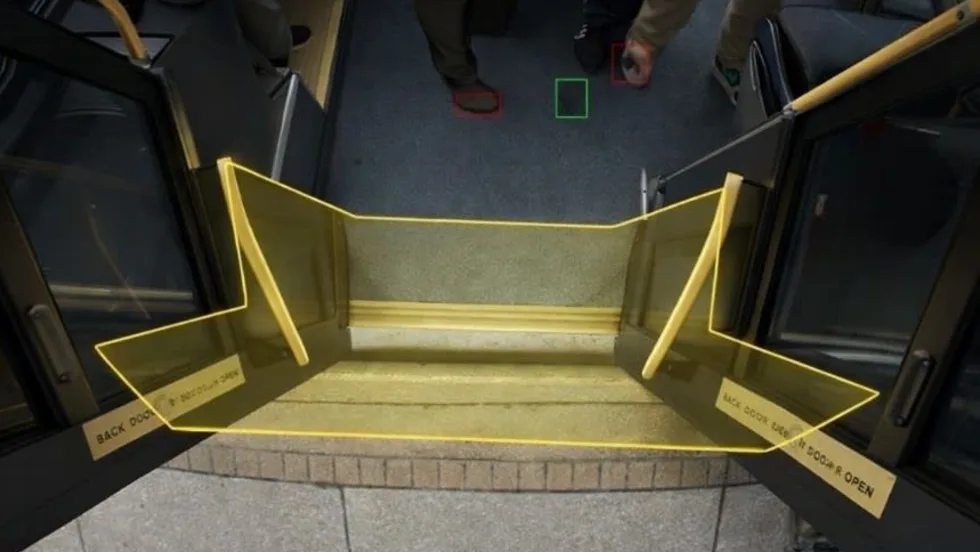
How VaporVision Adds Value to Transit Door Systems
Wabtec engineers explain how the system improves doorway detection, strengthens diagnostics and gives transit agencies and OEMs greater operating flexibility.
Read More →
FRA Announces $5.3B in Rail Investments, Including $2B for Amtrak
Funding will support grade-crossing improvements, infrastructure upgrades, and new Amtrak equipment in 23 states.
Read More →
Chicago, Maryland Expand Non-Law-Enforcement Safety, Rider Support
The CTA and MTA are launching new programs aimed at de-escalation, crisis response, rider assistance, and greater transparency.
Read More →
LA Metro, City of West Hollywood, and Partners Advance Smarter Bus Lane Enforcement
The award-winning partnership combines AI-powered detection with human oversight to improve bus reliability, accessibility, and enforcement efficiency.
Read More →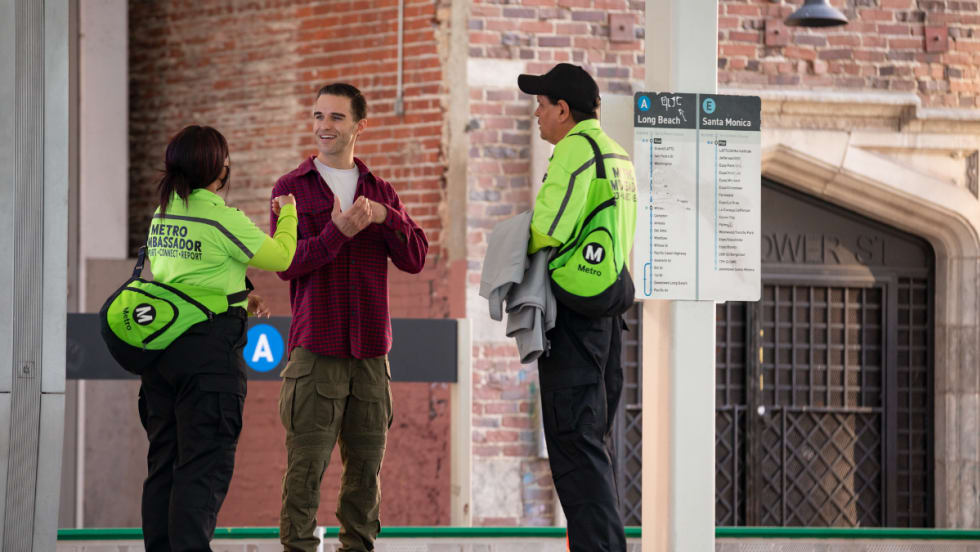
LA Metro Reports 57% Decline in Homelessness on Transit System Since 2024
The agency's latest homelessness count offers new data on how care-based services and cross-sector partnerships can complement traditional transit security strategies.
Read More →
FTA Launches 'Transit Moves America' Dashboard to Highlight Agency Safety and Performance
The online dashboard transforms National Transit Database information into a public-facing resource that allows users to compare transit agencies on key operational and safety metrics.
Read More →