



Denver’s RTD Partners to Launch Human Trafficking Awareness Campaign
The initiative aims to provide educational resources and information to encourage customers and community members to identify and report human trafficking.

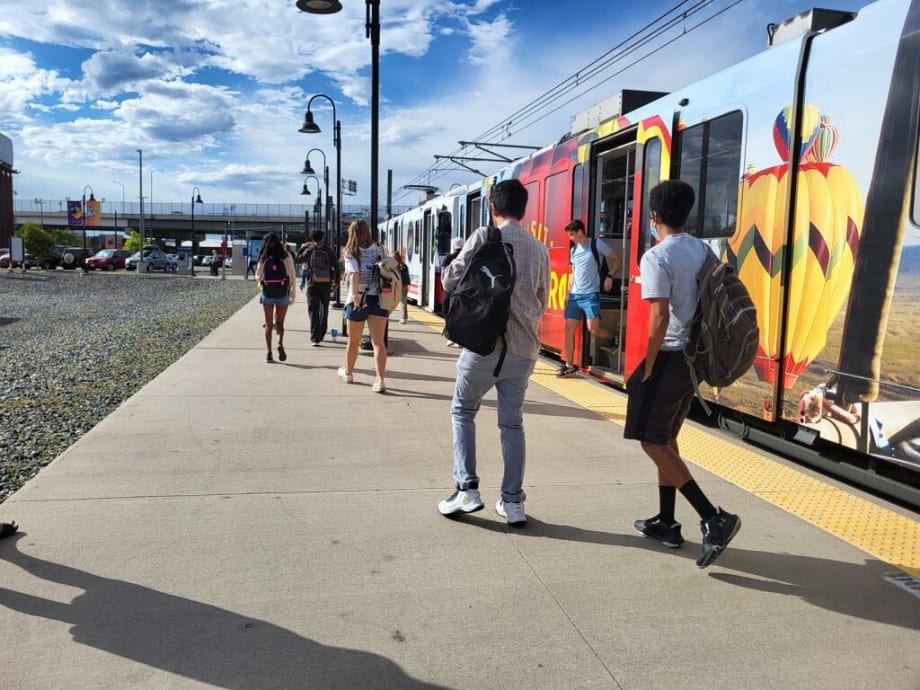
The agency is urging customers and community members to review resources shared on RTD’s social media channels and advertisements on RTD buses and at stations.
Photo: Denver RTD
Denver’s Regional Transportation District (RTD) is partnering with Truckers Against Trafficking (TAT) and the Denver Anti-Trafficking Alliance (DATA) to launch a Human Trafficking Awareness campaign.
The initiative aims to provide educational resources and information to encourage customers and community members to identify and report human trafficking.
Human Trafficking A Community Issue
Throughout May, RTD will educate young customers, families, and community members on how to recognize and report trafficking.
Human trafficking is a serious crime that affects people worldwide, including in Colorado. It involves severe exploitation for labor or commercial sex through force, fraud, or coercion. Victims may be forced to work long hours for little or no pay, and traffickers often take their identification, making it difficult for victims to access transportation and human services. Many survivors attempt to escape by bus, train, or by fleeing to a transit center.
As the region’s public transit provider, RTD is in a unique position to help identify and disrupt trafficking. “I value RTD’s partnerships with TAT and DATA,” says RTD GM/CEO Debra A. Johnson. “Collectively, we aim to educate employees, customers, and the general public about human trafficking while sharing resources to help eliminate it from our communities.”
Taking Steps to Fight Human Trafficking
RTD Transit Police (RTD-PD) train and certify their officers to recognize, investigate, and report human trafficking.
RTD-PD also collaborates with the Denver Police Department and the Federal Bureau of Investigation (FBI). These agencies work together to conduct operations that better identify and assist young adults who are at risk, runaway, or victimized. They will continue to support combined efforts focused on preventing human trafficking.
Several “red flags” may indicate that an individual is a victim of trafficking. These include individuals who are not allowed to speak for themselves, whose tickets and/or ID cards are controlled by another person, and minors who do not know the person they are traveling to meet or who reference meeting “a friend from the internet.” Human trafficking groomers often target individuals who appear vulnerable to recruit victims.
The agency is urging customers and community members to review resources shared on RTD’s social media channels (RideRTD) and advertisements on RTD buses and at stations. Additionally, RTD has created a webpage dedicated to human trafficking education.
RTD staff will also share these resources with community members during regularly scheduled outreach activities throughout the month.
Internally, RTD employees have access to additional training resources to enhance their understanding of trafficking and learn how to help stop it.
More Security and Safety

Transit Agencies Highlight Safety Gains at National Summit
Leaders from 15 major transit systems shared crime-reduction results and safety initiatives while discussing the role of continued federal support.
Read More →
DART Launches Major Security, Fare Enforcement Initiative
The 90-day demonstration will deploy coordinated security teams at five light rail stations while testing controlled access and gathering data to guide future investments.
Read More →
RTD Launches NextRide App to Consolidate Trip Planning, Fares, Security Reporting
The app expands on RTD’s existing NextRide web application and allows customers to view real-time vehicle locations and service alerts, purchase and store digital fares, and access customer support.
Read More →

TAPTCO Updates OSHA Compliance Training for Transit Maintenance Operations
The revamped program addresses 26 OSHA standards for maintenance facilities, with TAPTCO pointing to training, documentation, and everyday shop hazards as continuing challenges for transit operations.
Read More →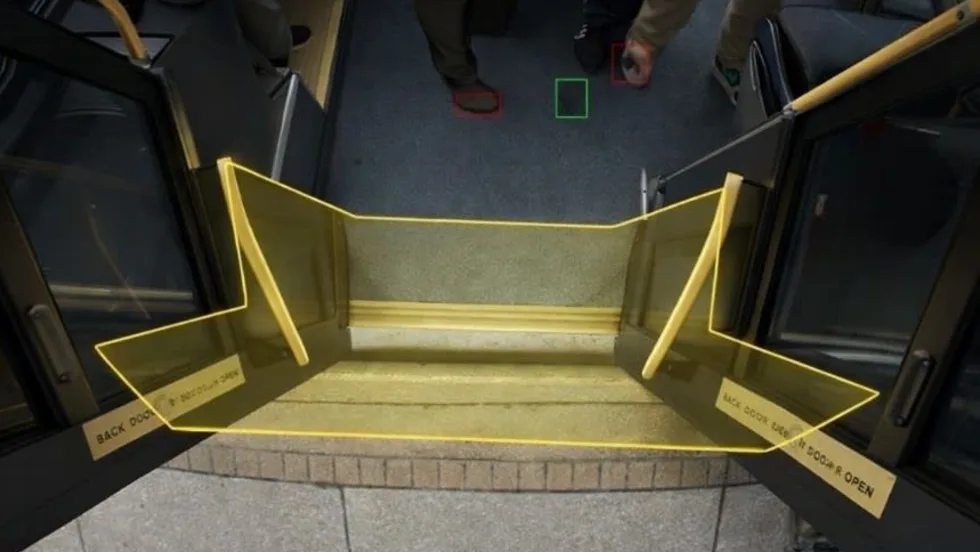
How VaporVision Adds Value to Transit Door Systems
Wabtec engineers explain how the system improves doorway detection, strengthens diagnostics and gives transit agencies and OEMs greater operating flexibility.
Read More →
FRA Announces $5.3B in Rail Investments, Including $2B for Amtrak
Funding will support grade-crossing improvements, infrastructure upgrades, and new Amtrak equipment in 23 states.
Read More →
Chicago, Maryland Expand Non-Law-Enforcement Safety, Rider Support
The CTA and MTA are launching new programs aimed at de-escalation, crisis response, rider assistance, and greater transparency.
Read More →
LA Metro, City of West Hollywood, and Partners Advance Smarter Bus Lane Enforcement
The award-winning partnership combines AI-powered detection with human oversight to improve bus reliability, accessibility, and enforcement efficiency.
Read More →
LA Metro Reports 57% Decline in Homelessness on Transit System Since 2024
The agency's latest homelessness count offers new data on how care-based services and cross-sector partnerships can complement traditional transit security strategies.
Read More →
FTA Launches 'Transit Moves America' Dashboard to Highlight Agency Safety and Performance
The online dashboard transforms National Transit Database information into a public-facing resource that allows users to compare transit agencies on key operational and safety metrics.
Read More →