



Ecolane Celebrates 20th Anniversary
Ecolane was founded in Finland with its rideshare platform.


Ecolane develops on-demand transit scheduling software that enables transit providers to increase productivity, streamline efficiency, and provide client satisfaction.
Photo: Ecolane
Ecolane announced its 20th anniversary as a provider of intelligent web-based transit scheduling software.
Ecolane was founded in Finland with its rideshare platform.
The company develops on-demand transit scheduling software that enables transit providers to increase productivity, streamline efficiency, and provide client satisfaction.
“As we celebrate this milestone, we are proud of the achievements we’ve made, and we look forward to the next 50 years of innovations,” says Spiro Gjorgjievski, president. “We’ve seen a lot of changes over the years and are happy to provide transit agencies with the technology they need to fulfill their vision to serve their communities and enhance the rider experience.”
As Ecolane kicks off its 21st year, the company reflects on some of its recent achievements including a newly-launched INSIGHT by Ecolane, an AI-powered business intelligence tool that enables transit agencies to understand riding patterns so they can better plan for their future demand and optimize fleet operations.
Ecolane is also setting its sights on the future of mobility.
“We believe in the future of free and sustainable mobility, centered on inclusive experiences that foster community relationships,” said Gjorgjievski. “In the spirit of collaboration, we are proud to work alongside multiple stakeholders, riders, drivers, dispatchers, managers and shift supervisors to build a product roadmap that will enhance innovation, safety and security of all participants.”
Ecolane said it will continue expanding sales in the U.S. and Canada, while also exploring opportunities in other geographies, and developing Ecolane’s next-generation multi-modal platform.
More Technology
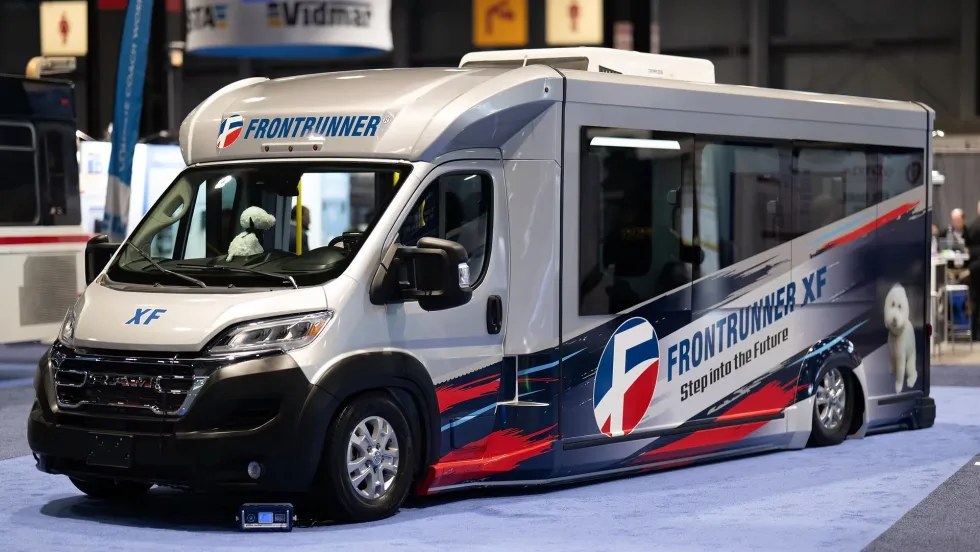
Frontrunner Bus Group Introduces XF Low-Floor Bus with Enhanced Accessibility
The new mid-sized bus features a full flat-floor design, eight-inch curbside step-in height, and zero-entry rear ramp to improve passenger access and operational flexibility.
Read More →
Building a Flexible Path to Transit Electrification with BAE's John Hroncich
John Hroncich discusses BAE Systems’ modular and scalable approach, lessons learned from decades of real-world operations, and how agencies can identify electrification strategies that fit their fleets.
Read More →
Scenes from APTA TRANSform & EXPO 2026
Transit leaders, manufacturers, and industry professionals gathered in Chicago to explore new technologies, share ideas, and discuss the future of public transportation.
Read More →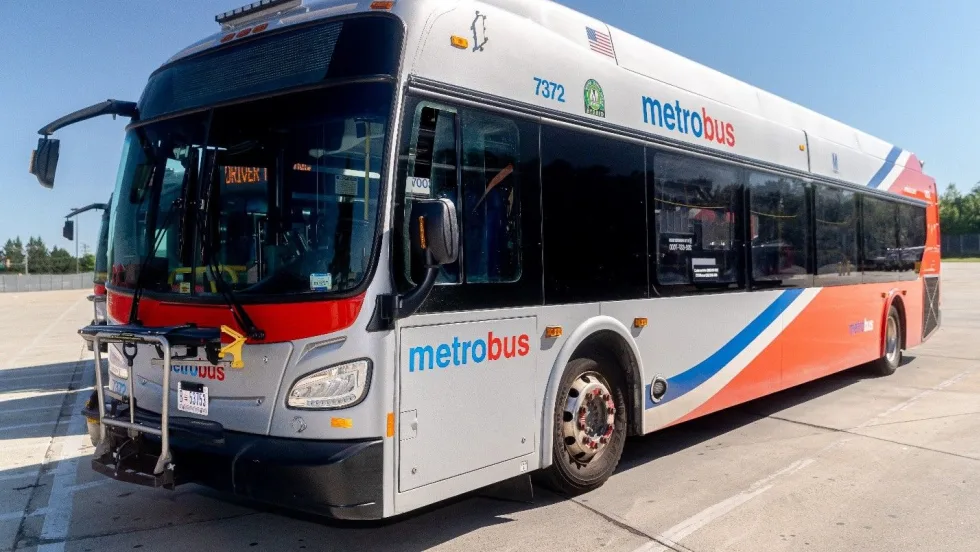
Biz Briefs: New Flyer Secures Additional 100-Bus Order from WMATA and More
In METRO's latest installment, we also take a look at recent news from Masabi, MCI, Samsara, and more partnerships making headlines across the transportation sector.
Read More →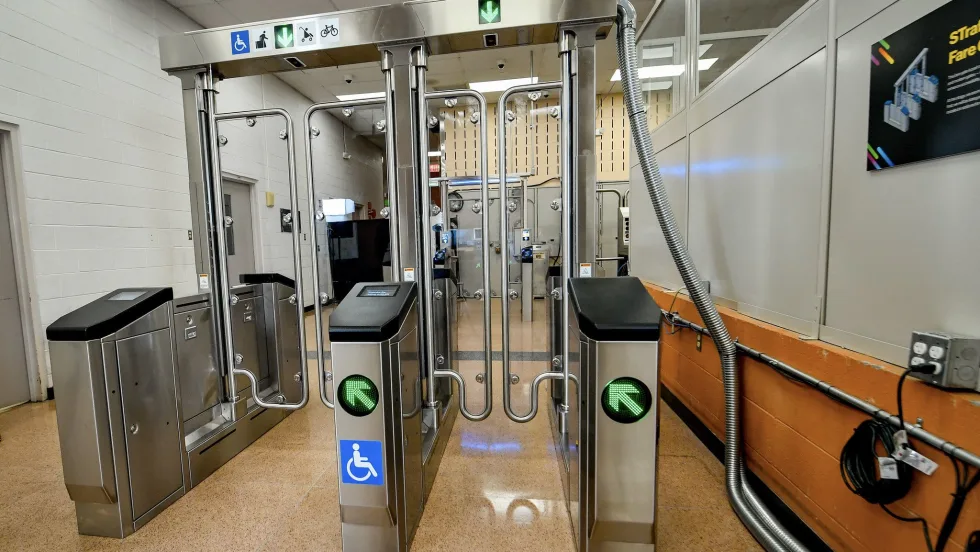
MTA Fare Gate Pilot Reduces Fare Evasion by 35%
Following a 20-station pilot, the agency plans to install new fare gates at 20 additional subway stations as part of a $1.1 billion modernization initiative.
Read More →
California Law Extends AC Transit’s Bus Lane Camera Enforcement
The new law allows AC Transit to continue using forward-facing bus cameras to enforce parking violations in bus-only lanes and at bus stops.
Read More →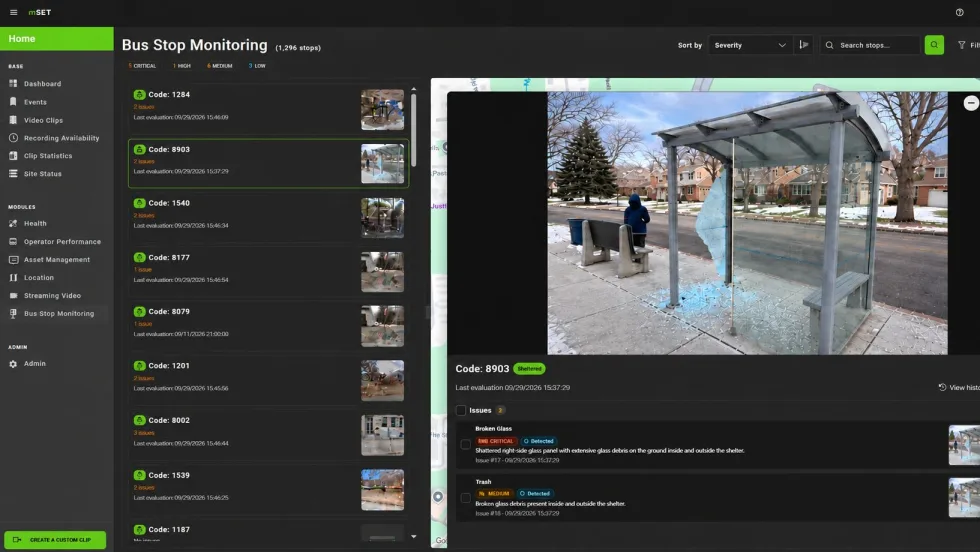
Biz Briefs: Luminator Launches AI Technology to Monitor Bus Stop Conditions and More
In METRO's latest installment, we also take a look at recent news from Masabi, Troman Industries, ioki, CCW, and more partnerships making headlines across the transportation sector.
Read More →
Public Transit Conference Returning to GFX in 2027, Call for Papers Now Open
The Call for Papers is now open, allowing transit agency professionals and industry experts to help shape the PTC educational program by submitting session ideas for consideration.
Read More →
ENC Lands MATA Contract and More in Biz Briefs
In this edition of Biz Briefs, we spotlight the latest developments shaping the future of mobility.
Read More →
Strada360’s Steve Lassey on Turning Transit Data Into Better Decisions
From breaking down data silos to preparing for AI, Strada360 CEO Steve Lassey discusses how transit agencies can use technology to improve operations, customer information, and long-term decision-making.
Read More →