



Expert testifies expanding transit will help economy
Also a key solution to tackle climate change, reduce dependence on foreign oil, and boost the economic competitiveness of our population centers, Andrew Darrel, VP for Living Cities Program said.

Expanding transit now will help Americans get through tough economic times and cut our dependence on foreign oil, according to hearing testimony by a green transportation expert today before the Senate Banking Committee.
"Expanding transit now is just the right tonic to help get through tough economic times," testified Andrew Darrell, VP for Living Cities Program at Environmental Defense Fund during a Committee hearing titled: Strengthening the Ability of Public Transportation to Reduce Our Dependence on Foreign Oil. "It is also a key solution to tackle climate change, reduce dependence on foreign oil, and boost the economic competitiveness of our population centers."
A member of New York Mayor Michael Bloomberg's Sustainability Advisory Board and a former member of the New York City Traffic Mitigation Commission, Darrell noted that during the first quarter of 2008, public transit ridership rose by 88 million trips compared to 2007 (see local ridership increases at www.climateatlas.org/transit.html).
However, despite the resulting increase in revenue, transit networks can barely keep with increased operating costs and those increased revenues are certainly not enough to allow for capital investment in expansion.
"When Americans turn to transit, we believe it is essential to meet them at the subway station, at the bus stop, at the light rail stop with good and expanded service," added Darrell. "Across the country, transit systems are trying hard to do just that - but they need financial help to meet growing demand."
According to U.S. Public Interest Research Group, transportation is the second-largest household expense for the average American household, second only to shelter (and ahead of food). According to the Federal Highway Administration's data, which has been gathered since 1942, the past year has brought the steepest decline in vehicle miles traveled ever recorded.
Darrell urged immediate federal action to:
-- Provide emergency grants to expand transit service to meet rising demand, for example by bringing new buses and rolling stock into the system quickly;
-- Support transit innovation, for example through highly-efficient technologies, like light rail and bus-rapid-transit, that can deliver transit results in communities that do not have good access now;
-- Get the most out of existing networks, by providing financial support to ease the backlog of maintenance needs and upgrading signalization and other technologies that allow transit systems to work more efficiently;
-- Expand access to transit, for example by making transit easier to access from residential areas through local van pools or encouraging residential development near transit hubs; and
-- Invest in energy efficiency of transit networks. A hybrid-electric transit bus, for example, uses far less fuel than a traditional diesel bus.
More Rail
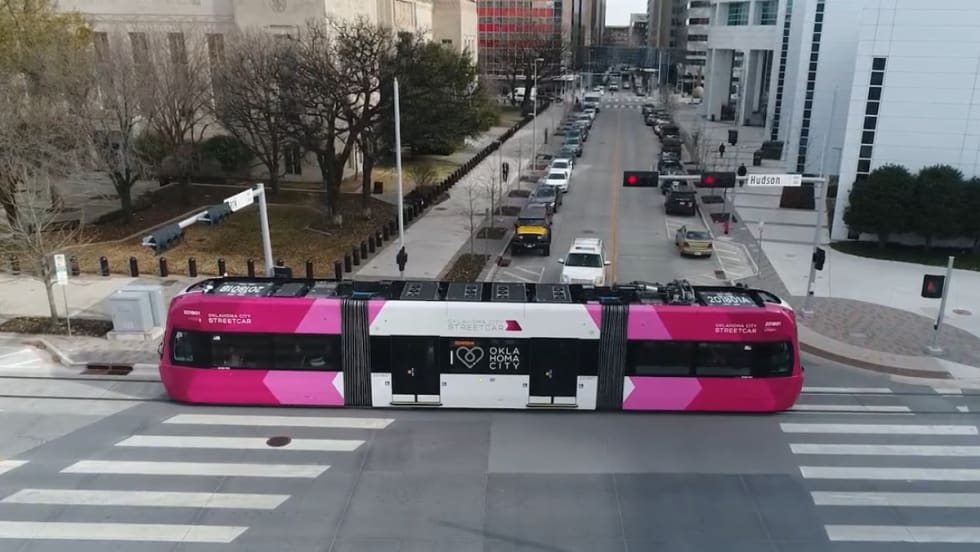
OKC Streetcar Makes Zero-Fare Service Permanent
Ridership increased an average of 71% compared with the same period a year earlier during the fare-free pilot.
Read More →
DART Customer Satisfaction Reaches Six-Year High
Overall satisfaction rose to 74.9%, while the agency’s Net Promoter Score reached a record 33.7.
Read More →
How DART's GoPass Is Redefining Regional Mobility
Serving 14 transit agencies, GoPass simplifies multimodal travel by allowing riders to plan, pay for, and manage an entire trip through one app.
Read More →
Amtrak Board Advances Plan to Restructure Organization, Seeks Public Input
The proposal, developed by Amtrak management and approved by the board for further consideration, is intended to modernize the organization's structure while improving accountability, operational efficiency, and customer service.
Read More →
Biz Briefs: STV teams with Amtrak, Motorcoach Operators Boost Fleet and Land Contracts, and More
From manufacturers and suppliers to transit agencies and motorcoach operators, these updates offer a snapshot of the projects, partnerships and business moves driving the industry forward.
Read More →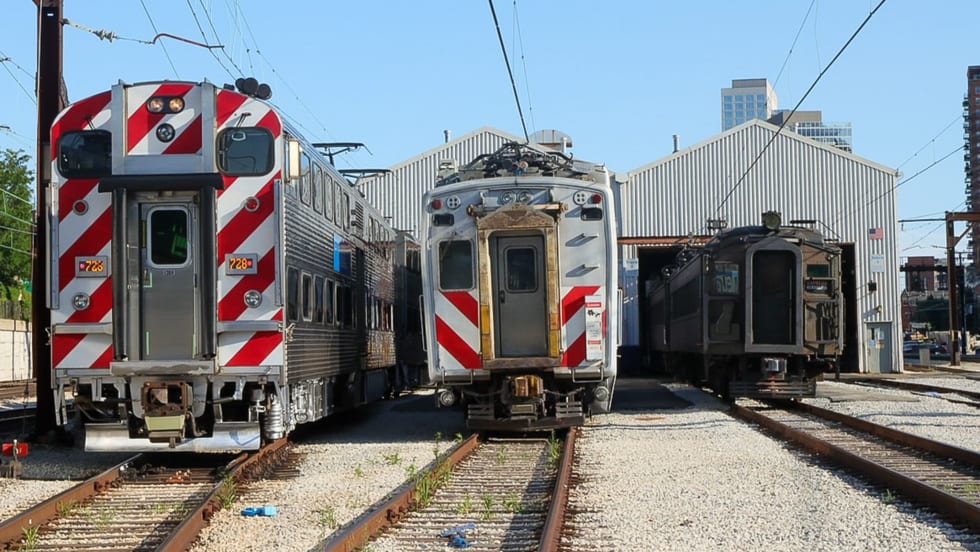
Metra Celebrates 100 Years of Electric Rail, Looks to the Future
The event was also a celebration of recent reforms to public transportation in the Chicago area, changes that could be as transformative in the future as the major civic achievement a century ago, said officials.
Read More →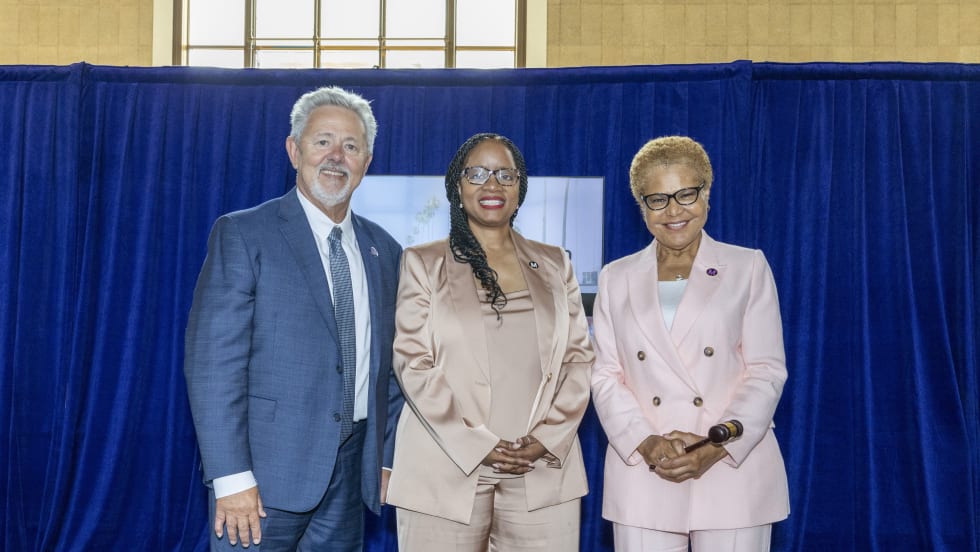
LA Metro Marks Banner Year, Sets Ambitious Goals for New Fiscal Year
Incoming LA Metro Board Chair and Los Angeles Mayor Karen Bass joined outgoing Board Chair Fernando Dutra and LA Metro CEO Stephanie Wiggins to review accomplishments from fiscal year 2026, which included the opening of new rail extensions, advancement of major transit projects, expanded safety programs, and new rider amenities.
Read More →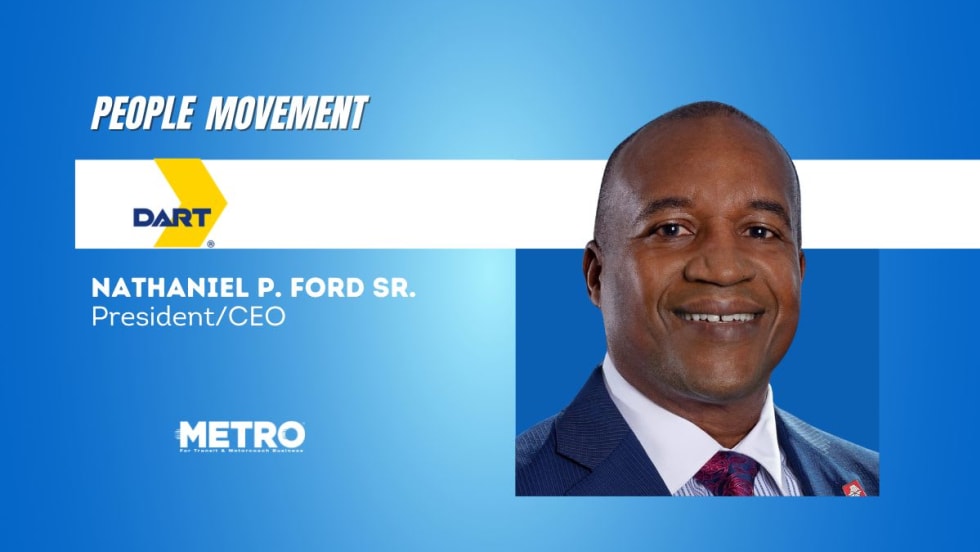
DART Taps Nathaniel P. Ford Sr. as Next President/CEO
Since 2012, Ford has served as the CEO of the Jacksonville Transportation Authority
Read More →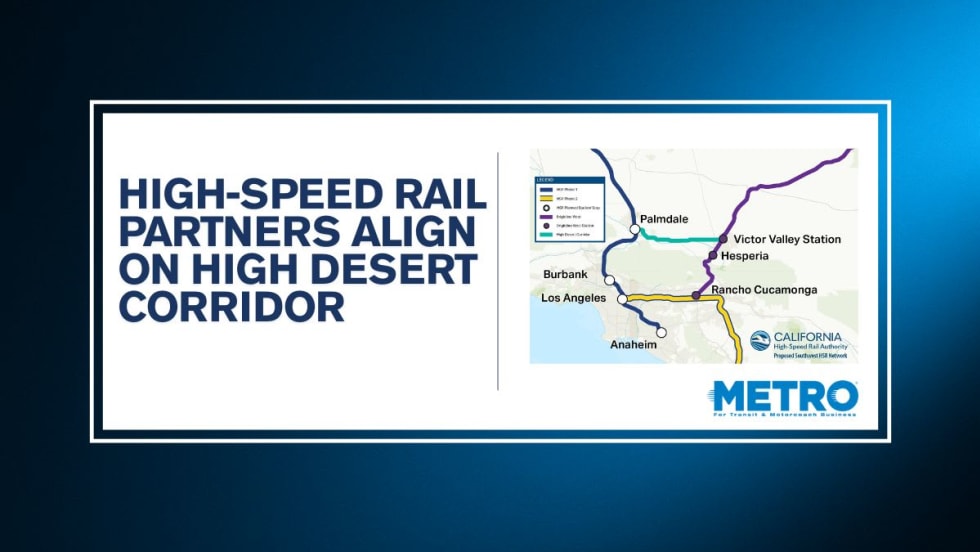
California High-Speed Rail Authority Signs MOU to Advance High Desert Corridor
The agreement deepens collaboration between the California High-Speed Rail Authority and the High Desert Corridor Joint Powers Agency, supporting design integration, cost savings, and faster delivery of a key Southern California rail link.
Read More →
Building the Next Generation of Transit Technology
In this edition of METROspectives, Luminator CEO Magnus Friberg discusses the company's transformation, the growing role of AI and software, and what's next for transit technology.
Read More →