



Fatalities on London Roads Fall to Lowest Level on Record, TfL Report Finds
Despite this decrease, overall casualties have increased since the coronavirus lockdowns ended and traffic has returned, with continued action still needed to achieve the Mayor Sadiq Khan's Vision Zero goal of eliminating death and serious injury from the transport network.


While travel habits continued to change in 2021, the lifting of most pandemic restrictions in July 2021 saw a gradual return to normal activity.
TfL
Transport for London (TfL) published casualty statistics that show the number of people tragically killed on London's roads in 2021 fell by 22% to the lowest level on record, compared to a 7% increase nationally. Despite this decrease, overall casualties have increased since the coronavirus lockdowns ended and traffic has returned, with continued action still needed to achieve the Mayor Sadiq Khan's Vision Zero goal of eliminating death and serious injury from the transport network.
While travel habits continued to change in 2021, the lifting of most pandemic restrictions in July 2021 saw a gradual return to normal activity. As traffic returned to pre-pandemic levels, the number of people who were killed or seriously injured increased by 17%, rising from 3,070 in 2020 to 3,580 in 2021.
Vulnerable road users continue to be most at risk with people walking, cycling, and motorcycling making up 81% of all people killed or seriously injured in 2021. The number of people killed while cycling in 2021 was down by 40% on the 2005 to 2009 baseline, from 17 to 10 people. However, serious injuries to people cycling increased by 54%. This partly reflects increases in the number of journeys cycled, with the most recent figures showing the share of road journeys by bicycle almost doubling to 4%.
Cars continued to be the main vehicle type involved in collisions in 2021, highlighting the risks posed to Londoners and the capital by a car-led recovery from the pandemic. Cars were involved in 64% of all collisions resulting in death or injury, up from 62% in 2019. Speeding remains the biggest risk to road users with half of the 2021 fatal collisions in London (37 out of 75) reporting speed as a contributory factor. TfL has been working to increase the level of police enforcement and tackle speeding and the harm it causes, with the aim of having the capacity to enforce up to one million speeding offenses by 2024-25.
Meanwhile, the number of people killed or seriously injured in or by a bus in 2021 was the second lowest number on record after 2020 and is 70% down on the 2005-09 baseline, meeting the overall target of 70% by 2022. TfL has continued work on its Bus Safety Program and all new buses joining the fleet are now Bus Safety Standard 2019 compliant. This means they are fitted with Intelligent Speed Assistance, which ensures that buses are complying with the speed limit. They are also fitted with blind spot mirrors or camera monitoring systems to improve visibility of vulnerable road users and with acoustic vehicle alerting systems to alert road users of their presence. TfL is continuing the roll out of the Bus Safety Standard on new vehicles, with all existing measures mandated by 2024.
In March 2020, TfL introduced a 20-mph speed limit on all its roads within the central London Congestion Charging zone as part of its Vision Zero commitment. TfL is now working to lower speeds on more of its roads by 2024. It also published a progress report last year that outlines achievements from the past three years and commits to new tougher measures to ensure it meets its Vision Zero goal.
More Security and Safety

Transit Agencies Highlight Safety Gains at National Summit
Leaders from 15 major transit systems shared crime-reduction results and safety initiatives while discussing the role of continued federal support.
Read More →
DART Launches Major Security, Fare Enforcement Initiative
The 90-day demonstration will deploy coordinated security teams at five light rail stations while testing controlled access and gathering data to guide future investments.
Read More →
RTD Launches NextRide App to Consolidate Trip Planning, Fares, Security Reporting
The app expands on RTD’s existing NextRide web application and allows customers to view real-time vehicle locations and service alerts, purchase and store digital fares, and access customer support.
Read More →

TAPTCO Updates OSHA Compliance Training for Transit Maintenance Operations
The revamped program addresses 26 OSHA standards for maintenance facilities, with TAPTCO pointing to training, documentation, and everyday shop hazards as continuing challenges for transit operations.
Read More →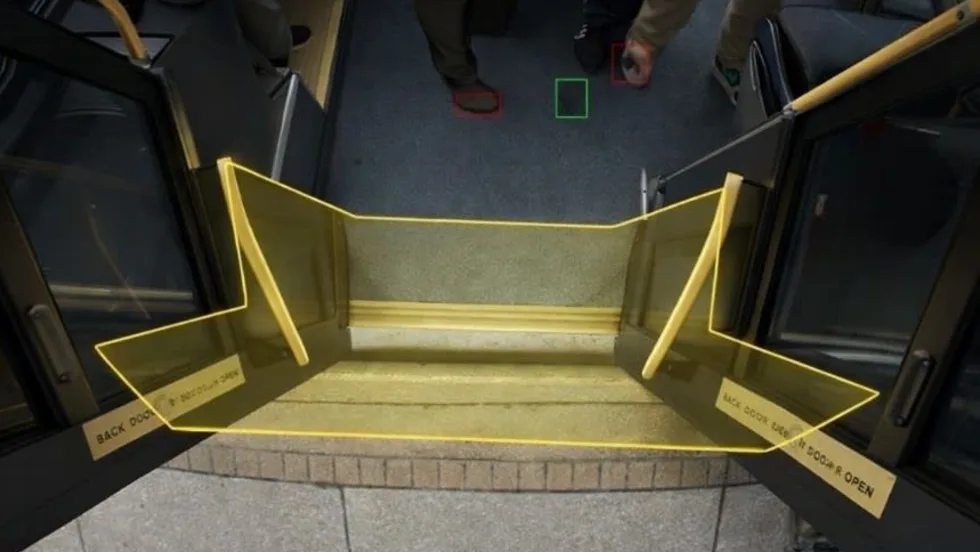
How VaporVision Adds Value to Transit Door Systems
Wabtec engineers explain how the system improves doorway detection, strengthens diagnostics and gives transit agencies and OEMs greater operating flexibility.
Read More →
FRA Announces $5.3B in Rail Investments, Including $2B for Amtrak
Funding will support grade-crossing improvements, infrastructure upgrades, and new Amtrak equipment in 23 states.
Read More →
Chicago, Maryland Expand Non-Law-Enforcement Safety, Rider Support
The CTA and MTA are launching new programs aimed at de-escalation, crisis response, rider assistance, and greater transparency.
Read More →
LA Metro, City of West Hollywood, and Partners Advance Smarter Bus Lane Enforcement
The award-winning partnership combines AI-powered detection with human oversight to improve bus reliability, accessibility, and enforcement efficiency.
Read More →
LA Metro Reports 57% Decline in Homelessness on Transit System Since 2024
The agency's latest homelessness count offers new data on how care-based services and cross-sector partnerships can complement traditional transit security strategies.
Read More →
FTA Launches 'Transit Moves America' Dashboard to Highlight Agency Safety and Performance
The online dashboard transforms National Transit Database information into a public-facing resource that allows users to compare transit agencies on key operational and safety metrics.
Read More →