



Federal Mask Requirement Extended for Public Transportation
The requirement, which went into effect for individuals across all U.S. transportation networks in February, is now extended through September 13.
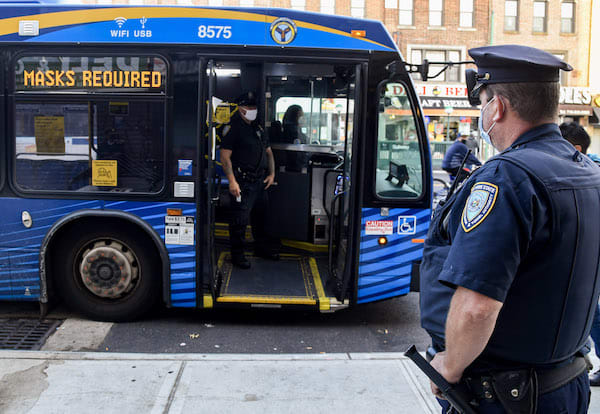
Photo courtesy Marc A. Hermann, MTA NYC Transit via Flickr
The Transportation Security Administration (TSA) is extending the face mask requirement for individuals across all transportation networks throughout the U.S., including at airports, onboard commercial aircraft, on over-the-road buses, and on commuter bus and rail systems through September 13.
TSA’s initial face mask requirement went into effect on February 1 with an expiration date of May 11.
“The federal mask requirement throughout the transportation system seeks to minimize the spread of COVID-19 on public transportation,” said Darby LaJoye, the senior official performing the duties of the TSA Administrator. “Right now, about half of all adults have at least one vaccination shot, and masks remain an important tool in defeating this pandemic. We will continue to work closely with the Centers for Disease Control and Prevention (CDC) to evaluate the need for these directives and recognize the significant level of compliance thus far.”
The CDC recently announced that fully vaccinated travelers with an FDA-authorized vaccine can travel safely within the U.S., but the CDC guidelines still require individuals to wear a face mask, socially distance, and wash their hands or use hand sanitizer. The extension of the face mask requirement is consistent with this most recent CDC guidance. TSA encourages all commuters, and airline and bus travelers, including people considering international travel, to stay up to date with any changes to these requirements by checking the TSA and CDC websites prior to taking their trip.
While this announcement extends the date of enforcement, all other aspects of the requirement remain unchanged, including exemptions and civil penalties. Exemptions to the face mask requirement for travelers under the age of 2 years old and those with certain disabilities will continue. The existing civil penalty fine structure will also remain in place which starts at $250 and rises to $1,500 for repeat offenders who violate this face mask requirement.
More Security and Safety

Transit Agencies Highlight Safety Gains at National Summit
Leaders from 15 major transit systems shared crime-reduction results and safety initiatives while discussing the role of continued federal support.
Read More →
DART Launches Major Security, Fare Enforcement Initiative
The 90-day demonstration will deploy coordinated security teams at five light rail stations while testing controlled access and gathering data to guide future investments.
Read More →
RTD Launches NextRide App to Consolidate Trip Planning, Fares, Security Reporting
The app expands on RTD’s existing NextRide web application and allows customers to view real-time vehicle locations and service alerts, purchase and store digital fares, and access customer support.
Read More →

TAPTCO Updates OSHA Compliance Training for Transit Maintenance Operations
The revamped program addresses 26 OSHA standards for maintenance facilities, with TAPTCO pointing to training, documentation, and everyday shop hazards as continuing challenges for transit operations.
Read More →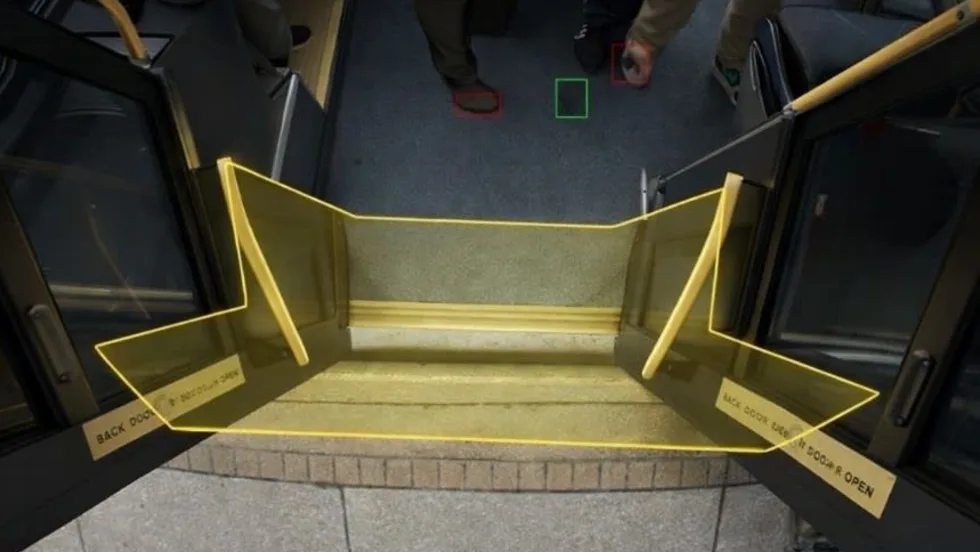
How VaporVision Adds Value to Transit Door Systems
Wabtec engineers explain how the system improves doorway detection, strengthens diagnostics and gives transit agencies and OEMs greater operating flexibility.
Read More →
FRA Announces $5.3B in Rail Investments, Including $2B for Amtrak
Funding will support grade-crossing improvements, infrastructure upgrades, and new Amtrak equipment in 23 states.
Read More →
Chicago, Maryland Expand Non-Law-Enforcement Safety, Rider Support
The CTA and MTA are launching new programs aimed at de-escalation, crisis response, rider assistance, and greater transparency.
Read More →
LA Metro, City of West Hollywood, and Partners Advance Smarter Bus Lane Enforcement
The award-winning partnership combines AI-powered detection with human oversight to improve bus reliability, accessibility, and enforcement efficiency.
Read More →
LA Metro Reports 57% Decline in Homelessness on Transit System Since 2024
The agency's latest homelessness count offers new data on how care-based services and cross-sector partnerships can complement traditional transit security strategies.
Read More →
FTA Launches 'Transit Moves America' Dashboard to Highlight Agency Safety and Performance
The online dashboard transforms National Transit Database information into a public-facing resource that allows users to compare transit agencies on key operational and safety metrics.
Read More →