



First Transit readies for 'back-to-school' season with 'Tiger' systems
The service provider operates bus systems for Louisiana State University and Princeton University.

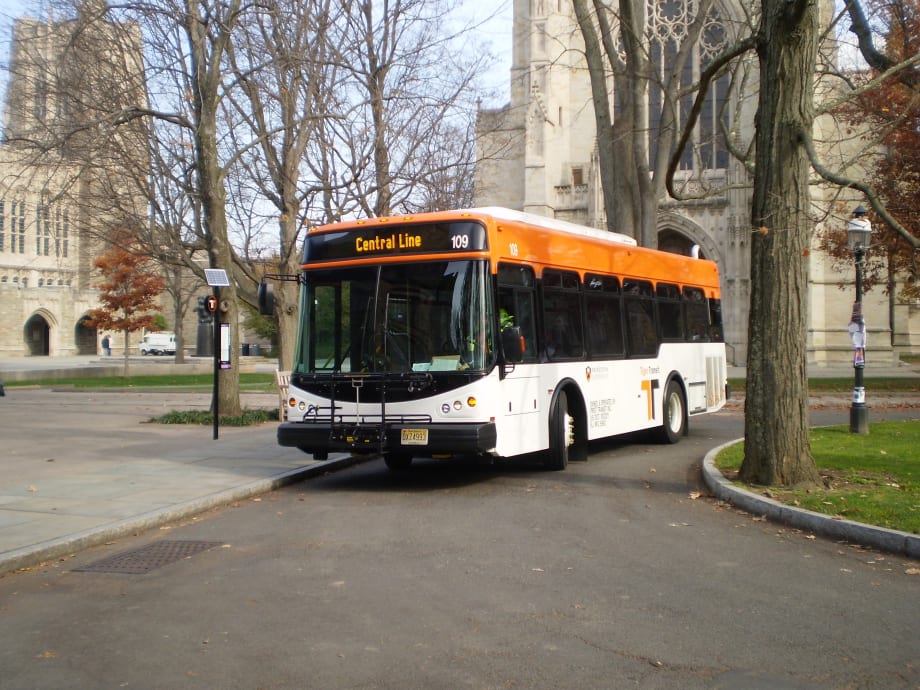
Princeton University's Tiger Transit. Photo: First Transit
Princeton University's Tiger Transit. Photo: First Transit
First Transit is getting ready for the back-to-school season across 28 universities and colleges. First Transit is the largest provider of transportation solutions for universities and colleges in North America, with a fleet of more than 600 buses.
“First Transit provides integrated transportation solutions for universities and colleges all over the country,” said Scott Conroy, area VP, First Transit. “Princeton University’s TigerTransit transportation system and Louisiana State University’s (LSU) Tiger Trails system are examples of two great partnerships. Each provides bus operations for students and faculty to have access to transportation throughout campus and the surrounding area.”
First Transit partnered with LSU to incorporate 31 new Tiger Trails buses into their campus transportation system. Tiger Trails carries more than 40,000 faculty, staff, students and visitors daily. The First Transit team has started to plan the transportation needs for the 2016 LSU home football games, which draws more than 100,000 fans to Tiger Stadium each game.
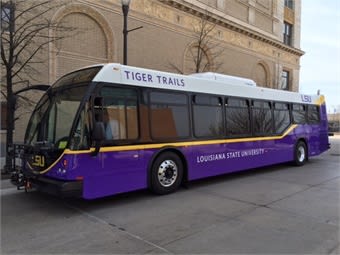
Louisiana State University's Tiger Trails service. Photo: First Transit
“At LSU, we do all we can to provide parking and transportation options that appeal to our campus constituents. The number one goal is always customer service and working to match our services to the needs and wants of the LSU community. It can be challenging at times, but good business partnerships help us move toward reaching our goal,” said Jeff Campbell, director of parking & transportation, Louisiana State University.
First Transit manages another tiger-themed transit system some 1,300 miles north of LSU’s Baton Rouge campus. At Princeton University in New Jersey, stops for TigerTransit are coordinated with the recently expanded bike and car share programs. The UMatter TigerTransit bus, in partnership with university student organizations, provides a safe and convenient ride home from the university dining halls to the undergraduate residences during the weekend. The First Transit team at Princeton moves more than 10,000 passengers a week on TigerTransit.
“We are committed to providing parking and transportation services that promote sustainability, accessibility and mobility for the Princeton University community,” said Kim Jackson, director of transportation, Princeton University.
More Bus

Report: Transit Bus Manufacturing Supports 34,100 Jobs, $5.1B in GDP
The “Buses Mean Business” report examines the transit bus manufacturing industry’s economic footprint, supply chain, and rising demand for vehicle replacements.
Read More →
Biz Briefs: New Flyer Delivers in Columbus, Houston, Beep and Freebee Merge, and More
In this edition of Biz Briefs, we spotlight the latest developments shaping the future of mobility.
Read More →
People Movement: Dan Dipert Coaches Adds Third-Generation Leader, Keolis Names New Valley Metro VP/GM, and More
In this edition, we also cover recent appointments and announcements at the Wabtec, SilverRide, HNTB, and more, showcasing the individuals helping to shape the future of transportation.
Read More →
New York MTA Plans Largest Bus Fleet Upgrade in More Than a Decade
The agency is seeking manufacturers for 650 new CNG buses to replace aging vehicles, improve reliability, and advance its broader fleet modernization strategy.
Read More →
Building a Flexible Path to Transit Electrification
John Hroncich discusses BAE Systems’ modular and scalable approach, lessons learned from decades of real-world operations, and how agencies can identify electrification strategies that fit their fleets.
Read More →
Bus Tech Talk: Keeping Transit Technicians Ahead of the Technology Curve
LA Metro’s Obed Mejia discusses technician training, evolving maintenance technology, fleet replacement, and strategies for getting the most out of today’s transit fleets.
Read More →
Biz Briefs: RIPTA Unveils New Frontrunners, Clevland RTA Adds New Siemens, and More
In METRO's latest installment, we take a look at recent news from Siemens, Prevost, Dodge, and more partnerships making headlines across the transportation sector.
Read More →
People Movement: Holly Arnold Joins Transdev and More
In this edition, we also cover recent appointments and announcements at Pace, CamTran, MCI, and more, showcasing the individuals helping to shape the future of transportation.
Read More →
The High Cost of Transit Buses: Industry Leaders Look to Procurement Reform
Transit leaders and policymakers examine how standardized bus designs, streamlined procurement, and predictable funding could help agencies stretch budgets and deliver better service.
Read More →
The Business Voice Behind Public Transportation
As chair of APTA’s Business Members Board of Governors, Ray Melleady explains how more than 850 business members are partnering with transit agencies to advance funding, innovation, and industry-wide collaboration.
Read More →