



FMCSA Rescinds DVIR Report Requirements for Motorcoach
The new rule will eliminate the need for a driver to file, and a motor carrier to maintain, a no-defect DVIR.
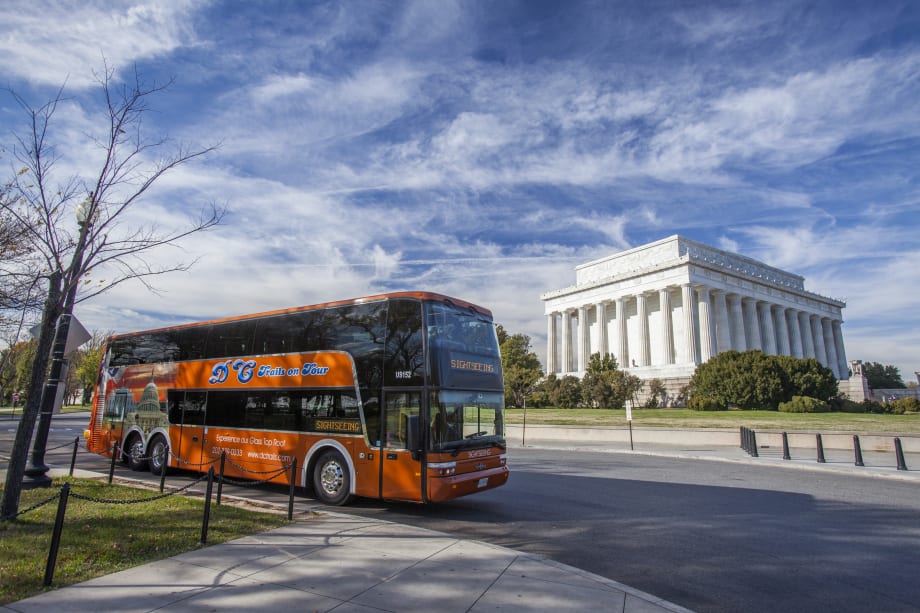
FMCSA has focused on reducing regulatory burdens without impacting safety.
DC Trails
As part of the agency’s ongoing effort to review existing regulations to evaluate their continued necessity and effectiveness, the Federal Motor Carrier Safety Administration (FMCSA) is rescinding the requirement that drivers of commercial buses submit — and their motor carriers retain — driver-vehicle inspection reports (DVIRs) when the driver has neither found nor been made aware of any vehicle defects or deficiencies.
“This straightforward rule is reflective of the agency and US DOT’s approach to reducing unneeded regulatory costs, while ensuring safety. Eliminating regulatory burdens and saving commercial drivers valuable time is helpful to support the commercial bus industry — especially during our nation’s economic recovery,” said FMCSA Deputy Administrator Jim Mullen. “The bus industry plays a critical role in connecting our nation’s people and communities, and this commonsense rule change will make a difference for commercial bus companies around the country,”
Current regulations require commercial bus drivers to submit DVIRs even if there are no vehicle defects to report. The new rule will eliminate the need for a driver to file, and a motor carrier to maintain, a no-defect DVIR.
The agency estimates that passenger-carrying commercial motor vehicle drivers spend approximately 2.4 million hours each year completing no-defect DVIRs, and that this rule would result in a cost savings of $74 million per year to the industry.
FMCSA has focused on reducing regulatory burdens without impacting safety. In May, the agency published a final rule on hours of service regulations that will save the motor carrier industry an estimated $273 million per year.
Additionally, in March 2019, the agency authored a final rule streamlining the process and reducing costs to upgrade from a Class B to Class A commercial driver’s license — a deregulatory action that will save eligible driver trainees and motor carriers $18 million annually.
More Motorcoach

People Movement: Dan Dipert Coaches Adds Third-Generation Leader, Keolis Names New Valley Metro VP/GM, and More
In this edition, we also cover recent appointments and announcements at the Wabtec, SilverRide, HNTB, and more, showcasing the individuals helping to shape the future of transportation.
Read More →
METRO Opens Submissions for 2026 Motorcoach Awards
Nominations are now being accepted for METRO Magazine’s Operator of the Year and Innovative Operator of the Year awards.
Read More →
Biz Briefs: Alstom Lands Canadian Contract, LYT to Supply California TSP, and More
In METRO's latest installment, we take a look at recent news from Complete Coach Works, Beep, FlixBus, and more partnerships making headlines across the transportation sector.
Read More →
Biz Briefs: RIPTA Unveils New Frontrunners, Clevland RTA Adds New Siemens, and More
In METRO's latest installment, we take a look at recent news from Siemens, Prevost, Dodge, and more partnerships making headlines across the transportation sector.
Read More →
People Movement: Holly Arnold Joins Transdev and More
In this edition, we also cover recent appointments and announcements at Pace, CamTran, MCI, and more, showcasing the individuals helping to shape the future of transportation.
Read More →
ABA Report: Motorcoach Travel Generates $161.6B Economic Impact
The 2025 analysis finds motorcoach travel supported nearly 900,000 jobs and generated $28 billion in federal, state, and local taxes.
Read More →
CharterUP’s Armir Harris on Technology, AI, and the Future of Group Mobility
In a recent episode of METROspectives, CharterUP Founder/CEO Armir Harris discussed the company’s evolution from an online charter bus marketplace into a technology platform supporting public- and private-sector mobility and much more.
Read More →
People Movement: ABC Names John Walsh as Chief Commercial Officer
In this edition, METRO also covers recent appointments and announcements at the DART, STV, and more, showcasing the individuals helping to shape the future of transportation.
Read More →
From Surviving to Thriving: Building Stronger Transportation Organizations
Bus Business Consultants founder Brian Dickson shares lessons on leadership, organizational health, and creating options for long-term success in a changing transportation industry.
Read More →
Biz Briefs: Luminator Marks Milestone and More
From manufacturers and suppliers to transit agencies and motorcoach operators, these updates offer a snapshot of the projects, partnerships and business moves driving the industry forward.
Read More →