



Foxx bus tour makes stop in Charlotte N.C.
Visit is part of a four-day, five state bus tour, The GROW AMERICA Express, highlighting the importance of investing in America’s infrastructure and to encourage Congress to act on a long-term transportation bill.

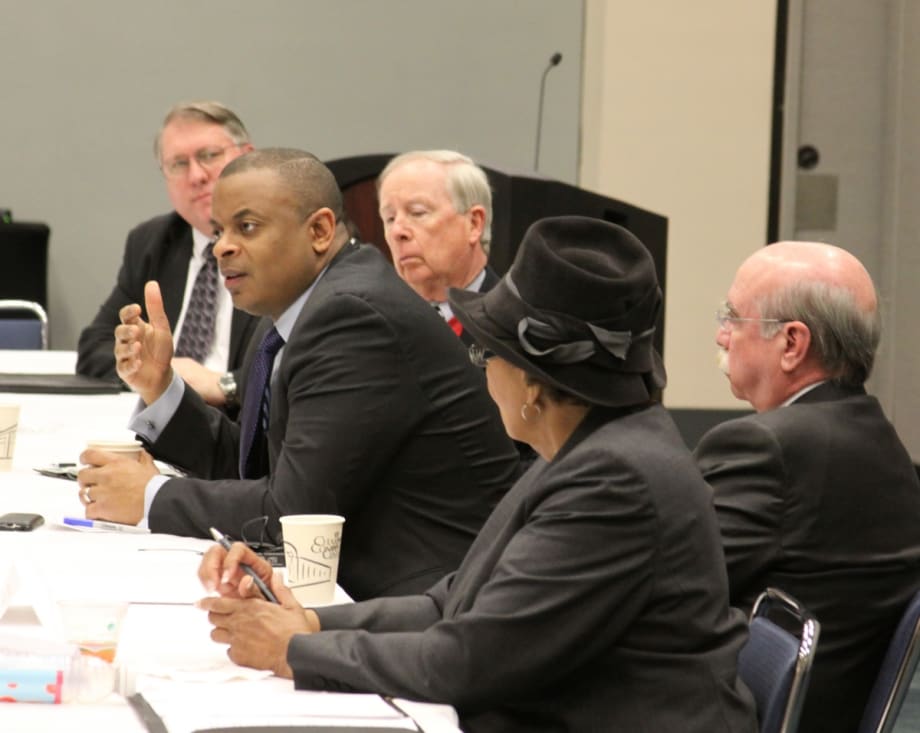

U.S. Transportation Secretary Anthony Foxx was joined by Vice President Joe Biden, Rep. Alma Adams (D-NC) and Charlotte Mayor Dan Clodfelter along a passenger and freight railroad corridor just north of Uptown Charlotte to highlight the need for increased investments in passenger rail and rail safety.
Foxx’s visit is part of a four-day, five-state bus tour, The GROW AMERICA Express, highlighting the importance of investing in America’s infrastructure and to encourage Congress to act on a long-term transportation bill.
“Transportation projects have stalled or stopped across the country due to the lack of funding certainty,” said Foxx. “Passenger rail is critical to a growing economy — it brings economic development, creates jobs and provides access to opportunity for residents in the surrounding community.”
The North Carolina Department of Transportation and the City of Charlotte are in the planning stages for the development of a new multi-modal transportation center — the proposed Charlotte Gateway Station. The station would replace the existing Amtrak station and serve intercity passenger rail, regional and local buses, as well as a proposed streetcar.
On February 2, the Obama Administration announced a plan to address the infrastructure deficit with a $478 billion, six-year surface transportation reauthorization proposal building on the GROW AMERICA Act, which the Administration first released last year. The plan makes critical investments in infrastructure needed to promote long-term economic growth, enhance safety and efficiency, and support jobs for the 21st century.
The GROW AMERICA Express will include visits to universities, manufacturers, bridges, freight facilities and highway projects in an effort to raise awareness of America’s infrastructure deficit. Foxx will visit with students, business leaders, transportation stakeholders and community residents, to discuss the projects that work, projects that are needed and to ask them to commit to standing up for a future with an American transportation system that is second-to-none.
To follow Foxx’s tour, click here.
More Management
People Movement: ABC Names John Walsh as Chief Commercial Officer
In this edition, METRO also covers recent appointments and announcements at the DART, STV, and more, showcasing the individuals helping to shape the future of transportation.
Read More →
From Surviving to Thriving: Building Stronger Transportation Organizations
Bus Business Consultants founder Brian Dickson shares lessons on leadership, organizational health, and creating options for long-term success in a changing transportation industry.
Read More →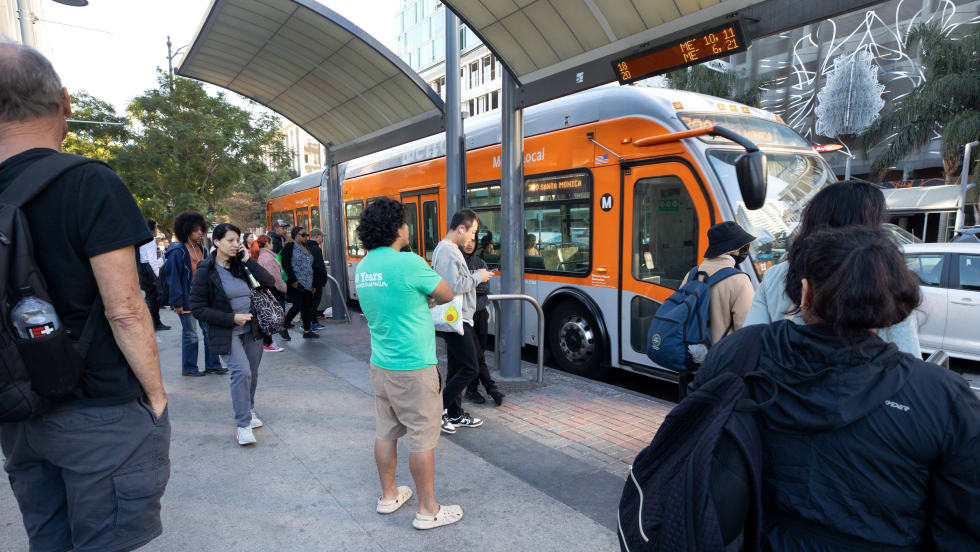
LA Metro Ridership Continues Growth as Rail Gains Accelerate
New rail connections and major events help drive continued ridership gains, with Metro recording its eighth consecutive month of year-over-year rail growth.
Read More →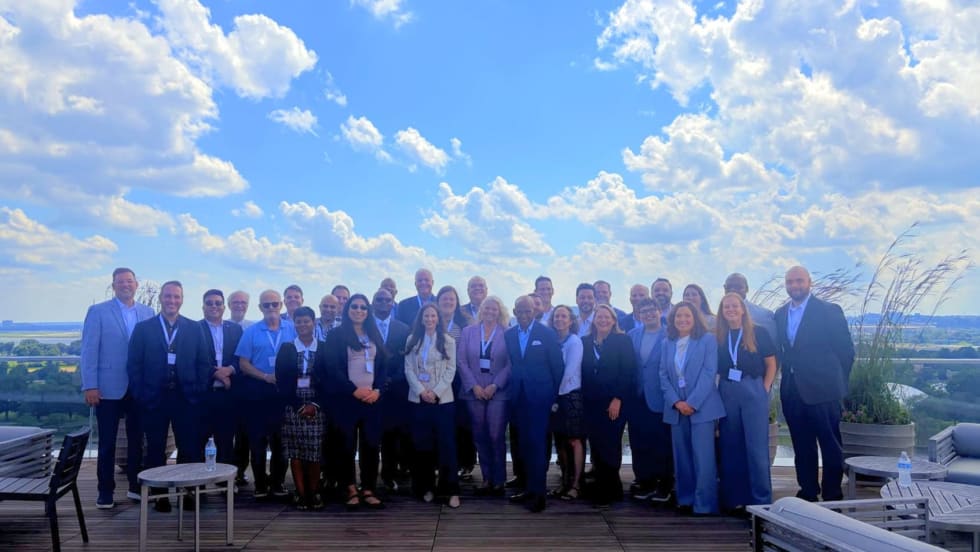
TransDASH Summit Focuses on Measuring What Matters in Transit
Transit agencies unveil a national performance platform designed to benchmark customer experience, safety, community value, and other outcomes.
Read More →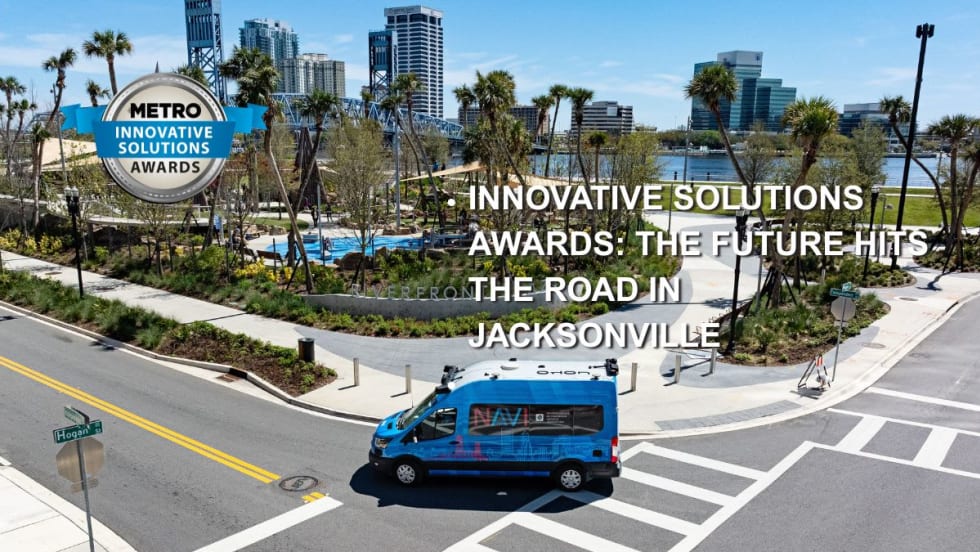
Jacksonville’s NAVI Project Charts a New Course for Autonomous Public Transportation
Through its NAVI program, JTA is showing how autonomous vehicles, intelligent infrastructure, and coordinated operations can work together to deliver everyday public transportation.
Read More →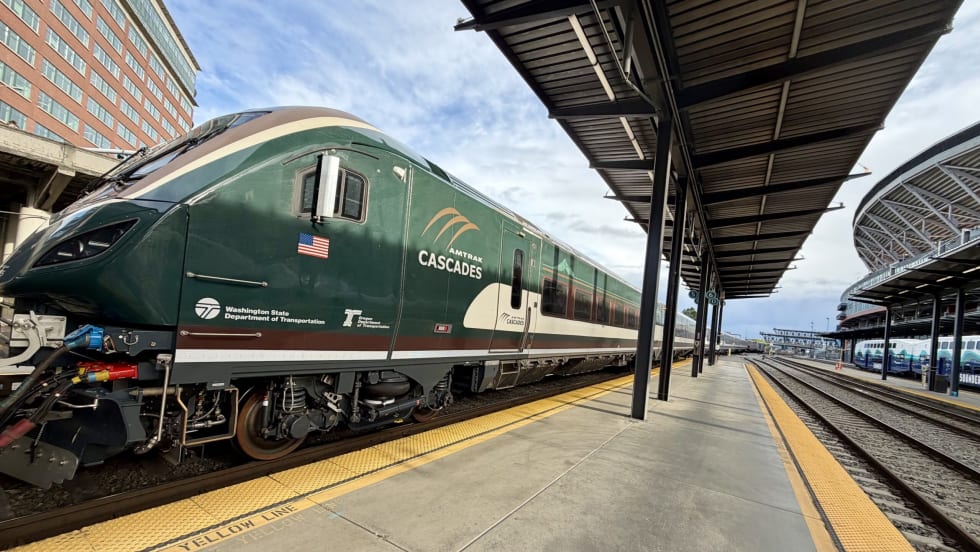
FRA Announces $5.3B in Rail Investments, Including $2B for Amtrak
Funding will support grade-crossing improvements, infrastructure upgrades, and new Amtrak equipment in 23 states.
Read More →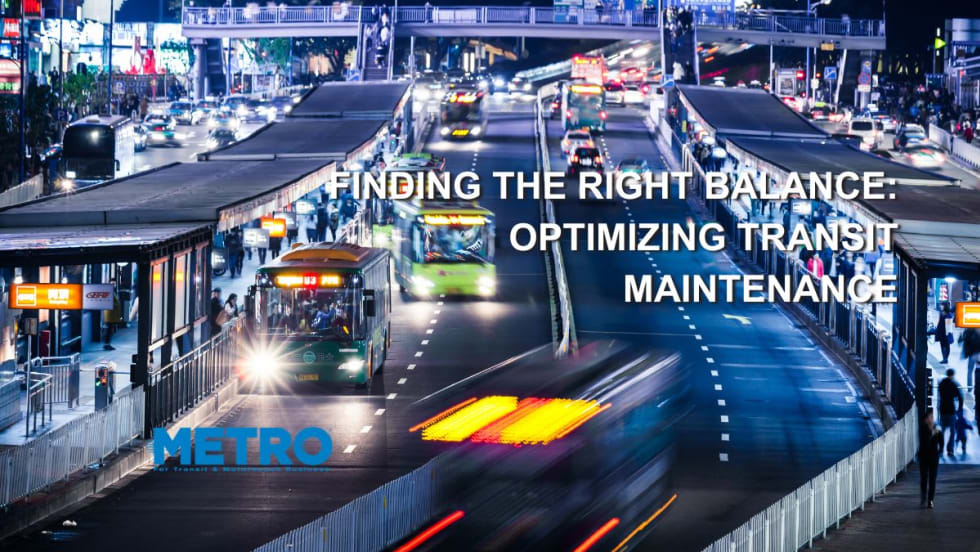
Finding the ‘Happy Medium’: Optimizing Maintenance Without Sacrificing Reliability
The key to maintenance optimization isn’t doing less work—it’s doing the right work at the right time on the right assets.
Read More →
People Movement: MARTA Drops Interim Tag on GM/CEO Hunt and More
In this edition, METRO covers recent appointments and announcements at the FMCSA, HDR, SilverRide, and more, showcasing the individuals helping to shape the future of transportation.
Read More →
VIA Metropolitan Transit Reports 2 Million More Passenger Trips as Better Bus Plan Gains Momentum
San Antonio's transit agency said accelerated service improvements are driving ridership growth, offering another example of how increased frequency and workforce investments can translate into stronger transit performance.
Read More →
ABAF Study Reveals Growing Insurance Crisis for Motorcoach Operators
Preliminary findings show 98% of operators faced premium increases over the past five years, while shrinking insurer participation is putting added pressure on businesses and customers.
Read More →