



FRA awards rail funds to Chicago, D.C., Georgia
Illinois DOT received more than $177 million for a passenger rail project between Chicago and the Quad Cities. Georgia DOT was awarded $4.1 million to complete plans and an environmental study for a 250-mile passenger rail corridor between Atlanta and Charlotte, N.C., and the D.C. DOT received $2.9 million for potential bridge replacement.

The Illinois Department of Transportation was awarded more than $177 million in federal funding for a passenger rail project that will operate twice daily round-trip service between Chicago and the Quad Cities and put nearly 2,000 Americans back to work this spring.
The start of twice daily round-trip service between Chicago and the Quad Cities, with intermediate stops at Geneseo, Princeton, Mendota, and Plano, Ill., will be made possible by infrastructure improvements, including a new station at Geneseo, a layover facility in the Quad Cities area, communication and signaling improvements and the purchase of new passenger rail equipment.
The introduction of next-generation American-made trains, funded as part of previously announced grants totaling $782 million, will help reinvigorate domestic manufacturing. States will purchase 36 quick-acceleration locomotives and 130 bi-level passenger cars to operate in Illinois as well as Indiana, Michigan, Iowa, Missouri, California, Washington and Oregon.
Additionally, the Georgia Department of Transportation (GDOT) received a $4.1 million grant from the U.S. DOT to complete a service development plan and environmental study for a 250-mile passenger rail corridor between Atlanta and Charlotte, N.C. GDOT is contributing $1.125 million for this phase of the project. GDOT recently announced a new multi-modal passenger terminal in downtown Atlanta, which is being designed to accommodate high-speed rail service.
The District of Columbia Department of Transportation received $2.9 million to evaluate alternatives for rehabilitation or replacement of the Long Bridge over the Potomac River. The bridge, more than 100 years old, is the sole railroad bridge between Virginia and Washington, carrying approximately 90 passenger and freight trains daily. Rail service over the Long Bridge is expected to grow to nearly 150 trains per day in the next 20 years. CSX, the company that owns the bridge, will contribute $100,000 to the study.
States in the Southeast High-Speed Rail Corridor have received nearly $581 million to develop high-speed rail service in the region. Most recently, Virginia received $44.3 million for environmental analysis and preliminary engineering for the segment between Washington and Richmond. North Carolina received $4 million for environmental and design work for the construction of a new connection between Raleigh and Richmond that could reduce travel time by one hour and 30 minutes from the current schedule.
More Rail
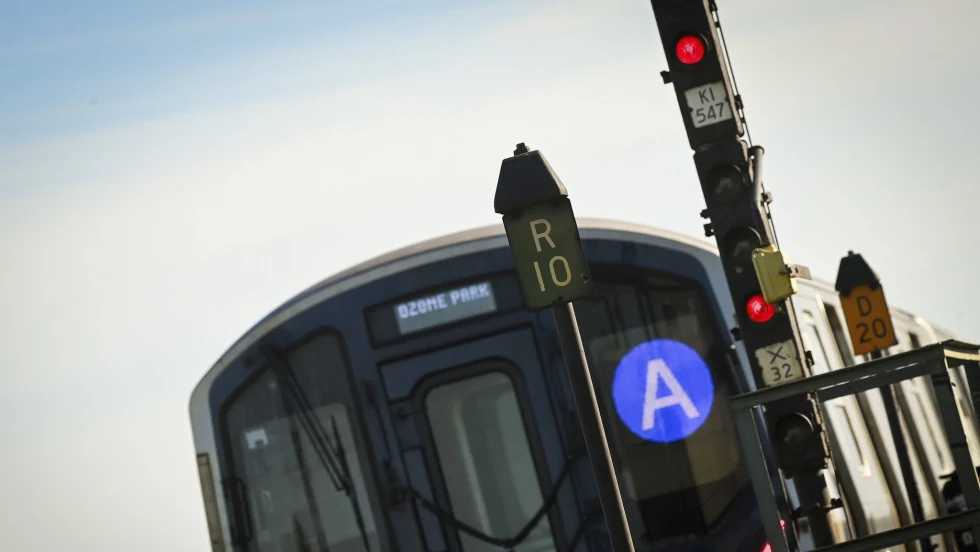
New York MTA Launches Historic $1.9B Signal, Track Modernization Project
Funded in part by congestion pricing revenue, the project will replace nearly century-old signals along the A and C lines in Brooklyn and Queens.
Read More →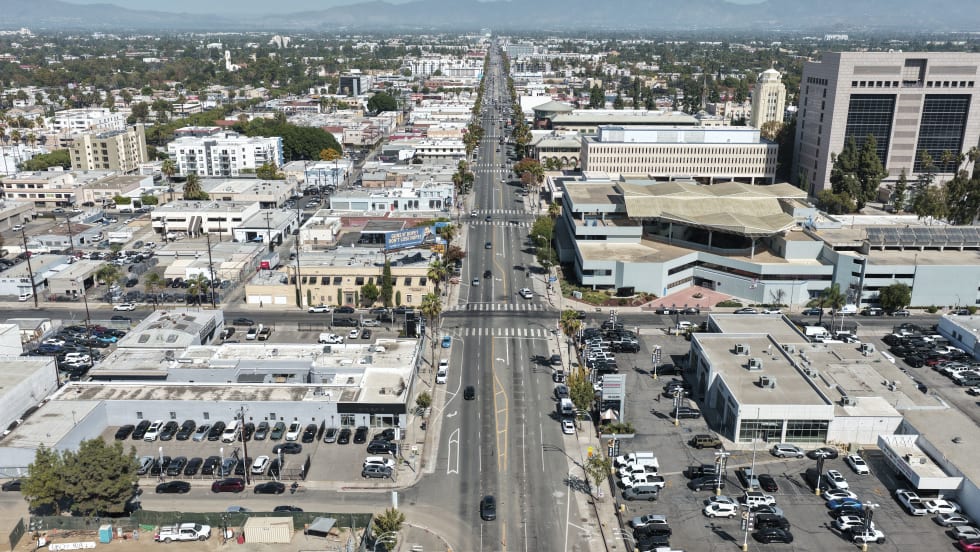
LA Metro Breaks Ground on East San Fernando Valley Light Rail Project
The 6.7-mile line will add 11 stations along Van Nuys Boulevard, expand access to jobs and regional transit connections, and support Metro’s broader efforts to improve mobility as rail ridership grows.
Read More →
CSA Group Releases Climate Resilience Standard for Transit, Passenger Rail
Developed with support from the Standards Council of Canada, CSA D700 guides assessing climate-related risks and planning adaptation measures for transit and passenger rail systems.
Read More →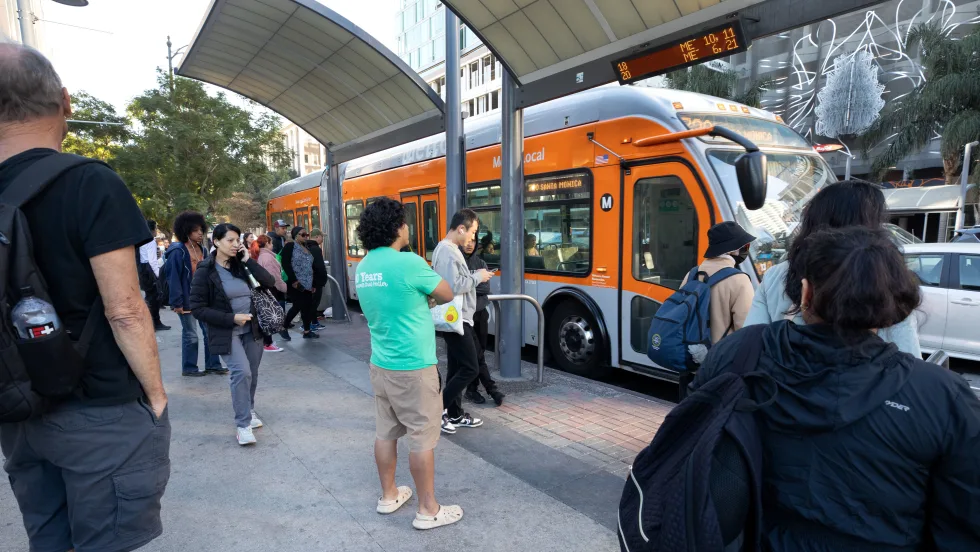
LA Metro September Ridership Climbs 3.9%, Led by Rail Growth
The agency recorded more than 27.2 million boardings, with rail ridership increasing 12.4% year over year and the D Line posting the largest gains.
Read More →
First Full MetroLink Rail Expansion Completed in 20 Years with $192M Airport Project
The project links two St. Louis-area airports by light rail while adding roadway and bike trail connections to improve regional access and mobility.
Read More →
Utilimarc Launches SmartReplace to Optimize Fleet Replacement Decisions
AI-powered SmartReplace helps fleets prioritize vehicle replacements, model budget scenarios, and build more defensible long-term strategies.
Read More →
Scenes from APTA TRANSform & EXPO 2026
Transit leaders, manufacturers, and industry professionals gathered in Chicago to explore new technologies, share ideas, and discuss the future of public transportation.
Read More →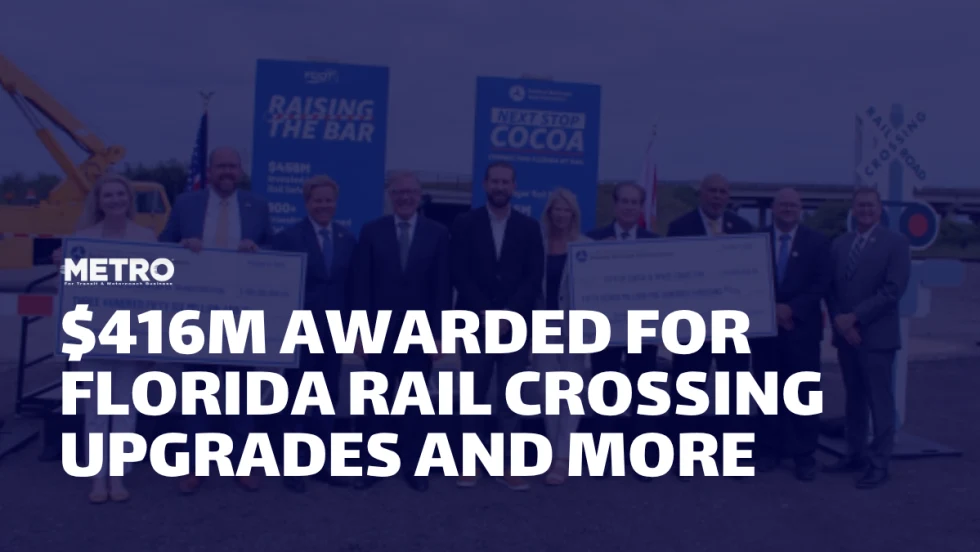
USDOT Awards $416 Million for Florida Rail Crossing Safety Upgrades, New Brightline Station
The projects aim to reduce risks for motorists and pedestrians at rail crossings while expanding passenger rail access along Florida’s Space Coast.
Read More →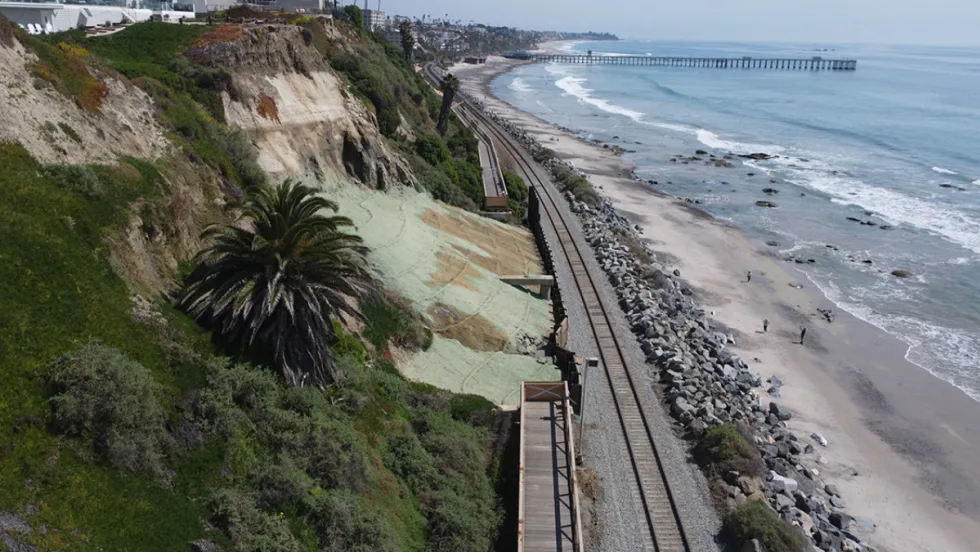
OCTA Declares Emergency to Protect Rail Corridor From Coastal Erosion
The California agency is accelerating shoreline protection and plans to place approximately 690,000 cubic yards of sand along the San Clemente coast to protect a key passenger and freight rail link.
Read More →
More Than a Summer Job: Building the Next Generation of Transit Talent
The Delaware River Port Authority and PATCO have transformed their internship program into a hands-on professional development experience that introduces students to the breadth of transportation careers — and creates a pipeline for future employees.
Read More →