



FRA Issues Final Rule on Train Crew Size Safety
The new rule enhances safety in the rail industry by generally requiring and emphasizing the importance and necessity of a second crewmember on all trains.


The final rule closes the loophole by establishing minimum standards and a federal oversight process to empower communities and railroad workers to make their voices heard by allowing for public input during FRA’s decision-making process on whether to grant special approval for one-person train crew operations.
Photo: FRA/METRO
Secretary Pete Buttigieg announced that the Federal Railroad Administration (FRA) has issued a final rule establishing minimum safety requirements for the size of train crews.
The new rule enhances safety in the rail industry by generally requiring and emphasizing the importance and necessity of a second crewmember on all trains.
“Common sense tells us that large freight trains, some of which can be over three miles long, should have at least two crew members on board — and now there’s a federal regulation in place to ensure trains are safely staffed,” said Buttigieg. “This rule requiring safe train crew sizes is long overdue, and we are proud to deliver this change that will make workers, passengers, and communities safer.”
Second Crewmember Ruling
A second crewmember performs important safety functions that could be lost when reducing crew size to a single person. Without the final rule, railroads could initiate single-crew operations without performing a rigorous risk assessment, mitigating known risks, or even notifying FRA.
The final rule closes the loophole by establishing minimum standards and a federal oversight process to empower communities and railroad workers to make their voices heard by allowing for public input during FRA’s decision-making process on whether to grant special approval for one-person train crew operations.
In finalizing the rule, FRA reviewed and considered over 13,500 written comments received during the 146-day comment period — in addition to the testimony from a one-day public hearing.
FRA’s Final Rule
The final rule codifies train crew staffing rules at a federal level, ensuring that freight and passenger rail operations are governed by consistent safety rules in all states. This is an on-going issue as Ohio, Virginia, and Colorado, among others, have recently considered legislation to require two-person rail crews.
In addition, the final rule contains some differences from the initial notice of proposed rulemaking in how it treats freight railroads, especially Class II and III freight railroads. In limited cases, the rule permits exceptions for smaller railroads to continue or initiate certain one-person train crew operations by notifying FRA and complying with new federal safety standards.
The final rule builds on the Administration’s actions to improve the safety of the country’s railways by deploying funding from the Bipartisan Infrastructure Law, holding railroads accountable, raising rail safety standards, and supporting first responders and rail workers.
More Security and Safety

Transit Agencies Highlight Safety Gains at National Summit
Leaders from 15 major transit systems shared crime-reduction results and safety initiatives while discussing the role of continued federal support.
Read More →
DART Launches Major Security, Fare Enforcement Initiative
The 90-day demonstration will deploy coordinated security teams at five light rail stations while testing controlled access and gathering data to guide future investments.
Read More →
RTD Launches NextRide App to Consolidate Trip Planning, Fares, Security Reporting
The app expands on RTD’s existing NextRide web application and allows customers to view real-time vehicle locations and service alerts, purchase and store digital fares, and access customer support.
Read More →
TAPTCO Updates OSHA Compliance Training for Transit Maintenance Operations
The revamped program addresses 26 OSHA standards for maintenance facilities, with TAPTCO pointing to training, documentation, and everyday shop hazards as continuing challenges for transit operations.
Read More →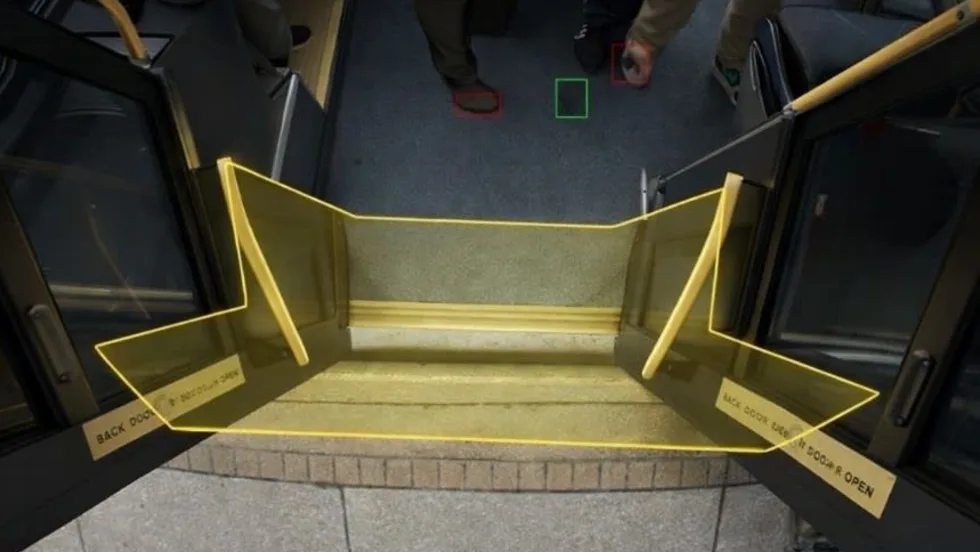
How VaporVision Adds Value to Transit Door Systems
Wabtec engineers explain how the system improves doorway detection, strengthens diagnostics and gives transit agencies and OEMs greater operating flexibility.
Read More →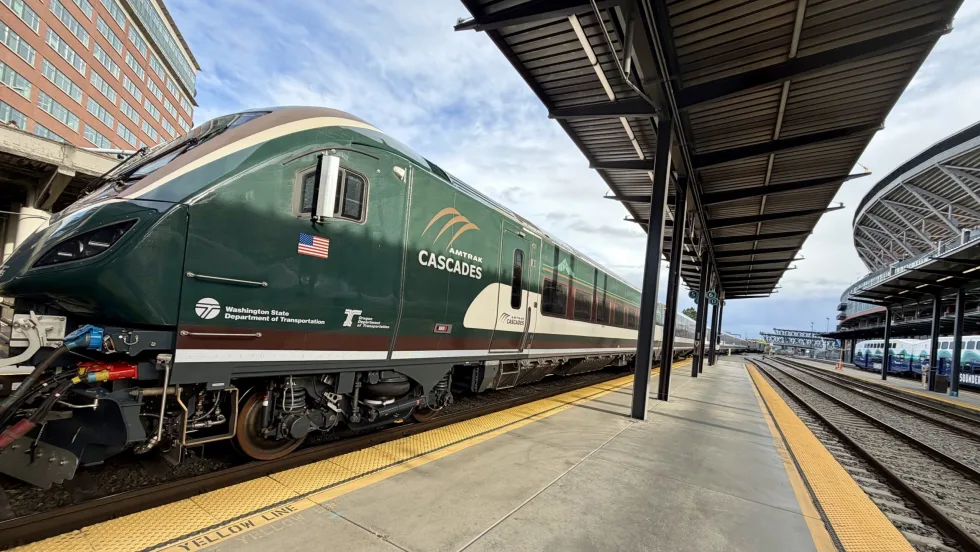
FRA Announces $5.3B in Rail Investments, Including $2B for Amtrak
Funding will support grade-crossing improvements, infrastructure upgrades, and new Amtrak equipment in 23 states.
Read More →
Chicago, Maryland Expand Non-Law-Enforcement Safety, Rider Support
The CTA and MTA are launching new programs aimed at de-escalation, crisis response, rider assistance, and greater transparency.
Read More →
LA Metro, City of West Hollywood, and Partners Advance Smarter Bus Lane Enforcement
The award-winning partnership combines AI-powered detection with human oversight to improve bus reliability, accessibility, and enforcement efficiency.
Read More →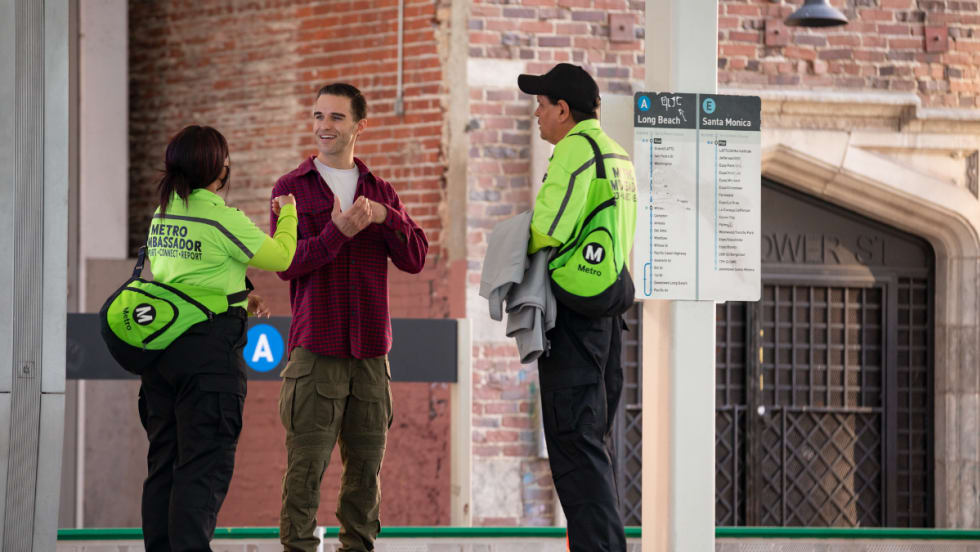
LA Metro Reports 57% Decline in Homelessness on Transit System Since 2024
The agency's latest homelessness count offers new data on how care-based services and cross-sector partnerships can complement traditional transit security strategies.
Read More →
FTA Launches 'Transit Moves America' Dashboard to Highlight Agency Safety and Performance
The online dashboard transforms National Transit Database information into a public-facing resource that allows users to compare transit agencies on key operational and safety metrics.
Read More →