



FRA issues rail safety advisory
Goal is to raise awareness and ensure universal compliance with safety rules that protect employees who must physically place themselves between rolling equipment in the normal course of their work. Recommendations include ensuring the use of sound communication protocols to notify employees when going between two pieces of rolling equipment.

To help prevent injuries and fatalities from employees working between railcars during switching operations and other dangerous or unsafe workplace behaviors, the Federal Railroad Administration (FRA) issued a safety advisory to the railroad industry.
In recent months, the railroad industry has experienced three employee fatalities that occurred when employees were between rolling equipment. Over the last two years, two additional employee fatalities have occurred in the same circumstances. As a result, the FRA is issuing a Safety Advisory to raise awareness and ensure universal compliance with safety rules that protect employees who must physically place themselves between rolling equipment in the normal course of their work.
While the railroad industry and its employees have long recognized the need to take adequate safety precautions and remain alert at all times, recent incidents indicate that the workers involved either did not have enough room or time to avoid moving equipment, or were unaware that equipment was in motion.
The Safety Advisory reinforces to railroads and their employees the critical importance of following key operating procedures when going between rolling equipment.
Highlights of the recommendations contained in the Safety Advisory include reviewing and revising existing switching operation safety rules as needed, ensuring the use of sound communication protocols to notify employees when going between two pieces of rolling equipment, emphasizing the shared obligation and responsibility of managers and employees in following established rules and procedures, and encouraging heightened situational awareness and vigilance.
FRA Administrator Joe Szabo briefed several railroads and labor groups regarding the Advisory to engage them in the effort. Additionally, the Association of American Railroads is holding an industry focus day to reinforce the importance of safety rules compliance, which directly compliments FRA’s recommendations in this Safety Advisory.
In 1998, at FRA’s request, a voluntary group comprised of industry stakeholders was formed to examine and address safety hazards in the yard operating environment. The Switching Operations Fatality Analysis Working Group, as it came to be known, includes representatives from the Association of American Railroads, the American Short Line and Regional Railroad Association, the Brotherhood of Locomotive Engineers and Trainmen, and the United Transportation Union.
The Working Group has issued several reports, and notably five key “lifesaver tips,” which have been widely credited with bringing about tangible improvements in operating safety.
Click here to view a copy of the Safety Advisory.
More Rail
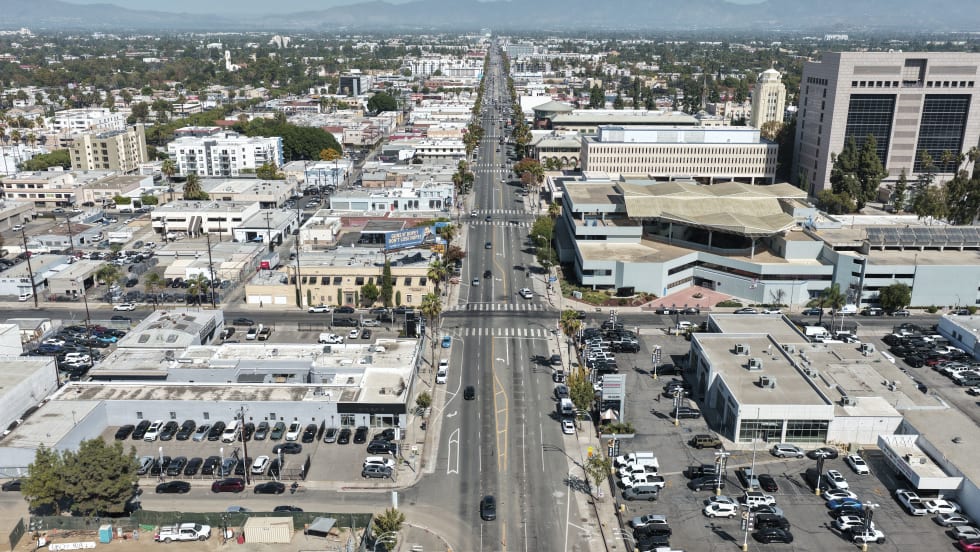
LA Metro Breaks Ground on East San Fernando Valley Light Rail Project
The 6.7-mile line will add 11 stations along Van Nuys Boulevard, expand access to jobs and regional transit connections, and support Metro’s broader efforts to improve mobility as rail ridership grows.
Read More →
CSA Group Releases Climate Resilience Standard for Transit, Passenger Rail
Developed with support from the Standards Council of Canada, CSA D700 guides assessing climate-related risks and planning adaptation measures for transit and passenger rail systems.
Read More →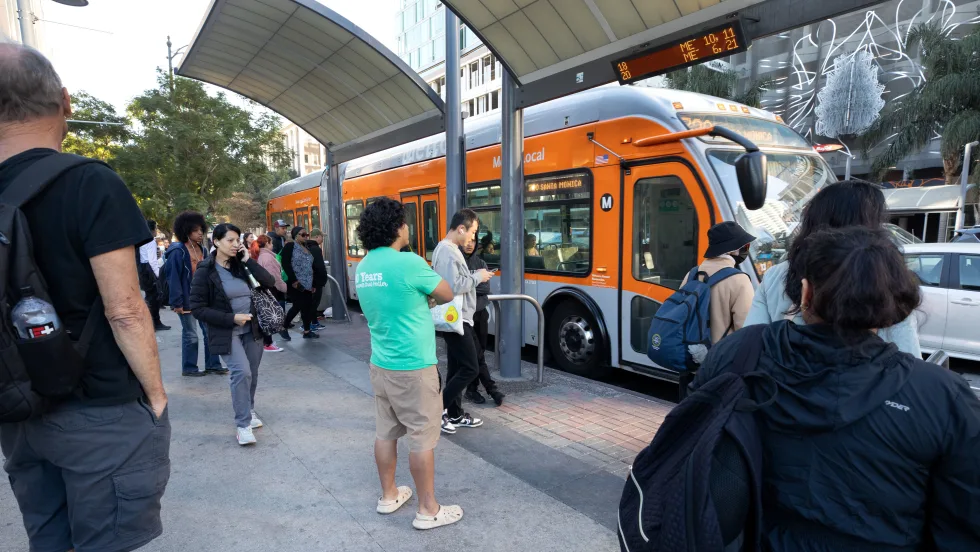
LA Metro September Ridership Climbs 3.9%, Led by Rail Growth
The agency recorded more than 27.2 million boardings, with rail ridership increasing 12.4% year over year and the D Line posting the largest gains.
Read More →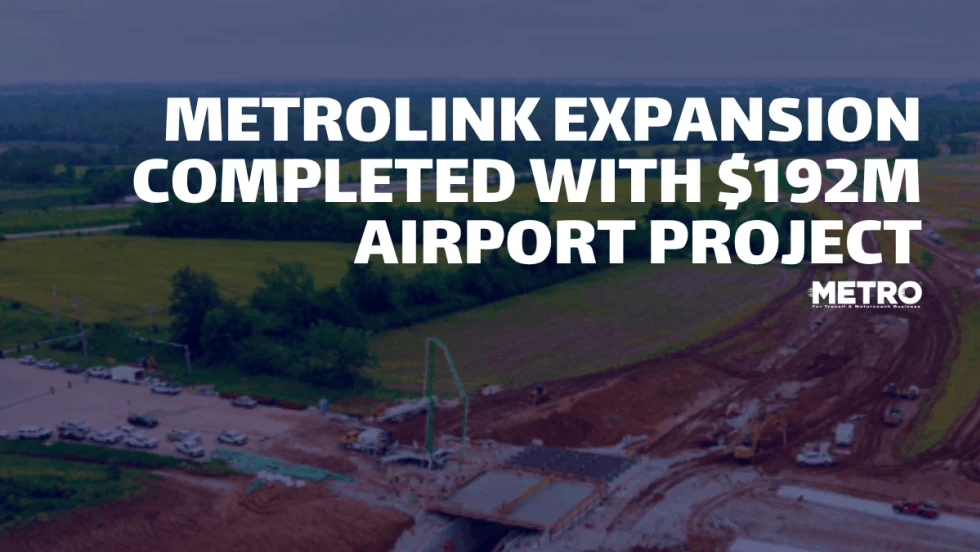
First Full MetroLink Rail Expansion Completed in 20 Years with $192M Airport Project
The project links two St. Louis-area airports by light rail while adding roadway and bike trail connections to improve regional access and mobility.
Read More →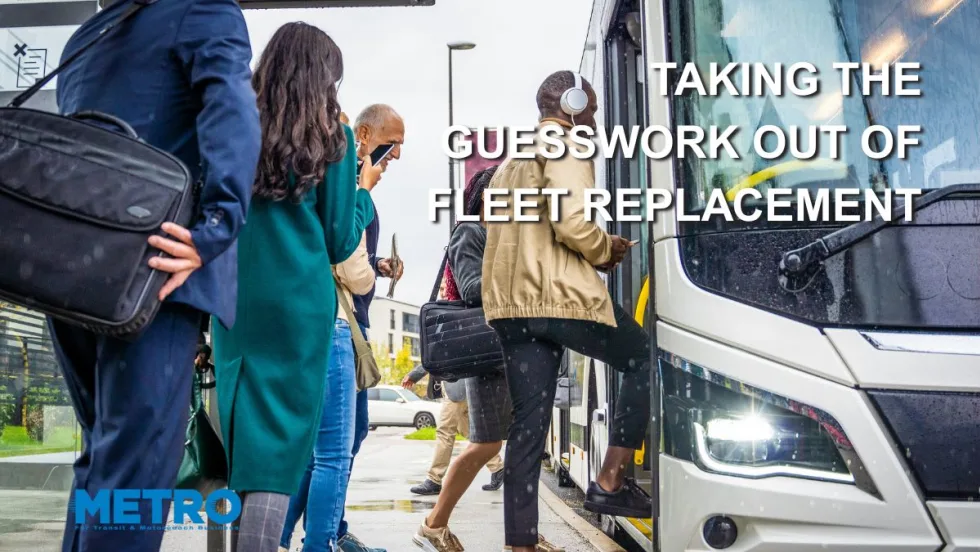
Utilimarc Launches SmartReplace to Optimize Fleet Replacement Decisions
AI-powered SmartReplace helps fleets prioritize vehicle replacements, model budget scenarios, and build more defensible long-term strategies.
Read More →
Scenes from APTA TRANSform & EXPO 2026
Transit leaders, manufacturers, and industry professionals gathered in Chicago to explore new technologies, share ideas, and discuss the future of public transportation.
Read More →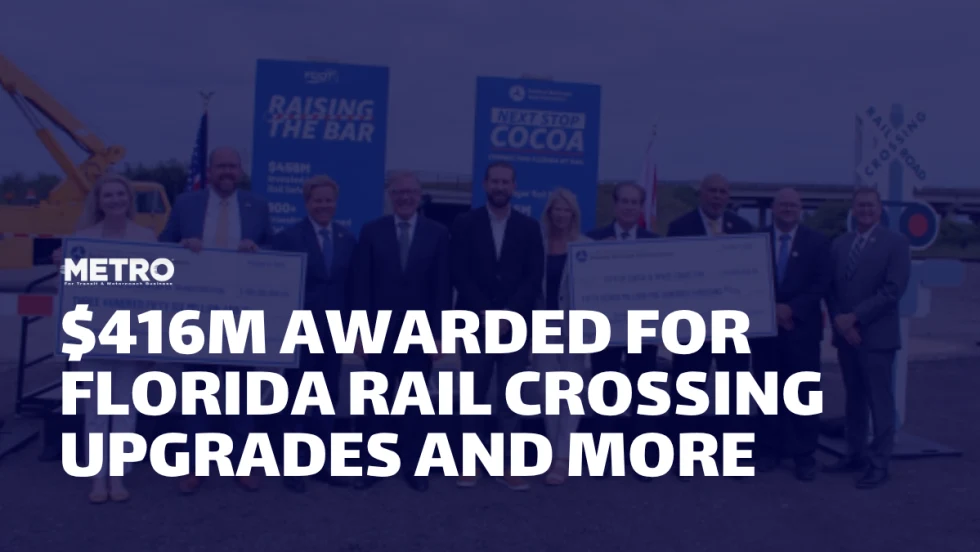
USDOT Awards $416 Million for Florida Rail Crossing Safety Upgrades, New Brightline Station
The projects aim to reduce risks for motorists and pedestrians at rail crossings while expanding passenger rail access along Florida’s Space Coast.
Read More →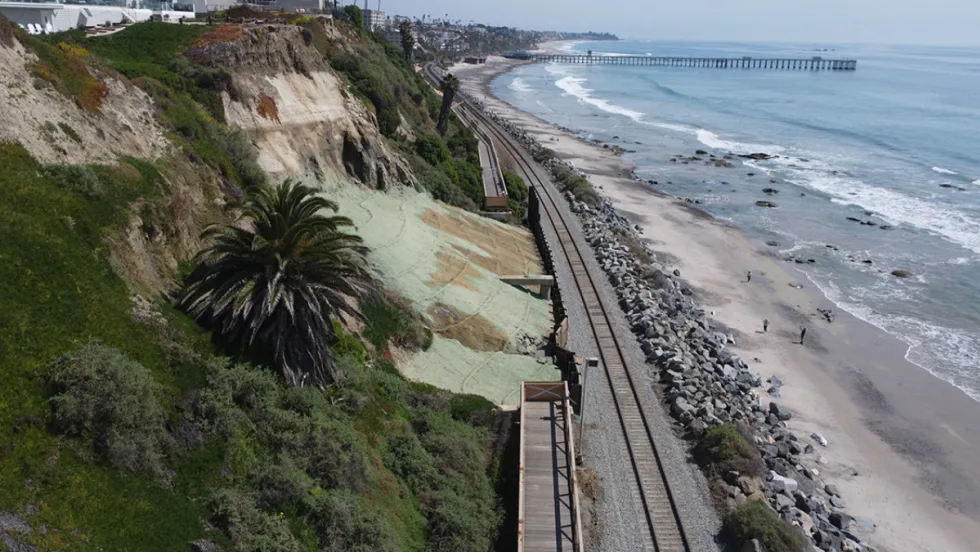
OCTA Declares Emergency to Protect Rail Corridor From Coastal Erosion
The California agency is accelerating shoreline protection and plans to place approximately 690,000 cubic yards of sand along the San Clemente coast to protect a key passenger and freight rail link.
Read More →
More Than a Summer Job: Building the Next Generation of Transit Talent
The Delaware River Port Authority and PATCO have transformed their internship program into a hands-on professional development experience that introduces students to the breadth of transportation careers — and creates a pipeline for future employees.
Read More →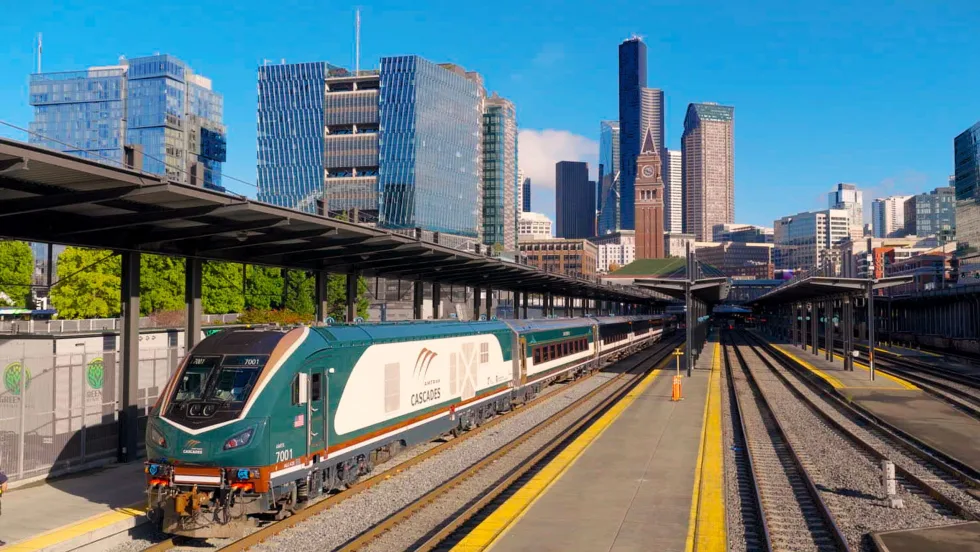
Airo Trains Make Their Amtrak Cascades Debut in the Pacific Northwest
Effective immediately, two cutting-edge Airo trainsets will join the Amtrak Cascades route, operating four daily trips between Vancouver, B.C., Seattle, Portland, and Eugene, Oregon, marking the first introduction of Airo trains into passenger service anywhere in the country.
Read More →