



FRA Publishes Final Rule Requiring Image Recording Devices on Passenger Trains
The FAST Act required the regulation, and the regulation also responds to a National Transportation Safety Board recommendation with the aim to enhance safety across the passenger rail industry.

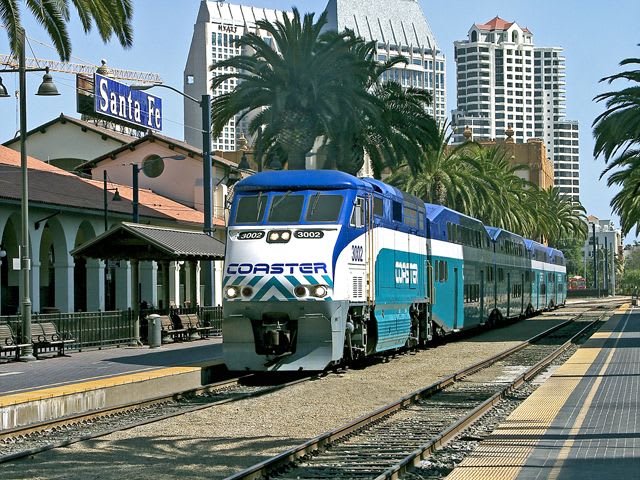
By leveraging the video recordings, passenger railroads can effectively identify areas of improvement and enhance overall safety.
NCTD
The Federal Railroad Administration (FRA) announced a final rule requiring the installation of inward- and outward-facing image recording devices on all passenger train lead locomotives providing scheduled intercity rail passenger or commuter service.
The FAST Act required this regulation, and the regulation also responds to a National Transportation Safety Board recommendation with the aim to enhance safety across the passenger rail industry.
The Final Rule
The final rule mandates that locomotive video recording devices must remain operational while the controlling locomotive of a passenger train is in motion. To ensure the integrity and accessibility of this footage, the rule stipulates that data captured must retain at least the last 12 hours of recorded footage and be stored in a crashworthy memory module. Since locomotive-mounted recording devices on passenger trains are categorized as "safety devices" tampering with or disabling of these vital recording systems is prohibited.
“While video recorders cannot directly prevent accidents, they help maintain a higher standard of safety,” said FRA Administrator Amit Bose. “In addition, these devices play a vital role in post-accident investigations, providing valuable evidence that helps us understand the circumstances leading to the accident and take appropriate action to prevent similar accidents in the future.”
The final rule also establishes guidelines for the utilization of passenger locomotive recordings for operational tests, allowing the evaluation of operating employees' compliance with applicable railroad operating rules and Federal regulations.
By leveraging the video recordings, passenger railroads can effectively identify areas of improvement and enhance overall safety. The implementation of these locomotive image and audio recording devices is a significant step forward in bolstering passenger rail safety and maintaining regulatory compliance.
While FRA does not require the installation and use of inward- and outward-facing recording devices in freight locomotives, it should be noted that they have been voluntarily installed by freight railroads on a widespread basis.
Further information on the final rule for Railroad Carriers to install Locomotive Image and Audio Recording Devices for Passenger Trains is published in the Federal Register.
More Security and Safety

Transit Agencies Highlight Safety Gains at National Summit
Leaders from 15 major transit systems shared crime-reduction results and safety initiatives while discussing the role of continued federal support.
Read More →
DART Launches Major Security, Fare Enforcement Initiative
The 90-day demonstration will deploy coordinated security teams at five light rail stations while testing controlled access and gathering data to guide future investments.
Read More →
RTD Launches NextRide App to Consolidate Trip Planning, Fares, Security Reporting
The app expands on RTD’s existing NextRide web application and allows customers to view real-time vehicle locations and service alerts, purchase and store digital fares, and access customer support.
Read More →

TAPTCO Updates OSHA Compliance Training for Transit Maintenance Operations
The revamped program addresses 26 OSHA standards for maintenance facilities, with TAPTCO pointing to training, documentation, and everyday shop hazards as continuing challenges for transit operations.
Read More →
How VaporVision Adds Value to Transit Door Systems
Wabtec engineers explain how the system improves doorway detection, strengthens diagnostics and gives transit agencies and OEMs greater operating flexibility.
Read More →
FRA Announces $5.3B in Rail Investments, Including $2B for Amtrak
Funding will support grade-crossing improvements, infrastructure upgrades, and new Amtrak equipment in 23 states.
Read More →
Chicago, Maryland Expand Non-Law-Enforcement Safety, Rider Support
The CTA and MTA are launching new programs aimed at de-escalation, crisis response, rider assistance, and greater transparency.
Read More →
LA Metro, City of West Hollywood, and Partners Advance Smarter Bus Lane Enforcement
The award-winning partnership combines AI-powered detection with human oversight to improve bus reliability, accessibility, and enforcement efficiency.
Read More →
LA Metro Reports 57% Decline in Homelessness on Transit System Since 2024
The agency's latest homelessness count offers new data on how care-based services and cross-sector partnerships can complement traditional transit security strategies.
Read More →
FTA Launches 'Transit Moves America' Dashboard to Highlight Agency Safety and Performance
The online dashboard transforms National Transit Database information into a public-facing resource that allows users to compare transit agencies on key operational and safety metrics.
Read More →