



FRA releases PTC implementation progress report
Due in large part to Amtrak’s significant progress on PTC, 41% of passenger railroads’ locomotives are now fully equipped with PTC technology, compared to 29% the previous quarter.

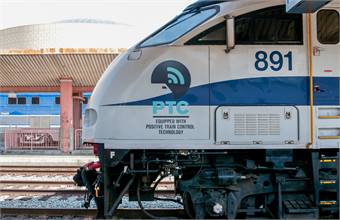
Metrolink
Metrolink
The Federal Railroad Administration (FRA) released a status update on railroads’ progress implementing positive train control (PTC) systems in the fourth quarter of 2016. The status update, based on railroad-submitted quarterly data, shows freight railroads continue to make consistent progress while passenger industry progress in installing and activating the life-saving technology only slightly increased.
The latest data, current as of Dec. 31, 2016, confirms freight railroads now have PTC active on just 16% of tracks required to be equipped with PTC systems — up from 12% last quarter. Passenger railroads made less progress — with a slight increase to 24% from 23%.
Due in large part to Amtrak’s significant progress on PTC, 41% of passenger railroads’ locomotives are now fully equipped with PTC technology, compared to 29% the previous quarter. Freight railroads’ percentage of locomotives fully equipped with PTC technology rose to 42%, up from 38%.
“We continue to closely monitor railroads’ progress implementing Positive Train Control,” said Patrick Warren, FRA Executive Director. “With less than two years remaining to complete the implementation process, it is imperative that railroads continue to meet implementation milestones.”
Congress requires Class I railroads and entities providing regularly scheduled intercity or commuter rail passenger transportation to implement PTC systems by Dec. 31, 2018. Only if some key implementation and installation milestones are met may railroads be eligible to obtain a limited extension to complete certain non-hardware, operational aspects of PTC system implementation no later than Dec. 31, 2020, subject to the Secretary of Transportation's approval.
More Security and Safety

CSA Group Releases Climate Resilience Standard for Transit, Passenger Rail
Developed with support from the Standards Council of Canada, CSA D700 guides assessing climate-related risks and planning adaptation measures for transit and passenger rail systems.
Read More →
San Diego MTS Approves New Fare Evasion Penalty Program
The new administrative process will move eligible violations out of the criminal court system, cap penalties at $125, and provide flexible payment options for riders.
Read More →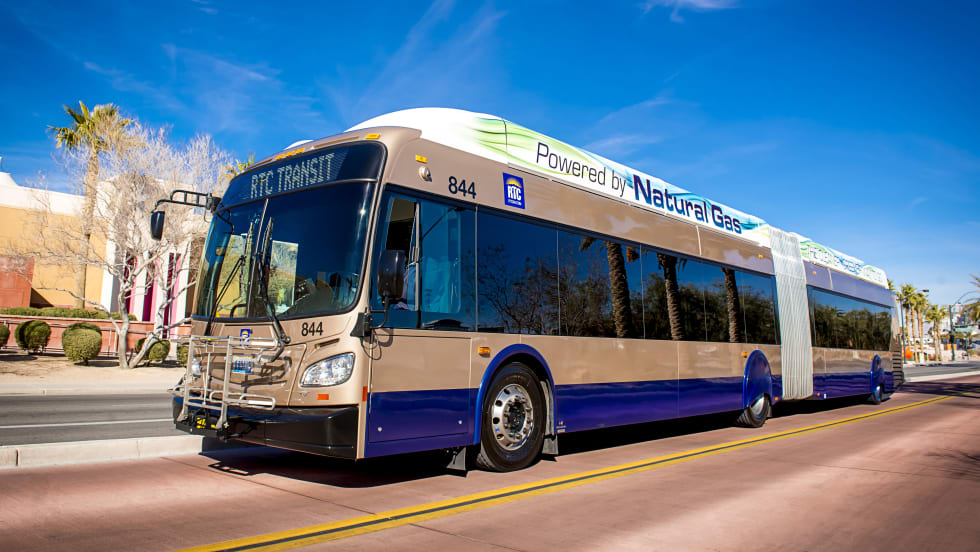
RTC of Southern Nevada Reports 29% Drop in Transit Operator Assaults
The agency credits expanded security measures, employee training, and technology investments for improvements in transit safety, while security officers have responded to 19 suspected overdoses since July.
Read More →
Public Transit Conference Returning to GFX in 2027, Call for Papers Now Open
The Call for Papers is now open, allowing transit agency professionals and industry experts to help shape the PTC educational program by submitting session ideas for consideration.
Read More →
Safe Transit Act Proposes New Security Requirements for Federal Transit Funding
Proposed legislation would link federal transit dollars to safety measures while requiring security investments, onboard cameras, and new fare collection standards.
Read More →
FTA Ends Direct Oversight of MBTA Safety Actions
The federal agency closed its remaining special directive to the Massachusetts Department of Public Utilities following a safety review that began in 2022.
Read More →
Transit Agencies Highlight Safety Gains at National Summit
Leaders from 15 major transit systems shared crime-reduction results and safety initiatives while discussing the role of continued federal support.
Read More →
DART Launches Major Security, Fare Enforcement Initiative
The 90-day demonstration will deploy coordinated security teams at five light rail stations while testing controlled access and gathering data to guide future investments.
Read More →
RTD Launches NextRide App to Consolidate Trip Planning, Fares, Security Reporting
The app expands on RTD’s existing NextRide web application and allows customers to view real-time vehicle locations and service alerts, purchase and store digital fares, and access customer support.
Read More →
TAPTCO Updates OSHA Compliance Training for Transit Maintenance Operations
The revamped program addresses 26 OSHA standards for maintenance facilities, with TAPTCO pointing to training, documentation, and everyday shop hazards as continuing challenges for transit operations.
Read More →