



FRA Rule Establishes Metrics to Measure Intercity Passenger Rail Performance, Service Quality
The final rule requires Amtrak and its host railroads to certify Amtrak schedules, and sets an on-time performance minimum standard of 80% for any two consecutive calendar quarters.
The Federal Railroad Administration (FRA) published a final rule setting forth metrics and a minimum standard to measure the performance and service quality of Amtrak intercity passenger train operations, including metrics relating to on-time performance and train delays, customer service, financial, and public benefits. The final rule requires Amtrak and its host railroads to certify Amtrak schedules, and sets an on-time performance minimum standard of 80% for any two consecutive calendar quarters.
Other metrics that FRA defines in the final rule include ridership, train delays, station performance, and host running time.
“This final rule is a major accomplishment for this Administration and a huge victory for the traveling public,” Administrator Ronald L. Batory said. “When I personally met with the leaders of Amtrak and the nation’s largest freight railroads earlier this year, I impressed upon them the need for the traveling public to have reliable passenger rail service, and the Administration’s final rule reflects a commitment to improving Amtrak’s performance in the modern-day freight rail environment.”
The final rule’s singular on-time performance standard gives customers, Amtrak, the host railroads, and other stakeholders a method to objectively gauge Amtrak trains. “Everyone relying on one standard means that when problems arise, we can all speak the same language to work toward a common goal,” Batory said.
After issuing the Notice of Proposed Rulemaking in March, FRA hosted a telephonic hearing on April 30 and received more than 320 written comments in response to the proposed rulemaking.
“There are a lot of voices and perspectives in this conversation,” Batory said. “We’ve listened and worked diligently to create the best solution for all.”
The view final rule, click here.
More Rail
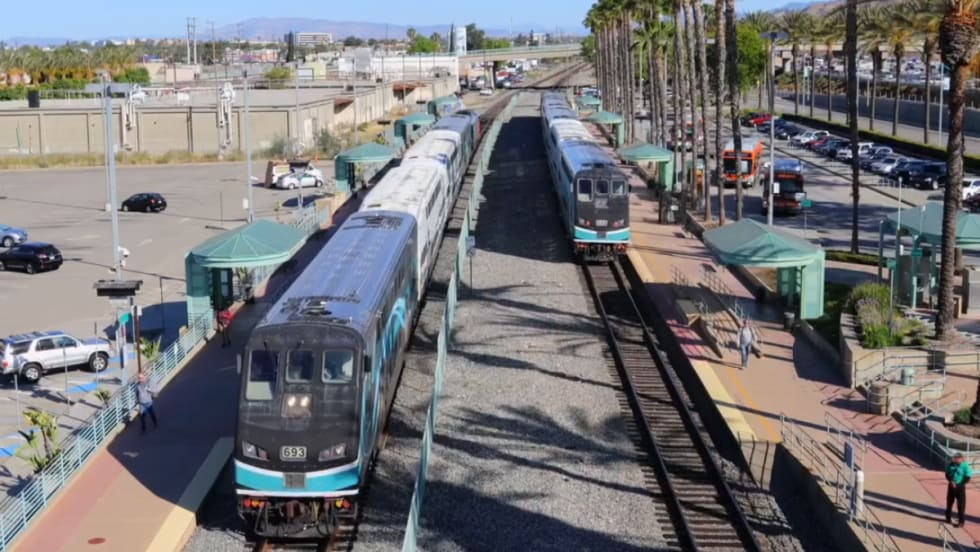
Southern California’s Metrolink Approves $508.8M Budget, Avoids Service Cuts
A $20 million state allocation allows the regional rail agency to maintain existing weekday and weekend service through fiscal year 2028, although longer-term funding challenges remain.
Read More →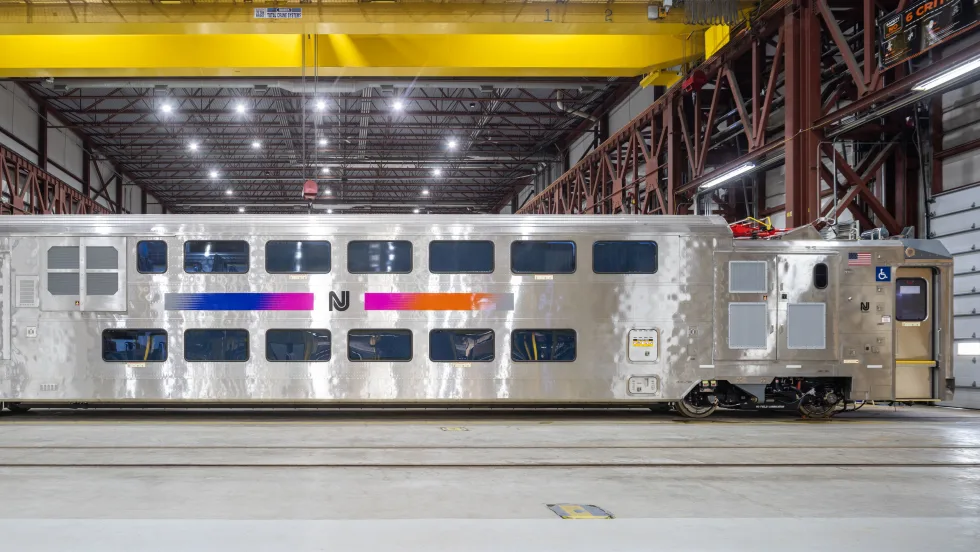
NJ TRANSIT Approves $65.6M for Hudson-Bergen Light Rail Improvements
The funding marks the first phase of a planned $250 million investment over five years to modernize stations, overhaul vehicles, and improve system reliability and passenger safety.
Read More →
STraffic Expands North American Presence with Fare Collection Technology
John Moon, Associate Director, Product Strategy at STraffic, discusses the company's growth in North America, its efforts to reduce fare evasion, and more.
Read More →
Study: Denver RTD Generates $2.1 Billion in Annual Economic Activity
An economic impact study finds the agency supports approximately 17,500 jobs, delivers $1.6 billion in annual community and mobility benefits, and generates $2.42 in economic value for every dollar invested.
Read More →
Mark Aesch Nominated to Lead Federal Transit Administration
The former Rochester transit chief and TransPro founder, who has also contributed to METRO Magazine, brings decades of industry experience and a focus on performance, accountability, and financial sustainability to the nomination.
Read More →
Transit Expands Agency Partnerships, Reaching 200 Official App Partners
COO Jake Sion discusses Transit’s growth, the success of its Transit Royale program, and how technology is helping agencies improve the rider experience.
Read More →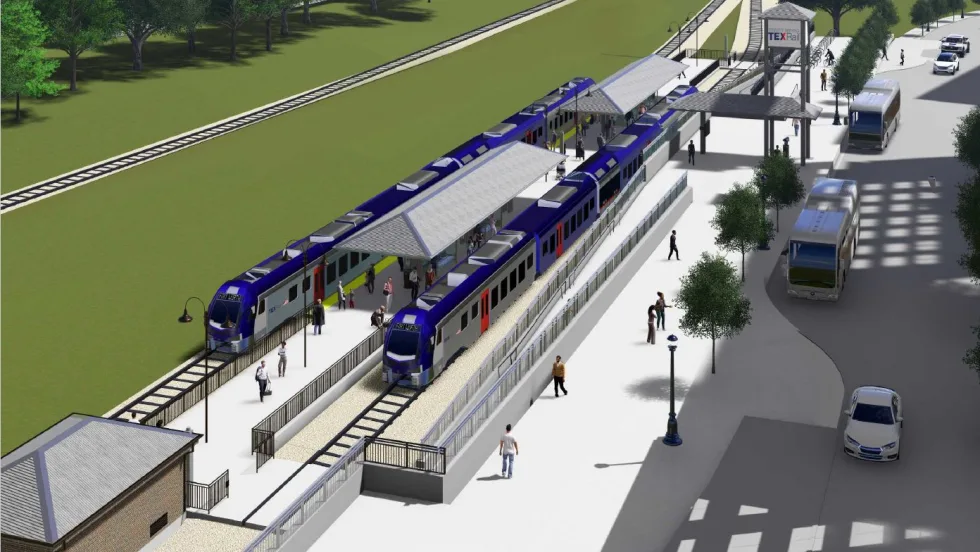
Trinity Metro Breaks Ground on $270M TEXRail Extension
The 2.1-mile extension will connect Fort Worth’s Medical District and Near Southside to downtown, surrounding communities, and Dallas-Fort Worth International Airport.
Read More →
Bringing Austin’s First Light Rail System to Life
Austin Transit Partnership CEO Greg Canally discusses the city's nearly 10-mile light rail project, its collaborative approach to project delivery, the importance of community engagement, and the milestones ahead as construction approaches in 2027.
Read More →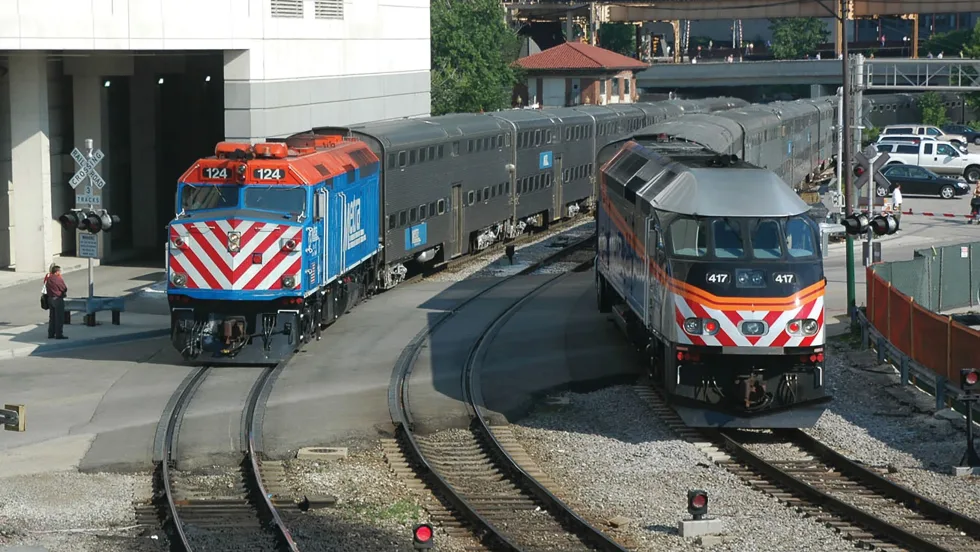
Metra Draft Plan Outlines Costs, Service Improvements for Regional Rail
The Systemwide Network Plan identifies infrastructure needs and potential investments to expand all-day, bidirectional rail service across the Chicago region.
Read More →
Amtrak Completes First Street Tunnel Upgrades, Restores Service
The nine-day construction project included replacing aging track infrastructure and modernizing switch systems near Washington Union Station.
Read More →