




Keep Reading: Leadership Doesn’t Come from Titles
From Rules to Reflexes: TAPTCO’s New Safety Leadership Program
Built on the ABC model and decades of NORMS training, the course helps transportation supervisors turn safe behaviors into habits with a standardized safety culture.
December 17, 2025
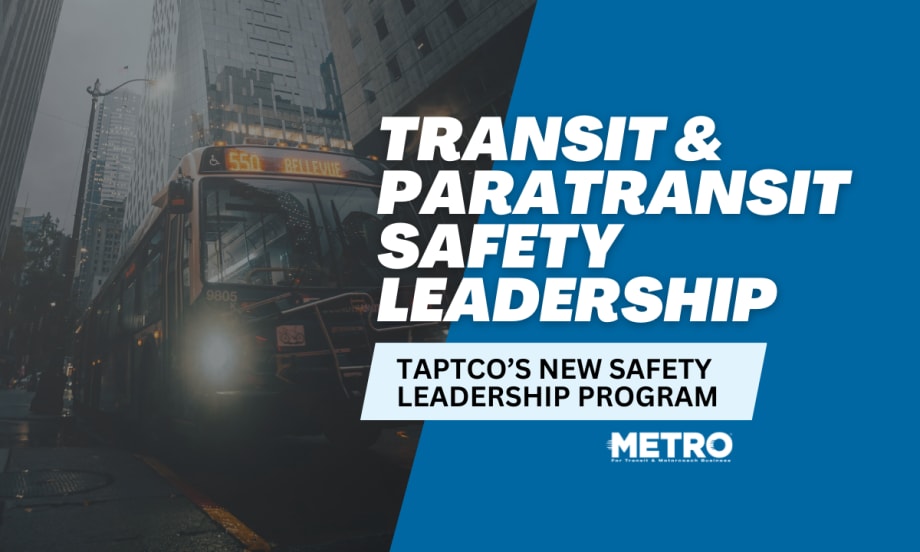
The Safety Leadership course is now being used by a growing list of operators and agencies across transit and paratransit.
Photo: Josh Hild/METRO
3 min to read
A longtime transit safety training provider is expanding its catalog with a new product aimed not at drivers, but at the people who coach them.
The Transit & Paratransit Company (TAPTCO) has launched a Safety Leadership course, a two-hour course designed to help transportation supervisors and managers build safety habits through consistent, behavior-based training.
The program is now being used by a growing list of operators and agencies across transit and paratransit, according to the company’s founder and president, Jeff Cassell. The course is built around a simple premise, that safe operations depend on automatic habits, not just rules.
“NORMS are the way people act, automatically, without thinking,” Cassell says. “If you can instill into the drivers the desired NORMS, like maintaining a four-second following distance, they will automatically operate safely.”
Reinforcing Safety NORMS Through Leadership
TAPTCO has identified 18 core NORMS for transit and paratransit, practices the company has taught for nearly 20 years and embedded in its Safety Management System materials.
What’s new in the Safety Leadership program is how those NORMS are reinforced. The course trains leaders to use the “ABC model” of human behavior, which is categorized as antecedents, behaviors, and consequences, to shape safe decisions from day one.
In practice, that means setting expectations at hiring, repeating them during onboarding and behind-the-wheel training, and consistently cueing and rewarding safe actions until they become routine. Cassell describes these “formalized antecedents” as the missing piece in many safety programs, helping prevent unsafe habits before they harden into culture.
The Safety Leadership course also plugs into TAPTCO’s wider safety ecosystem, including its “Trifecta of Safety” framework and a Safety Reminder Series of short, five to eight-minute refresher videos that reinforce required NORMS year-round. Cassell said the company can expand that library as new operational risks or technologies emerge, keeping training continuous rather than one-and-done.
What Fleets Are Saying About Safety Leadership
Early feedback suggests the approach is resonating. Ohio Transit Risk Pool praised the course for showing how leadership shapes a culture in which safety is a shared responsibility, rating it 10 out of 10.
Additional reviews from agencies and safety leaders described the program as current, relevant, and practical for supervisors who need to consistently coach safe performance, not just correct problems after the fact.
With more fleets facing driver shortages, rising claims costs, and increasing public scrutiny, TAPTCO is positioning the Safety Leadership program to standardize safe behavior across locations and reduce incidents through proactive coaching. The company noted that their legacy NORMS-based training is used by large agencies and is intended to ensure frontline leaders have the tools to sustain those behaviors long after the initial training period.
The intent is in the vision: Do it right the first time, every time.
Learn more here, or fill out a course preview request.
More Security and Safety

Transit Agencies Highlight Safety Gains at National Summit
Leaders from 15 major transit systems shared crime-reduction results and safety initiatives while discussing the role of continued federal support.
Read More →
DART Launches Major Security, Fare Enforcement Initiative
The 90-day demonstration will deploy coordinated security teams at five light rail stations while testing controlled access and gathering data to guide future investments.
Read More →
RTD Launches NextRide App to Consolidate Trip Planning, Fares, Security Reporting
The app expands on RTD’s existing NextRide web application and allows customers to view real-time vehicle locations and service alerts, purchase and store digital fares, and access customer support.
Read More →
TAPTCO Updates OSHA Compliance Training for Transit Maintenance Operations
The revamped program addresses 26 OSHA standards for maintenance facilities, with TAPTCO pointing to training, documentation, and everyday shop hazards as continuing challenges for transit operations.
Read More →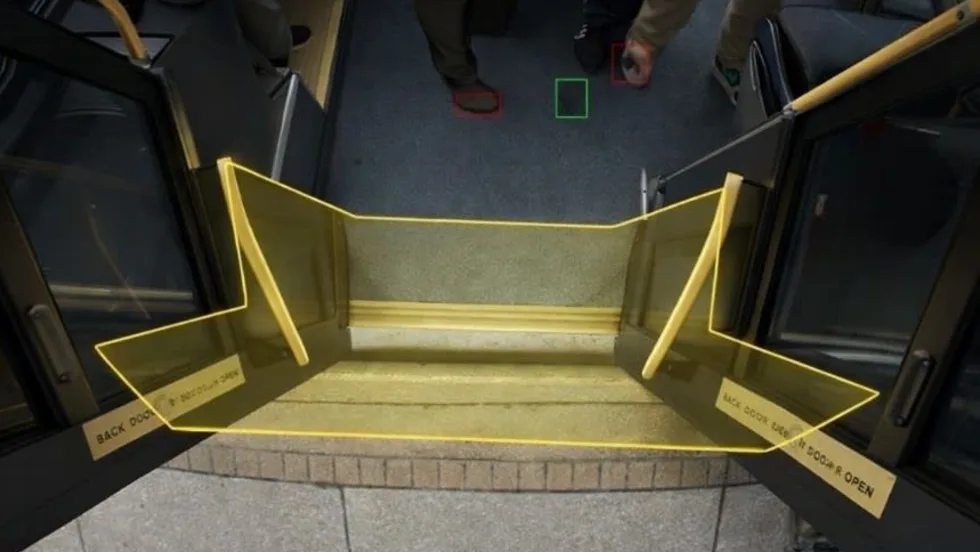
Sponsored•August 18, 2026
How VaporVision Adds Value to Transit Door Systems
Wabtec engineers explain how the system improves doorway detection, strengthens diagnostics and gives transit agencies and OEMs greater operating flexibility.
Read More →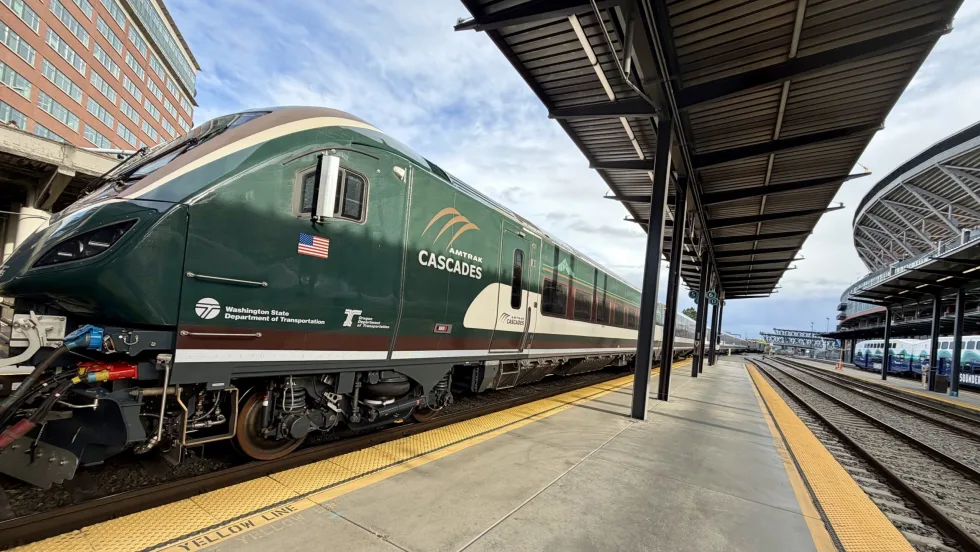
FRA Announces $5.3B in Rail Investments, Including $2B for Amtrak
Funding will support grade-crossing improvements, infrastructure upgrades, and new Amtrak equipment in 23 states.
Read More →
Chicago, Maryland Expand Non-Law-Enforcement Safety, Rider Support
The CTA and MTA are launching new programs aimed at de-escalation, crisis response, rider assistance, and greater transparency.
Read More →
LA Metro, City of West Hollywood, and Partners Advance Smarter Bus Lane Enforcement
The award-winning partnership combines AI-powered detection with human oversight to improve bus reliability, accessibility, and enforcement efficiency.
Read More →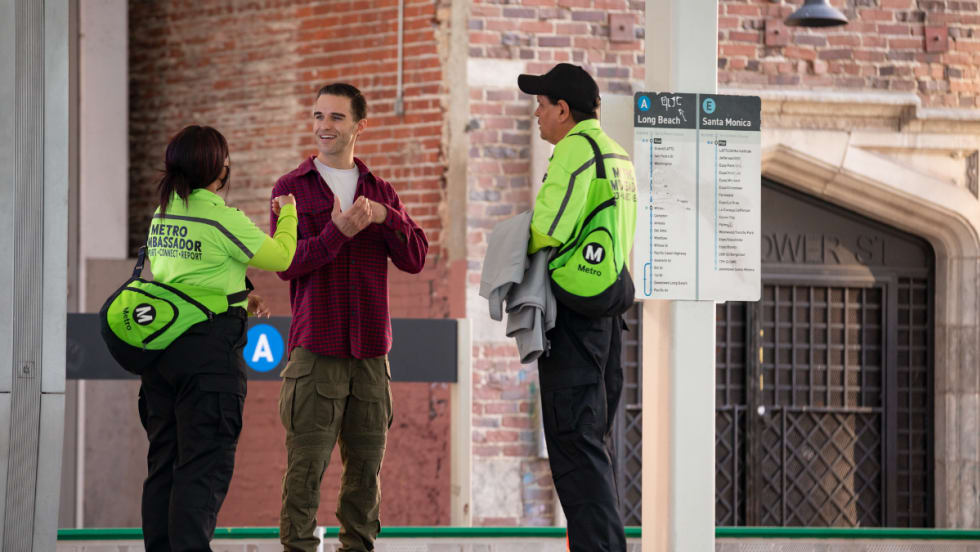
LA Metro Reports 57% Decline in Homelessness on Transit System Since 2024
The agency's latest homelessness count offers new data on how care-based services and cross-sector partnerships can complement traditional transit security strategies.
Read More →
FTA Launches 'Transit Moves America' Dashboard to Highlight Agency Safety and Performance
The online dashboard transforms National Transit Database information into a public-facing resource that allows users to compare transit agencies on key operational and safety metrics.
Read More →