



Leadership Doesn’t Come from Titles
President Kennedy rallied the nation around his vision to lead the Russians in his words "to send a man to the moon, and back safely by the end of the decade."

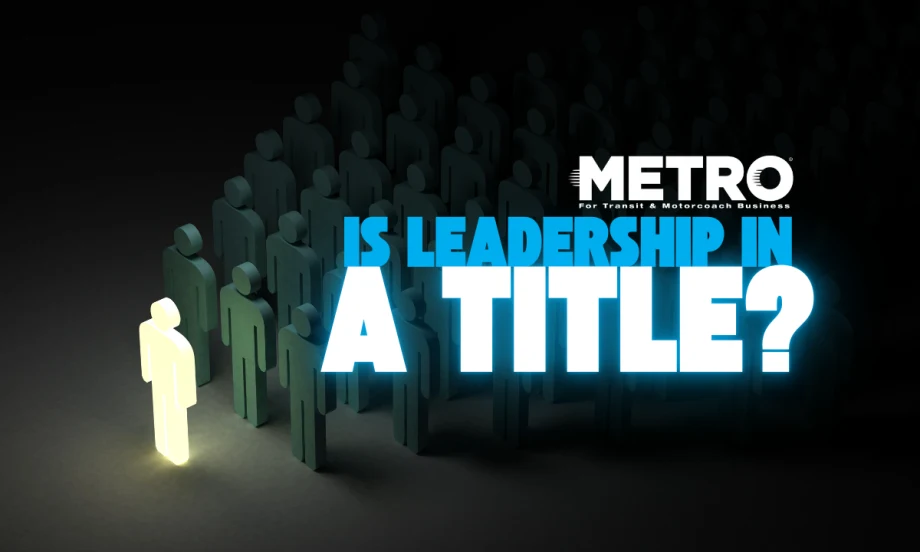
Someone doesn't need to authorize leadership. It comes from ownership. From a willingness to be a succeeder rather than playing it safe.
Photo: Metro
- President Kennedy demonstrated leadership by articulating a bold vision for space exploration.
- He aimed to unite the nation in a collective goal to surpass the Russians in space achievements.
- His specific objective was to safely send an American astronaut to the moon and back by the decade's end.
*Summarized by AI
President Kennedy rallied the nation around his vision to lead the Russians in his words "to send a man to the moon, and back safely by the end of the decade."
The President inspired a generation with his leadership to think boldly, and as he said in his message to Congress in May of 1961, "and to use our time and our treasure to prioritize long-term goals in an urgent time manner...using our budgetary process to fund these priorities."
It was public sector strategic planning 101. A clear definition of success. Clear actions to make that success a reality. Using budget to fund those actions. This is leadership of the highest order.
Leadership doesn't involve negotiating a room to "consensus," but rather it demands creating a space for "collaboration" where all voices are heard and invited to a robust debate.
Photo: Metro
Exhibiting True Leadership
Most Americans would rank this "man to the moon" leadership mindset as one of the highlights of the 20th century.
Today, much is written about "leadership" and "leaders." With frequency, authors on the topic muse roles, titles, and positions within the organizational structure. The higher the title on the org chart, the more a "leader" they must be.
In 1962, President Kennedy famously toured the NASA Space Centre in Houston, to inspire those working passionately on his vision.
During the tour, Kennedy went up to a custodian and asked what he did at NASA. "I'm sending a man to the moon, Mr. President," the custodian explained with pride. That is true leadership.
Leadership doesn't come from titles. Leadership comes from inspiring others to follow.
Leadership doesn't involve negotiating a room to "consensus," but rather it demands creating a space for "collaboration" where all voices are heard and invited to a robust debate. Leadership also requires the courage to take a position that the rest of the room might disagree with.
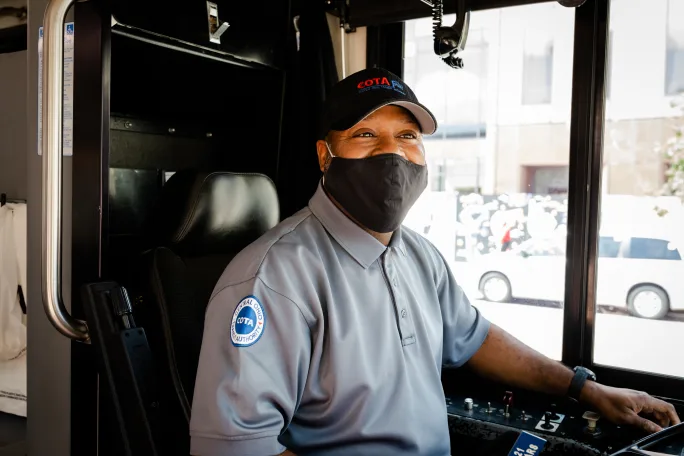
Leadership doesn't come from titles. Leadership comes from inspiring others to follow.
Photo: COTA
Taking the Leadership Reins
When making the decision to authorize the invasion of Europe, General Eisenhower gathered all his top commanders at his headquarters in Southwick House.
History books note the invasion as taking place on June 6. In reality, Eisenhower made the decision with the famous words: "okay, let's go" in the early hours of June 5. When Eisenhower invited a robust debate, his direct reports were split. Half urged Eisenhower to give the word of approval, while the other half urged him to delay a month due to inclement weather. Eisenhower heard all voices and decided.
Someone doesn't need to authorize leadership. It comes from ownership. From a willingness to be a succeeder rather than playing it safe.
Leadership comes from the park worker who, after finishing mowing, takes the extra step to blow grass clippings off the heavily used picnic area.
Leadership comes from the bus washer who, after making repeated requests for new cleaning supplies but does not receive them, asks for time with the CEO.
Leadership comes from the team member who rallies her colleagues to conquer unforeseen hurdles rather than abandon the project.
Leadership doesn't come from titles. Lots of people with fancy titles aren't leaders.
And lots of people without titles are leaders in every sense of the word.
Quick Answers
The title suggests that true leadership is defined by actions and vision rather than holding a specific position or title.
*Summarized by AI
More Blog Posts
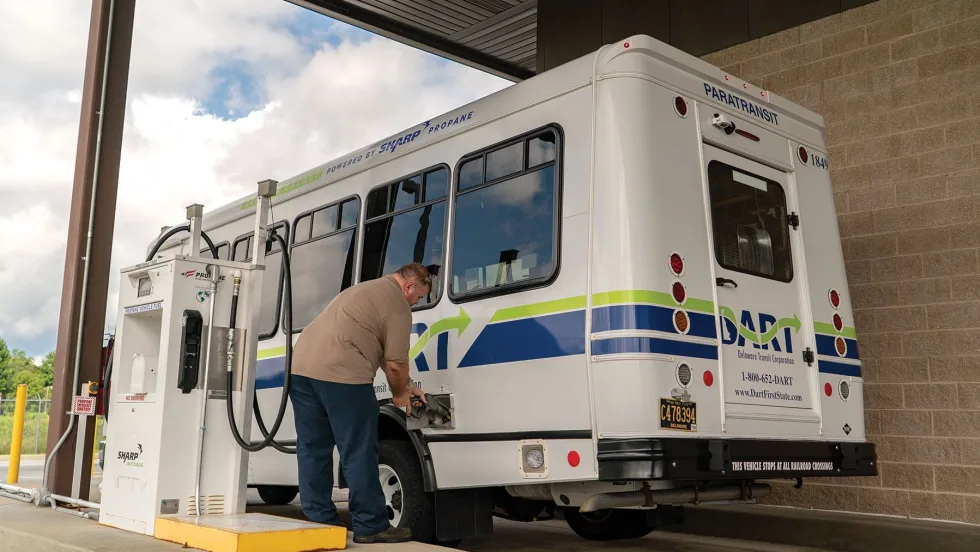
Building a Winning FTA Grant Proposal: Why Propane Autogas is the Pragmatic Choice for Fleet Resilience
With $610 million available through the FY 2026 Buses and Bus Facilities Competitive Program and the Low or No Emission Grant Program, agencies must build a compelling case before the September 21 deadline that balances environmental compliance with operational feasibility.
Read More →
Velo-city Conference 2026: Latest Trends in Cycling as Part of Urban Mobility
The global cycling conference highlighted how cities are integrating bicycles into multimodal transportation networks, expanding cycle tourism and reshaping urban mobility.
Read More →
Kindness Isn’t Soft...It’s Strategic.
Mike Bismeyer — often known as “The Kindness Guy” — has spent more than 17 years in public transit and mobility, serving in industry leadership roles, speaking across North America, and advocating for stronger workplace cultures. But his message doesn’t come from theory. It comes from lived experience.
Read More →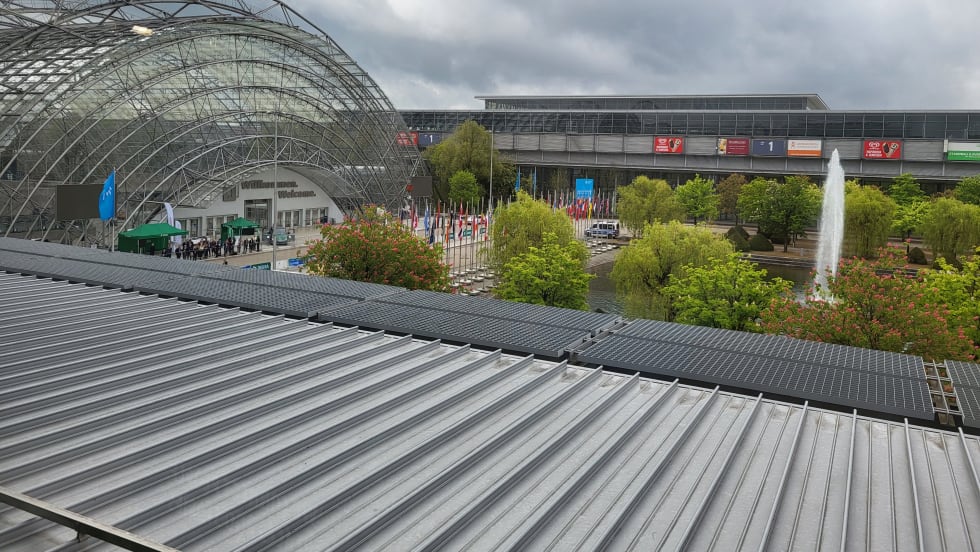
Inside ITF 2026: Transport Reacts to A Challenging World
Transport leaders from around the world gathered in Leipzig, Germany, for the 2026 International Transport Forum to discuss resilience, climate impacts, supply chains and the future of sustainable mobility.
Read More →
Every Ride Tells a Story — But You’re Not Just Selling the Ride
You’re selling the moment, the meaning, and the emotion behind it.
Read More →
How Digital Signage is Reshaping the Traveler Experience at Transportation Hubs
What was once a landscape of static signs has evolved into a responsive, immersive environment powered by real-time visual communication.
Read More →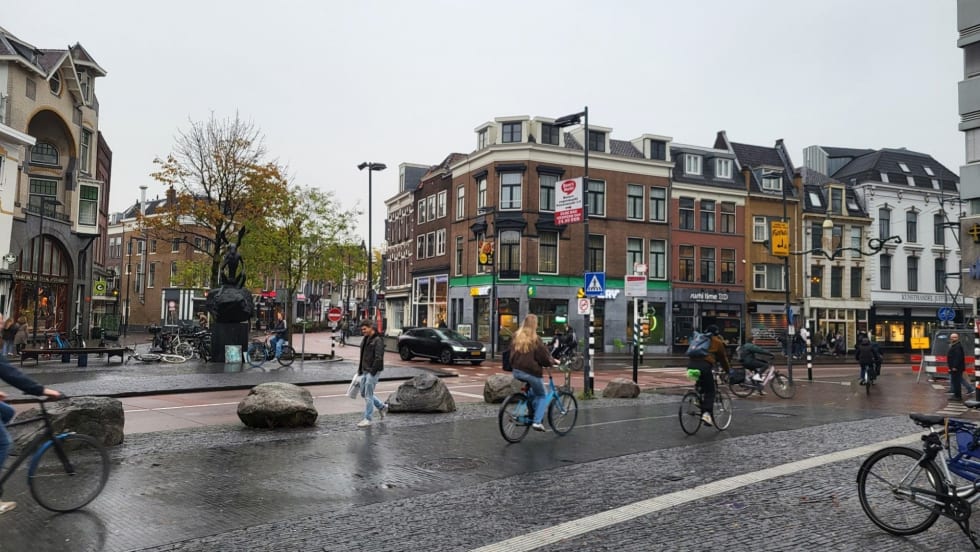
Latest Trends in Urban Mobility from Polis Conference 2025
Polis comprises cities and regions, as well as corporate partners, from across Europe, promoting the development and implementation of sustainable mobility. This year’s event had over a thousand attendees across various policy forums and an exhibition.
Read More →
Why Transit Leaders Require Better Tools for Operational Clarity In Today’s Tech-Fragmented Environment
Across North America and beyond, transit agency officials are contending with a perfect storm of operational headaches and strategic challenges that hamper daily service and long-term progress.
Read More →
The Powerless Brokers: Why California Can’t Build Transit
It is no secret that transit in the U.S. is slow and expensive to build.
Read More →
Why Transport Sustainability Should Focus on People Instead of Cars
Simply incentivizing electrification is not enough to make a meaningful impact; we must shift our focus toward prioritizing public transportation and infrastructure.
Read More →