




Read More: FTA Announces Available Funding for Tribal Transit Projects
FTA Announces Awards to Put Cleaner Buses in Communities
This funding invests in more than 1,700 American-built buses that will be manufactured with American parts and labor.
June 26, 2023
The awards announced are part of President Biden’s Investing in America agenda.
Photo: FTA
4 min to read
The U.S. Department of Transportation’s Federal Transit Administration (FTA) announced 130 awards totaling nearly $1.7 billion from President Biden’s Bipartisan Infrastructure Law for transit projects in 46 states and territories.
Nearly half of these buses will be zero-emission models, bringing the total number of zero-emission transit buses funded by the Bipartisan Infrastructure Law over two years to more than 1,800 – and more than doubling the number of zero-emission transit buses on America’s roadways.
Many of the grant recipients have pledged to buy standardized buses and vans and avoid customization, which will result in faster delivery and lower costs.
Breakdown of the Projects
Twenty-two of the funded projects will operate with project labor agreements to ensure their efficient and timely completion, and 34 projects have committed to the gold standard model of registered apprenticeship, with supportive services such as childcare for employees.
In addition, the zero-emission bus grants include millions of dollars in funding for workforce programs that will train internal combustion mechanics to become electric motor technicians, and the projects will include millions of dollars in funding for workforce programs that help transition diesel mechanics to electric motor technicians.
The awards announced are part of President Biden’s Investing in America agenda.
“Every day, over 60,000 buses in communities of all sizes take millions of Americans to work, school, and everywhere else they need to go,” said U.S. Transportation Secretary Pete Buttigieg. “The announcement means more clean buses, less pollution, more jobs in manufacturing and maintenance, and better commutes for families across the country.”
Projects Selected for Funding
Examples of projects selected to receive FY 2023 funding include:
The Washington Metropolitan Area Transit Authority (WMATA) will receive $104 million to convert its Lorton, VA, bus garage to a fully electric facility, buy approximately 100 battery-electric buses, and develop a workforce training program for drivers, mechanics, and first responders to ensure safe and efficient operations of the fleet. This project will support WMATA’s plans to accelerate its transition to a 100-percent zero-emission bus fleet and create good-paying construction jobs, which will be supported through a project labor agreement and registered apprenticeships.
King County Metro Transit in Seattle, Washington, will receive $33.5 million to buy approximately 30 battery-electric buses and charging equipment and train workers to maintain the electric fleet. The project will convert 27 bus routes that serve low-income areas and expand Metro’s apprenticeship program, including promoting transit careers for residents in underserved communities.
The Ohio Department of Transportation will receive $29.3 million to help 10 transit agencies serving both rural and urban communities buy dozens of low- or no-emission buses that will replace older vehicles. The agencies will expand their fleets to support essential services, train workers in good-quality careers, and begin the decarbonization transition for several of Ohio’s major transit systems. The new battery electric, CNG, and propane-powered buses supported by this grant will provide better reliability, improve air quality, and lower maintenance costs across the state.
Iowa City, Iowa will receive nearly $23.3 million to buy four electric buses to replace older diesel vehicles that have exceeded their useful life and to replace its operations and maintenance facility, originally constructed in the 1980s. The project will improve transit system conditions, create more reliability and reduce greenhouse gas emissions.
The Seneca Nation of Indians in Western New York will receive nearly $6 million to replace an outdated maintenance facility with a new building that will serve as an operations hub for the Seneca Nation Department of Transportation, including the Seneca Transit System (STS). The building, which will allow STS to store and maintain transit buses, will serve as the jumping-off point for services in five New York counties.
FTA's Buses and Bus Facilities Vehicle Programs
The projects announced are supported by FTA’s Grants for Buses and Bus Facilities and Low- and No-Emission (Low-No) Vehicle programs.
The Buses and Bus Facilities program provides federal funding for transit agencies to buy and rehabilitate buses and vans and build and modernize bus facilities.
The Bipartisan Infrastructure Law provides nearly $2 billion through FY 2026 for the program. For FY 2023, approximately $473 million for grants was available under this program.
FTA’s Low-No program makes funding available to help transit agencies buy or lease American-built low- or zero-emission vehicles, including buses and vans; make facility and station upgrades to accommodate low- or zero-emission vehicles; and purchase supporting equipment like chargers for battery electric vehicles.
The Bipartisan Infrastructure Law provides $5.5 billion through FY 2026 for the Low-No Program – more than six times greater than the previous five years of funding combined. For FY 2023, approximately $1.22 billion was available for grants under this program.
More Zero Emissions
Ohio’s METRO RTA Turns Electric Buses into Mobile Power Sources at PorchROKR
See how three Gillig battery-electric buses powered festival stages while the agency’s new Park & Ride service carried approximately 1,000 attendees, demonstrating another potential use for transit agencies’ electric fleets.
Read More →
CALSTART and Forth Combine to Form Catalyst Mobility
The new name represents a renewed vision for the nonprofit focused on advancing clean, equitable, and affordable transportation solutions that move people and goods.
Read More →
Building a Flexible Path to Transit Electrification
John Hroncich discusses BAE Systems’ modular and scalable approach, lessons learned from decades of real-world operations, and how agencies can identify electrification strategies that fit their fleets.
Read More →
California's VVTA Begins Phased Rollout of Hydrogen Fuel Cell Buses
The agency is introducing 13 zero-emission buses into revenue service while evaluating performance across its urban, rural, and long-distance routes.
Read More →
Inside Look: University at Buffalo Puts First 8 Electric Buses Into Stampede Service
UB, transportation solutions provider WeDriveU, and fleet electrification specialist Zenobē marked the deployment in the presence of students, university administrators, and local officials.
Read More →
Biz Briefs: OCTA Taps Clean Energy for Hydrogen Station, Stadler to Supply Via Rail Vehicles, and More
From manufacturers and suppliers to transit agencies and motorcoach operators, these updates offer a snapshot of the projects, partnerships and business moves driving the industry forward.
Read More →
AC Transit’s Cecil Blandon on Building the Next Generation of Transit Maintenance Leaders
The agency’s maintenance chief discusses leadership, workforce development, zero-emission technology, and preparing technicians for the future of public transportation.
Read More →
CTDOT Taps STV for Electric Bus Facility Design
The firm will work with CTDOT and RVT to define the facility layout, operational requirements, and long-term flexibility for RVT’s growing electric fleet.
Read More →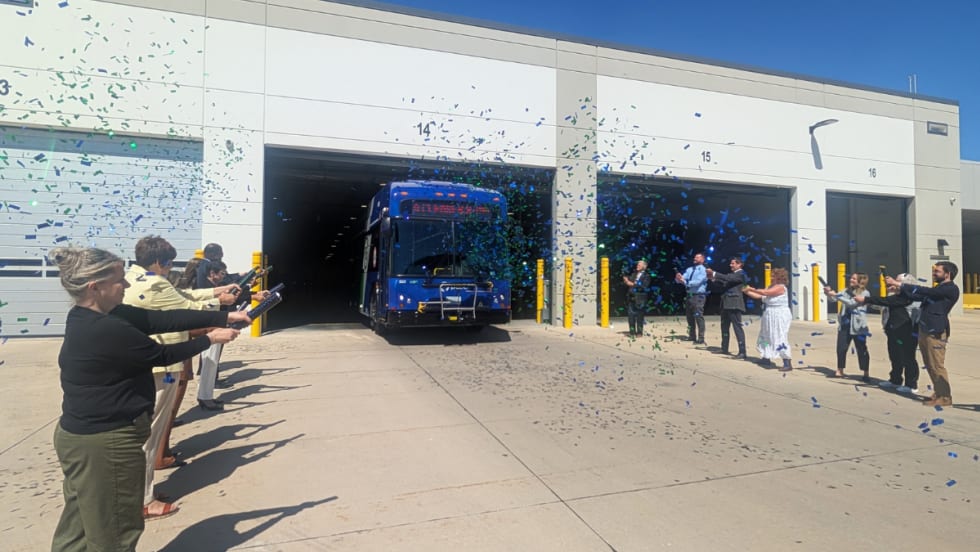
Chicago’s Pace Deploys 24 Hybrid-Electric Buses in Will County
The new buses reduce emissions and fuel consumption while advancing the agency's long-term goal of transitioning to a fully zero-emission fleet.
Read More →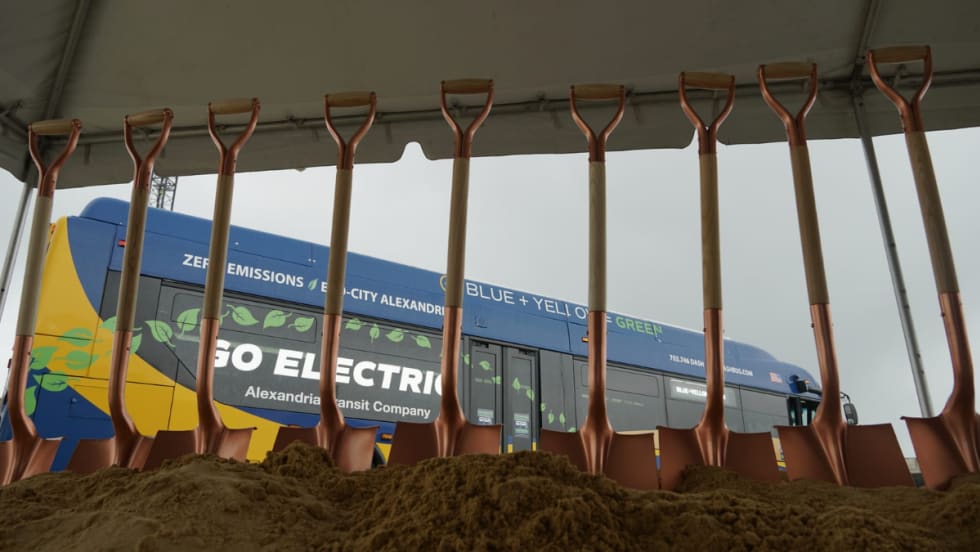
DASH Breaks Ground on First On-Route Electric Bus Chargers in D.C. Region
The fast-charging infrastructure will help extend electric bus range, improve fleet utilization, and support DASH's goal of transitioning to a fully zero-emission fleet.
Read More →