



FTA charter negotiations end with mixed results
Definition of "charter operations" still not formalized despite vigorous efforts on both sides.

The FTA-sponsored negotiated rulemaking to determine a new standard for conducting charter operations reached only partial agreement on the many outstanding issues before it. The negotiation, which concluded Dec. 7 after seven months of meetings, failed, however, to reach agreements on many critical issues, including the foundation issue of exactly what trips and services constitute charter operations. The negotiation team, comprising members and representatives of both public and private entities and associations, has been meeting regularly in an attempt to arrive at an agreement. In the end, the complexity of the issues and existing federal mandates, as well as the specific demands of each group, led to the less-than-hoped-for result. At the final meeting, the FTA and both teams of negotiators made vigorous attempts to reach agreement, but in the end, time expired without a complete resolution. Under the rules of the proceedings, unanimous consent was required for agreement. The negotiations led to agreements on many issues, including the adoption of procedures for creating advisory opinions to examine potential charter trips to assure adherence to the regulations, the nature of groups that could be included for exempt trips and a simple, online procedure for private-sector operators to register for notification of charter opportunities. While successes were several, they were overshadowed in the end by the issues that did not reach a resolution. In addition to the failure of the group to define “charter operations,” the negotiation also failed to come to an agreement on whether to use administrative law judges to hear violation disputes, how to create a procedure to make records of exempt and thus permitted charter trips conducted by transit agencies available for scrutiny to avoid unnecessary complaints, and the final nature of many of those special exemptions. Costs, as expected, also formed the basis of several unresolved issues, with the public representatives seeking flexibility in offering specific charitable service and the private sector arguing that services needed to be priced using fully allocated costs. The agreed-upon portions of the regulations emanating from the negotiation will form a partial basis for the FTA to now complete the creation of a proposed set of charter rules. The process of reaching a new and final set of clear and comprehensive charter rules is anticipated to be resolved in mid to late 2007.
More Management
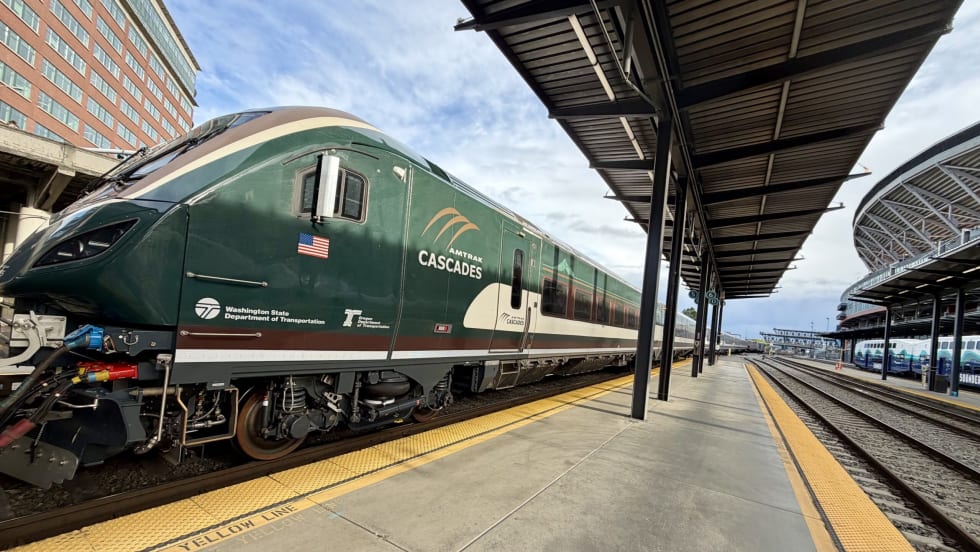
FRA Announces $5.3B in Rail Investments, Including $2B for Amtrak
Funding will support grade-crossing improvements, infrastructure upgrades, and new Amtrak equipment in 23 states.
Read More →
Finding the ‘Happy Medium’: Optimizing Maintenance Without Sacrificing Reliability
The key to maintenance optimization isn’t doing less work—it’s doing the right work at the right time on the right assets.
Read More →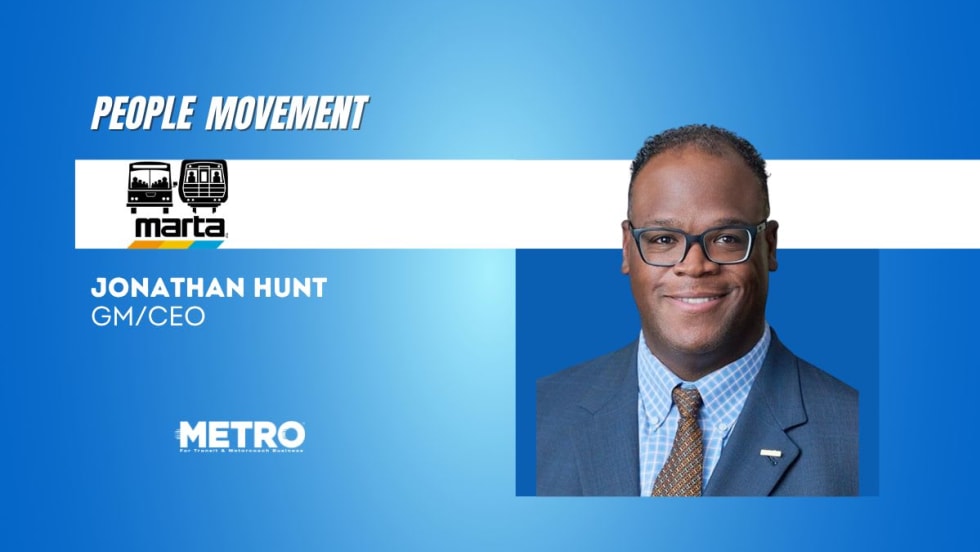
People Movement: MARTA Drops Interim Tag on GM/CEO Hunt and More
In this edition, METRO covers recent appointments and announcements at the FMCSA, HDR, SilverRide, and more, showcasing the individuals helping to shape the future of transportation.
Read More →
VIA Metropolitan Transit Reports 2 Million More Passenger Trips as Better Bus Plan Gains Momentum
San Antonio's transit agency said accelerated service improvements are driving ridership growth, offering another example of how increased frequency and workforce investments can translate into stronger transit performance.
Read More →
ABAF Study Reveals Growing Insurance Crisis for Motorcoach Operators
Preliminary findings show 98% of operators faced premium increases over the past five years, while shrinking insurer participation is putting added pressure on businesses and customers.
Read More →
PSTA Modernizes Workforce Management with Digital Bidding System
The award-winning Workforce Transit Modernization project replaced paper bidding with a transparent digital platform, cutting administrative effort while improving access for operators.
Read More →
Chicago to Host Public Transportation's Biggest Gathering at APTA TRANSform & EXPO 2026
North America’s largest public transportation gathering returns to Chicago, connecting transit decision-makers with the technologies, ideas, and partnerships driving the industry forward.
Read More →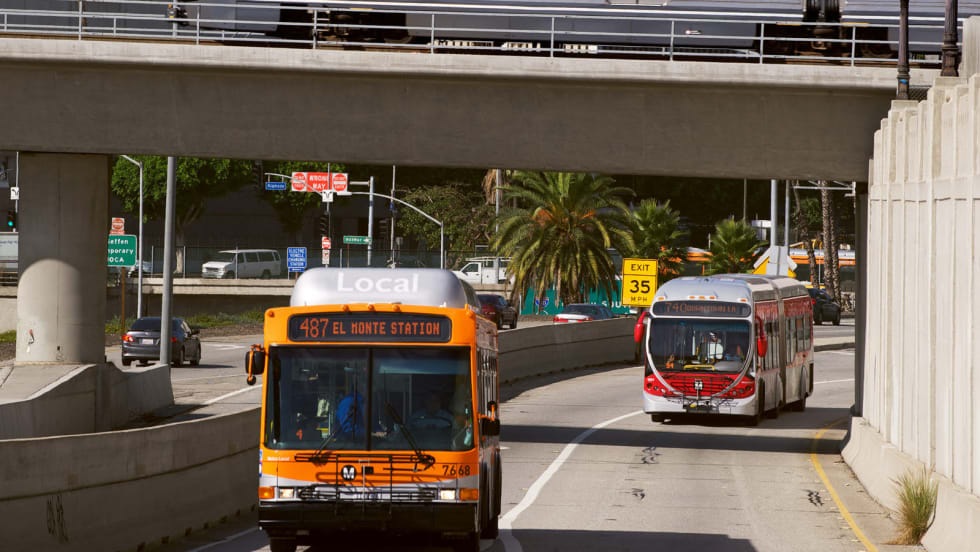
New Tricks for Old Bureaucracies: Joshua Schank on Making Transit Innovation Stick
Former LA Metro Chief Innovation Officer Joshua Schank discusses why good ideas aren't enough, how transit agencies can overcome resistance to change, and why today's challenges demand more innovation.
Read More →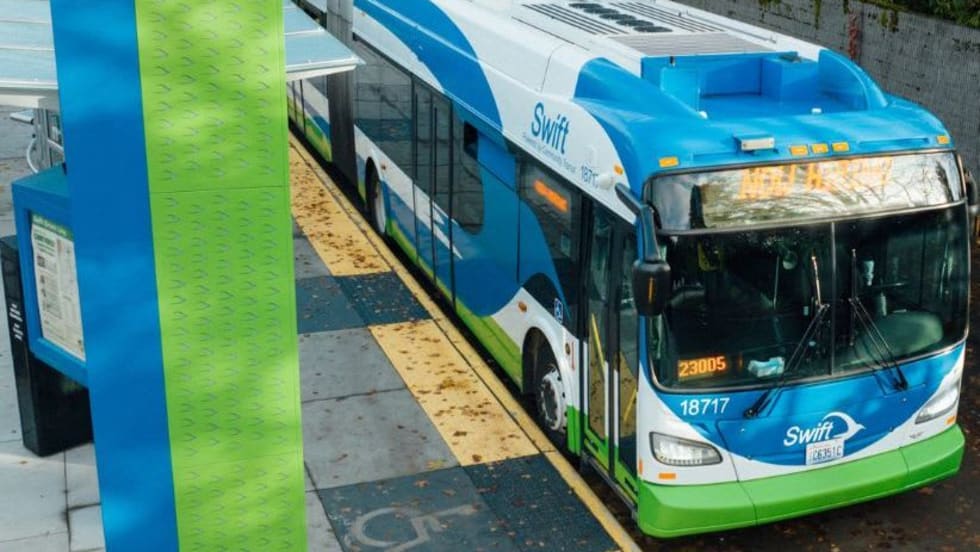
Washington's Community Transit Sets Six-Year Roadmap for Growth, Expansion
Approved TDP targets more bus service, new mobility options, Swift BRT expansion, and a potential Everett Transit annexation.
Read More →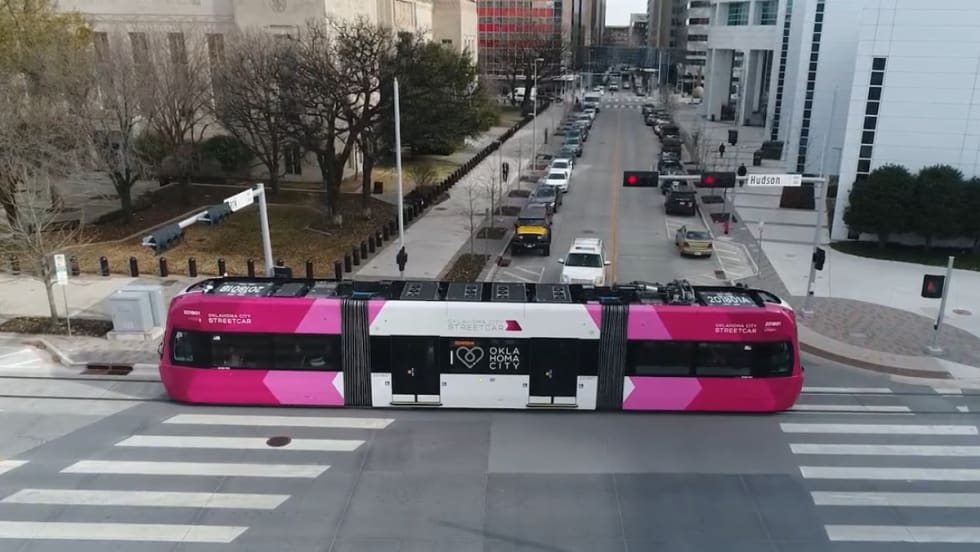
OKC Streetcar Makes Zero-Fare Service Permanent
Ridership increased an average of 71% compared with the same period a year earlier during the fare-free pilot.
Read More →