



FTA rule to improve bus testing, safety, reliability
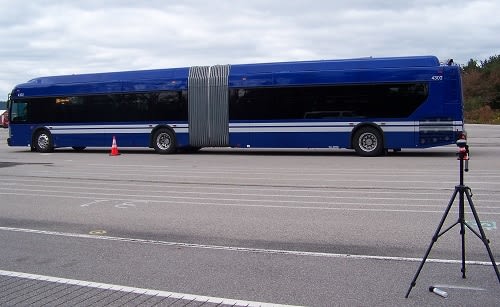
Existing procedures used by the FTA Bus Testing Facility will largely remain intact, but data generated will be used to apply a new 100-point scoring system to tested buses, making it easier to compare similarly sized bus models from different manufacturers.

USDOT
USDOT
The Federal Transit Administration (FTA) announced a Final Rule that will improve the process for ensuring the safety and reliability of new transit buses funded with FTA dollars. The new rule will establish a set of minimum performance standards, a standardized scoring system, and a pass-fail threshold that will better inform local transit agencies as they evaluate and purchase buses for use in their communities.
“Throughout our nation, millions of Americans rely on transit buses every day, and they expect to ride in safe, reliable vehicles that meet or exceed federal requirements,” said U.S. Transportation Secretary Anthony Foxx. “This rule will help local transit agencies put well-tested, high-quality vehicles on the road, while streamlining the testing process.”
USDOT
The new bus testing rule will require newly procured buses to meet minimum thresholds in key areas such as safety, reliability and performance. Existing procedures used by the FTA Bus Testing Facility will largely remain intact, but data generated will be used to apply a new 100-point scoring system to tested buses, making it easier to compare similarly sized bus models from different manufacturers.
Importantly, for the first time, bus models that fail to meet one or more minimum performance standards will “fail” their test and thus be ineligible for purchase with FTA funds until the failures are resolved. FTA will be able to use this authority to make sure defects are fixed before vehicles are allowed to go into service.
“FTA is proud to support communities seeking to improve their bus transit service — a lifeline for so many to access jobs and opportunities,” said FTA Acting Administrator Carolyn Flowers. “Ensuring that unsafe buses never reach service protects those communities and bus passengers, and demonstrates FTA’s continued commitment to making safety its number one priority.”
The Final Rule follows the Notice of Proposed Rulemaking that FTA issued in June 2015. FTA conducted extensive outreach to partners across the transit industry, including transit vehicle manufacturers, component suppliers, public transit agencies, and state departments of transportation. Comments and feedback from this outreach are reflected in the Final Rule.
Congress directed FTA to make updates to the Bus Testing Program in the Moving Ahead for Progress in the 21st Century Act (MAP-21). Congress first authorized the Bus Testing Program in 1987 to ensure that federal funds — which can cover up to 80% of the cost of purchasing transit buses through various grant programs — are used effectively and efficiently.
FTA’s Bus Testing Program is conducted by Pennsylvania State University’s Larson Transportation Institute in Altoona, Pa.
More Security and Safety

Transit Agencies Highlight Safety Gains at National Summit
Leaders from 15 major transit systems shared crime-reduction results and safety initiatives while discussing the role of continued federal support.
Read More →
DART Launches Major Security, Fare Enforcement Initiative
The 90-day demonstration will deploy coordinated security teams at five light rail stations while testing controlled access and gathering data to guide future investments.
Read More →
RTD Launches NextRide App to Consolidate Trip Planning, Fares, Security Reporting
The app expands on RTD’s existing NextRide web application and allows customers to view real-time vehicle locations and service alerts, purchase and store digital fares, and access customer support.
Read More →

TAPTCO Updates OSHA Compliance Training for Transit Maintenance Operations
The revamped program addresses 26 OSHA standards for maintenance facilities, with TAPTCO pointing to training, documentation, and everyday shop hazards as continuing challenges for transit operations.
Read More →
How VaporVision Adds Value to Transit Door Systems
Wabtec engineers explain how the system improves doorway detection, strengthens diagnostics and gives transit agencies and OEMs greater operating flexibility.
Read More →
FRA Announces $5.3B in Rail Investments, Including $2B for Amtrak
Funding will support grade-crossing improvements, infrastructure upgrades, and new Amtrak equipment in 23 states.
Read More →
Chicago, Maryland Expand Non-Law-Enforcement Safety, Rider Support
The CTA and MTA are launching new programs aimed at de-escalation, crisis response, rider assistance, and greater transparency.
Read More →
LA Metro, City of West Hollywood, and Partners Advance Smarter Bus Lane Enforcement
The award-winning partnership combines AI-powered detection with human oversight to improve bus reliability, accessibility, and enforcement efficiency.
Read More →
LA Metro Reports 57% Decline in Homelessness on Transit System Since 2024
The agency's latest homelessness count offers new data on how care-based services and cross-sector partnerships can complement traditional transit security strategies.
Read More →
FTA Launches 'Transit Moves America' Dashboard to Highlight Agency Safety and Performance
The online dashboard transforms National Transit Database information into a public-facing resource that allows users to compare transit agencies on key operational and safety metrics.
Read More →