



FY 2001 Transit Budget Follows TEA 21 Guarantee
President Clinton’s proposed FY 2001 budget follows his budgeting pattern ever since the Transportation Equity Act for the 21st Century was enacted in 1998: Keep within the TEA 21 guarantees, but don’t spend any more than that.

President Clinton’s proposed FY 2001 budget follows his budgeting pattern ever since the Transportation Equity Act for the 21st Century was enacted in 1998: Keep within the TEA 21 guarantees, but don’t spend any more than that. Clinton proposed $54.9 billion for all of transportation in fiscal year 2001, which begins Oct. 1, 2000. His transit budget if enacted will be $6.3 billion. Both are 9% higher than the current year’s budget, an increase partly paid for with increased fuel tax revenues. The proposals make the most of an opportunity to invest for the future in good times when America can best afford it, said Secretary of Transportation Rodney Slater. "These investments will make travel safer and more secure, our economy stronger, and our communities more livable. They are investments that sustain our economic growth and our course of fiscal responsibility," he added. The public transport industry predictably hailed the increase. "The proposed increase in transit funding continues the upward trend in transit investment that has resulted in hundreds of new transit projects around the country and a 16% increase in transit ridership over the past four years," said APTA President Bill Millar, but added: "APTA will work with Congress and the Administration to fund the full amount authorized under the landmark Transportation Equity Act for the 21st Century (TEA 21)." For FY 2001, TEA 21 authorizes up to $7.3 billion for public transportation, but only $6.3 billion of the amount is within the budgetary guarantees of the legislation, which rule any less spending for other initiatives out of order. Safety programs got a big boost in the administration’s budget, with a proposal for a record $4 billion for direct safety programs, 13% more than the current year. This includes: $1.7 billion for highway safety, 21% more than this year, including programs to get unsafe trucks and buses off the road, reduce the number of drunk drivers, develop safer roads and vehicles and increase seat belt and child safety seat use; and $117 million, 6% more than this year, to prevent train collisions, reduce highway-grade crossing accidents and improve railroad safety; A record $39 billion is planned for infrastructure investment to improve mobility includes: A record $30.4 billion to maintain highways and build new roads and bridges, including $280 million to improve border crossings and trade corridors; 12 new or expanded rail systems in Portland, Ore.; Chicago; Seattle; Pittsburgh; Memphis; Minneapolis; Denver; Baltimore; Washington, D.C.; northeastern New Jersey; and Salt Lake City for the 2002 Winter Olympics; $521 million to continue rebuilding Amtrak’s trains and stations, helping America’s railroad move towards operating self-sufficiency; $468 million to expand intercity passenger rail service and lay the foundation for high-speed rail. Rail advocates welcomed the new initiatives but with some reservations about the level of support to Amtrak. "While Amtrak and the Administration have said this so-called ‘glide-path’ figure would be enough to continue Amtrak's efforts to achieve operational self-sufficiency by 2003, we have concerns that it will not be sufficient to achieve that goal," said Ross Capon, executive director of the National Association of Rail Passengers in Washington, D.C. "Such a low figure might even result in service reductions. Furthermore, we are concerned that this level of funding would not permit any meaningful service expansion, which is vital if passenger rail is to become a more important component of the transportation market. However, Capon and others applauded the increased funding for other intercity rail programs. This fund would draw from a small part of the $3 billion in gas-tax revenues the federal government now projects that it will collect in 2001 in excess of estimates used in TEA-21. Amounts from these excess revenues are called revenue-aligned budget authority (RABA). Under TEA 21’s current provisions, however, RABA revenues must be spent for highway programs. The use of RABA for any other purpose would require amendment of TEA-21, and even some transit advocates worry this might jeopardize the other favorable treatment for their programs. This does not worry Capon, however. "We believe it would be sound public policy for Congress to make this change in TEA-21. Many states are looking for a federal partner to develop intercity passenger rail services as a means to complement their congested highway and aviation systems." Other public transport-related provisions include:
$338 million, 83% more than this year, for smart traffic signals (which can also give priority to emergency and transit vehicles at intersections), regional travel information networks and other intelligent transportation systems;
$150 million, double this year’s amount, in the Access to Jobs program for paratransit, ridesharing and other services to help welfare recipients and lower-income workers get to jobs;
$1.6 billion for the Congestion Mitigation and Air Quality Improvement Program, to fund transit, ridesharing and other projects that help communities clean their air;
$52 million to help to encourage and help communities develop "smart growth" plans to reduce traffic congestion and pollution;
$20 million for the Advanced Vehicle Program, to develop less-polluting trucks and buses.
More Management
Brian Dickson on Building Stronger, More Resilient Transportation Organizations
Bus Business Consultants Founder Brian Dickson discusses the leadership principles, operational discipline, and strategic planning that separate transportation companies positioned for long-term success from those stuck in survival mode.
Read More →
LA Metro Breaks Ground on Vermont BRT Project
The 12.4-mile corridor is projected to serve 66,200 daily riders, reduce travel times by up to 24%, and create the nation's busiest bus rapid transit corridor.
Read More →
Building Stronger Leaders, More Resilient Transit Teams
Dr. Carol Parker Walsh discusses leadership development, employee retention, workplace culture, and preparing transit’s workforce for AI and automation.
Read More →
Roman Cornell on ABC Companies’ Evolution and the Future of Passenger Transportation
The company’s CEO discusses carrying forward a third-generation family legacy, ABC’s continued evolution in passenger transportation, support for increasingly complex fleets, and how technology and continued investment could help operators improve uptime.
Read More →
CATS Launches West Charlotte Microtransit Zone, Expands Transit Services
The new microtransit zone connects residents to key destinations as Charlotte Area Transit System rolls out the first phase of its 2055 Transit System Plan.
Read More →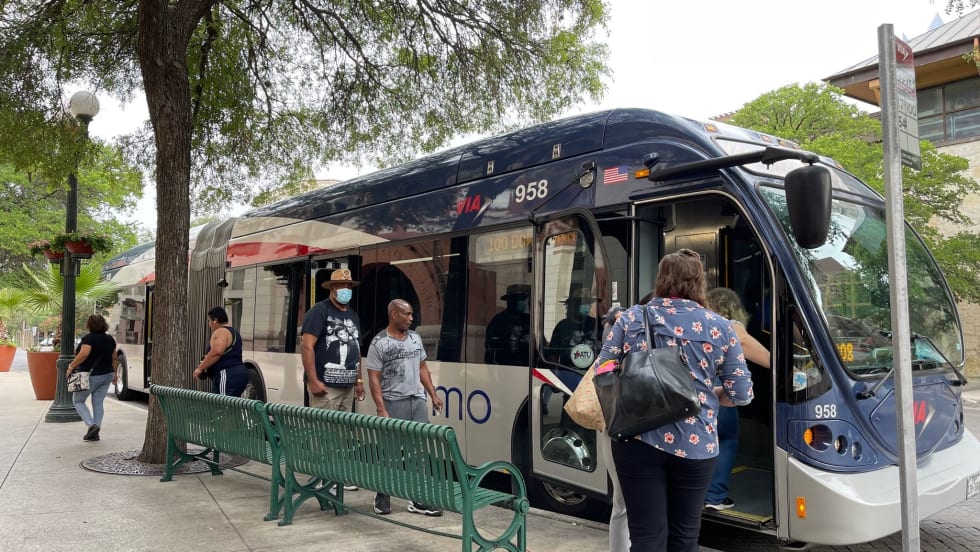
VIA Bus Ridership Grows 10.1% Through August 2026
San Antonio's VIA Metropolitan Transit reported the highest bus ridership growth among major Texas transit systems. Federal Transit Administration data ranked it second among the nation's 50 largest transit systems.
Read More →
CSA Group Releases Climate Resilience Standard for Transit, Passenger Rail
Developed with support from the Standards Council of Canada, CSA D700 guides assessing climate-related risks and planning adaptation measures for transit and passenger rail systems.
Read More →
ETA CEO John Maglio on Transit Technology, Innovation, and Building Agency Trust
ETA founder and CEO John Maglio explores the evolution of transit technology, the importance of reliable systems, and how stronger partnerships can help agencies improve operations and the passenger experience.
Read More →
COTA Launches First Customer Experience Action Plan to Improve Transit Service
The new plan outlines improvements to service reliability, accessibility, communication, and the overall rider experience across Central Ohio's transit system.
Read More →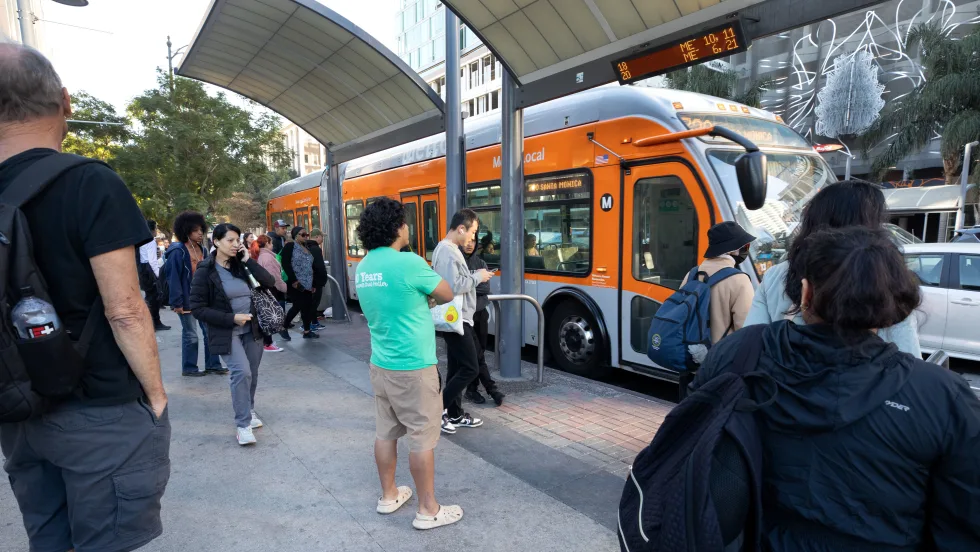
LA Metro September Ridership Climbs 3.9%, Led by Rail Growth
The agency recorded more than 27.2 million boardings, with rail ridership increasing 12.4% year over year and the D Line posting the largest gains.
Read More →