



Greyhound requiring masks on all buses, launches new sanitizing efforts
Cloth face coverings made from common materials can be used as a public health measure in place of face masks.

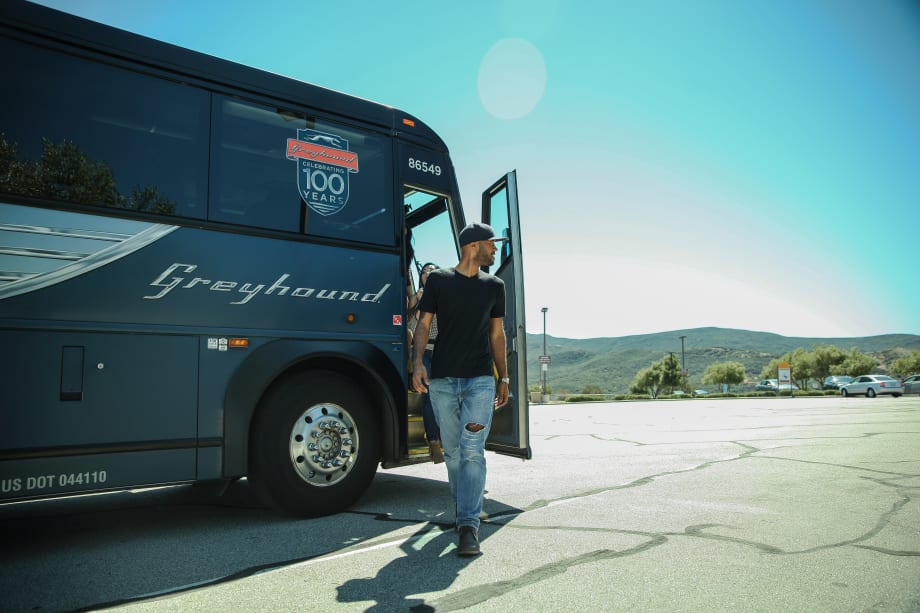
In addition to its latest policy, Greyhound is continuing its enhanced cleaning procedures, which include frequent routine cleanings of its locations and thorough sanitization of its buses after every trip.
Greyhound
In addition to its latest policy, Greyhound is continuing its enhanced cleaning procedures, which include frequent routine cleanings of its locations and thorough sanitization of its buses after every trip.
Greyhound
Greyhound Lines Inc. will require all customers to wear a face covering when on its buses as a precaution against the spread of COVID-19. Beginning May 13, the policy will be added to Greyhound's extensive list of efforts it is taking to protect the communities it serves from the spread of the novel coronavirus. Children under the age of two and those who are medically unable to wear a mask will not be required to do so.
"As we continue to provide vital transportation nationwide, it is important that we continue to make temporary, yet necessary, changes to our policies in order to create a safe environment for all our customers and team members," said Dave Leach, Greyhound’s CEO.
Greyhound currently requires all drivers and customer-facing employees to wear face masks during their shifts. While some cities and states require passengers to wear face coverings when in public, Greyhound is extending this requirement throughout its nationwide intercity bus network to further assist in slowing the spread of the novel coronavirus. According to the Centers for Disease Control and Prevention (CDC), the use of a simple face covering slows the spread of the virus and prevents those who unknowingly have the virus from transmitting it to others.
Cloth face coverings made from common materials can be used as a public health measure in place of face masks. Additional details are available on the CDC website. Customers who do not have a face covering, or if their covering is damaged in transit, are asked to speak with their driver or a Greyhound terminal employee and a disposable mask will be provided.
In addition to its latest policy, Greyhound is continuing its enhanced cleaning procedures, which include frequent routine cleanings of its locations and thorough sanitization of its buses after every trip. In addition to these efforts, Greyhound has taken their safety measures a step further by introducing ozonation, an advanced sanitation process, on its buses. This extensive procedure was developed to destroy harmful bacteria and has been proven to kill viruses, including the novel coronavirus. Ozonation creates an extra layer of protection for customers and employees.
More Motorcoach

METRO Opens Submissions for 2026 Motorcoach Awards
Nominations are now being accepted for METRO Magazine’s Operator of the Year and Innovative Operator of the Year awards.
Read More →
Biz Briefs: Alstom Lands Canadian Contract, LYT to Supply California TSP, and More
In METRO's latest installment, we take a look at recent news from Complete Coach Works, Beep, FlixBus, and more partnerships making headlines across the transportation sector.
Read More →
Biz Briefs: RIPTA Unveils New Frontrunners, Clevland RTA Adds New Siemens, and More
In METRO's latest installment, we take a look at recent news from Siemens, Prevost, Dodge, and more partnerships making headlines across the transportation sector.
Read More →
People Movement: Holly Arnold Joins Transdev and More
In this edition, we also cover recent appointments and announcements at Pace, CamTran, MCI, and more, showcasing the individuals helping to shape the future of transportation.
Read More →
ABA Report: Motorcoach Travel Generates $161.6B Economic Impact
The 2025 analysis finds motorcoach travel supported nearly 900,000 jobs and generated $28 billion in federal, state, and local taxes.
Read More →
CharterUP’s Armir Harris on Technology, AI, and the Future of Group Mobility
In a recent episode of METROspectives, CharterUP Founder/CEO Armir Harris discussed the company’s evolution from an online charter bus marketplace into a technology platform supporting public- and private-sector mobility and much more.
Read More →
People Movement: ABC Names John Walsh as Chief Commercial Officer
In this edition, METRO also covers recent appointments and announcements at the DART, STV, and more, showcasing the individuals helping to shape the future of transportation.
Read More →
From Surviving to Thriving: Building Stronger Transportation Organizations
Bus Business Consultants founder Brian Dickson shares lessons on leadership, organizational health, and creating options for long-term success in a changing transportation industry.
Read More →
Biz Briefs: Luminator Marks Milestone and More
From manufacturers and suppliers to transit agencies and motorcoach operators, these updates offer a snapshot of the projects, partnerships and business moves driving the industry forward.
Read More →
ABAF Study Reveals Growing Insurance Crisis for Motorcoach Operators
Preliminary findings show 98% of operators faced premium increases over the past five years, while shrinking insurer participation is putting added pressure on businesses and customers.
Read More →