



HDR Tapped for California High Desert Corridor Rail Project
The proposed 54-mile corridor is designed to operate up to 180 miles per hour, creating a fast, high-capacity link between Los Angeles County’s Antelope Valley and the future Brightline West station in San Bernardino County.


Once completed, the High Desert Corridor rail project will unlock new mobility options, providing access to jobs, housing, and cultural opportunities for communities with limited transportation options.
Photo: METRO
The High Desert Corridor Joint Powers Agency selected HDR to lead engineering, design, and advisory services for a landmark intercity passenger rail line connecting Palmdale and Victorville, Calif.
The proposed 54-mile corridor is designed to operate up to 180 miles per hour, creating a fast, high-capacity link between Los Angeles County’s Antelope Valley and the future Brightline West station in San Bernardino County. This key east-west alignment will connect California’s planned high-speed rail system and regional and national networks, including eventual access to Las Vegas, Northern California, and beyond.
A Vision for Enhanced Mobility, Regional Growth
Once completed, the High Desert Corridor (HDC) rail project will unlock new mobility options, providing access to jobs, housing, and cultural opportunities for communities with limited transportation options.
As a future multimodal hub, the Palmdale terminus is expected to connect with local transit, Metrolink, California High-Speed Rail, and ultimately Brightline West.
“The High Desert Corridor will improve connectivity and accessibility for millions of travelers, generate billions in economic activity, and open new opportunities for the whole region,” said Girair Kotchian, HDR’s project manager. “It’s a privilege to be involved with such a momentous project for Southern California.”
Scope of HDR’s Five-Year Contract
HDR’s selection follows the agency’s goal of assembling a multidisciplinary team with a proven track record in delivering complex, large-scale rail infrastructure.
Under the five-year contract, HDR will lead a wide range of services, including:
Rail alignment and systems design.
Station and operations & maintenance (O&M) facility planning.
Environmental support and impact mitigation.
Bridge and civil infrastructure design.
Systems integration and corridor-wide planning.
Right-of-way coordination.
Stakeholder engagement and risk management.
Procurement support and contract administration.
“Delivering the engineering and advisory services associated with the High Desert Corridor requires a multidisciplinary team that can maximize a broad array of opportunities and tackle diverse challenges with resilience, technical expertise, and unwavering focus,” said Matt Tucker, HDR’s global transit director. “We have an exceptional team gathered with world-class expertise in large-scale transit corridors. This is great news for Southern California and the future of high-speed rail in the United States.”
Timeline and Next Steps
The HDC project is currently in the preliminary engineering and environmental documentation phase.
Construction is expected to begin in the early 2030s, positioning the corridor as a vital component in expanding the state’s high-speed and intercity rail infrastructure.
The partnership between the High Desert Corridor Joint Powers Agency and HDR marks a pivotal milestone for rail development in the West. It sets the stage for transformative transportation solutions that will reshape regional connectivity for decades to come.
More Rail
VIA, MBTA Reach Pre-Pandemic Ridership Milestones as Transit Use Climbs
VIA surpasses three million monthly trips for the first time since 2020, while the MBTA tops one million average weekday trips as both agencies report continued ridership growth.

People Movement: Metrolink's Kettle Announces Retirement, Feakins to CEO at UZURV, and More
In this edition, we also cover recent appointments and announcements at King County Metro, SilverRide, and more, showcasing the individuals helping to shape the future of transportation.
How Gen Z's Changing Mobility Habits Are Reshaping Public Transit
As younger generations embrace multimodal mobility over private vehicles, transit agencies can rethink station design, the passenger experience, and public transportation's role in building connected communities.
Amtrak Expands Airo Fleet with Eight Higher-Capacity Trainsets
The new 10-car trains, expected to enter service in 2031, will provide about 34% more seating capacity to meet growing demand on the Northeast Corridor.
APTA Urges FTA to Withdraw Proposed Capital Investment Grants Guidance
The association warns that proposed changes could delay transit projects, reduce federal funding, and create new hurdles for 47 projects currently in the CIG pipeline.
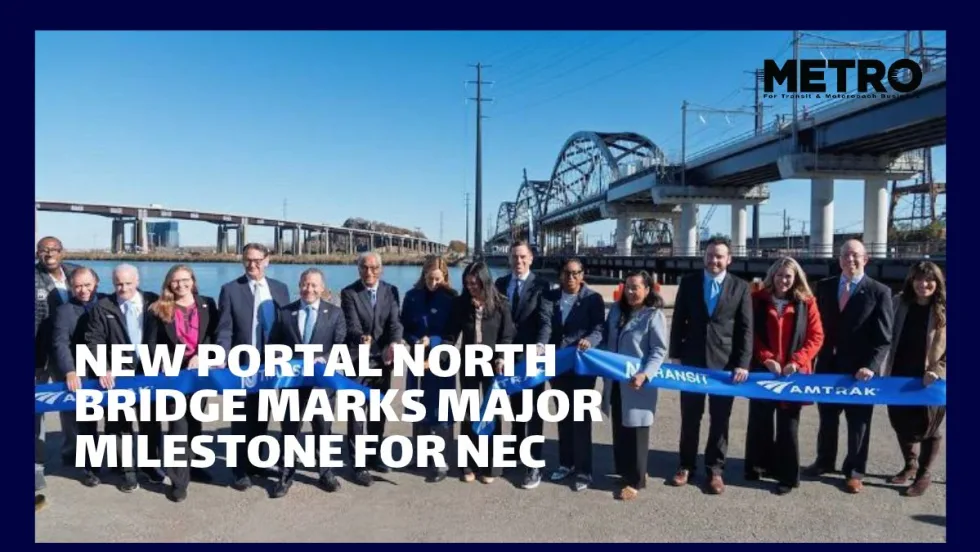
Amtrak, NJ TRANSIT Launch Full Service on New Portal North Bridge
The completion of the two-track bridge over the Hackensack River eliminates a longstanding source of delays for NJ TRANSIT and Amtrak customers. It marks a major milestone for the Gateway Program.
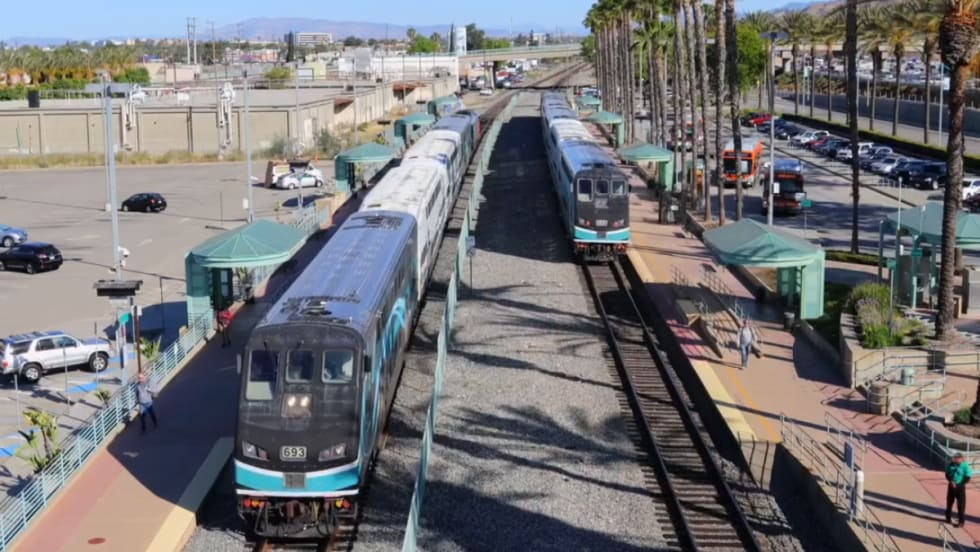
Southern California’s Metrolink Approves $508.8M Budget, Avoids Service Cuts
A $20 million state allocation allows the regional rail agency to maintain existing weekday and weekend service through fiscal year 2028, although longer-term funding challenges remain.
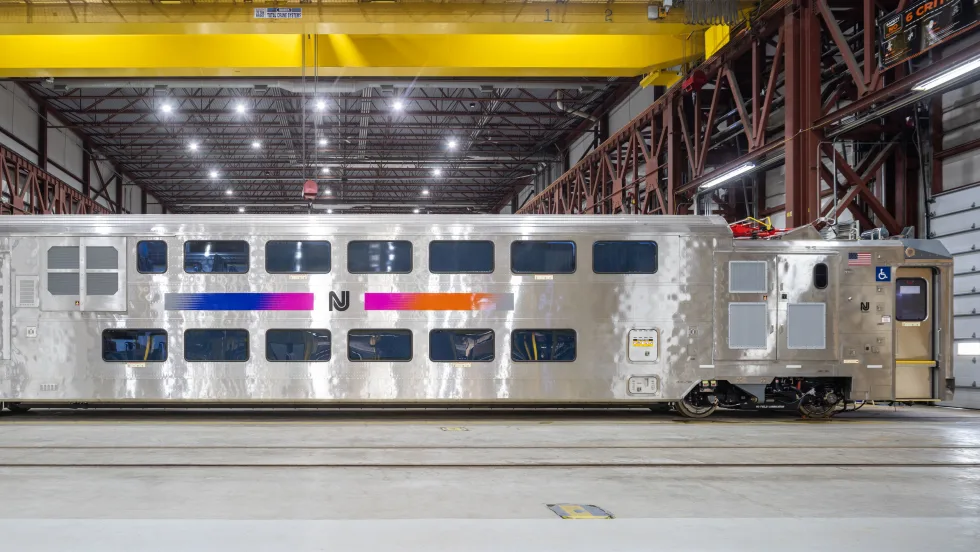
NJ TRANSIT Approves $65.6M for Hudson-Bergen Light Rail Improvements
The funding marks the first phase of a planned $250 million investment over five years to modernize stations, overhaul vehicles, and improve system reliability and passenger safety.

STraffic Expands North American Presence with Fare Collection Technology
John Moon, Associate Director, Product Strategy at STraffic, discusses the company's growth in North America, its efforts to reduce fare evasion, and more.

Study: Denver RTD Generates $2.1 Billion in Annual Economic Activity
An economic impact study finds the agency supports approximately 17,500 jobs, delivers $1.6 billion in annual community and mobility benefits, and generates $2.42 in economic value for every dollar invested.