



Helping transit agencies create a COVID-19 exit strategy at no cost
An immediate return to previous levels of service will not be feasible in many cases, given the changes wrought by the pandemic that need to be addressed in transportation exit plans.

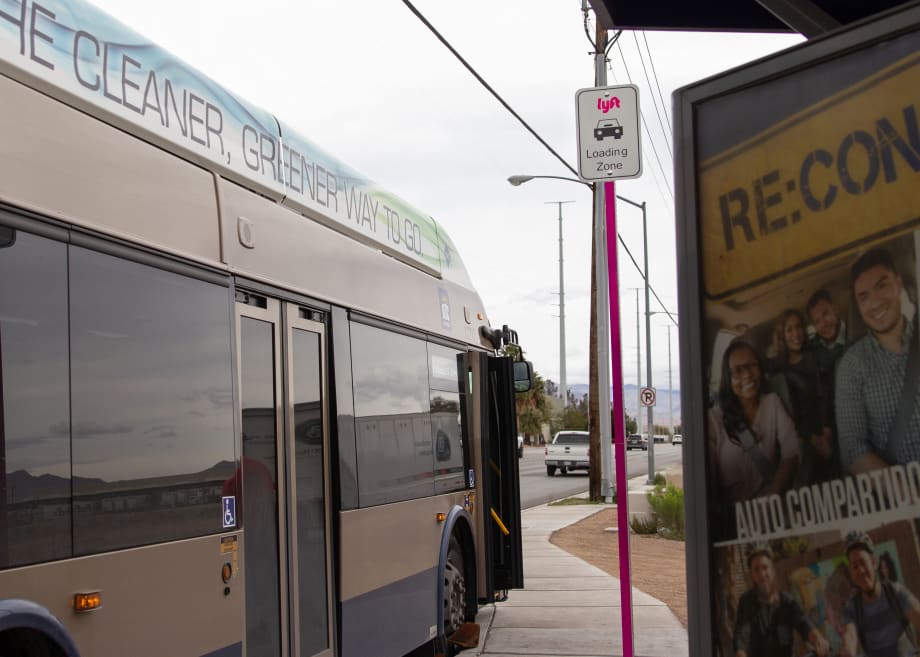
Restoring service will be a gradual and iterative process, and the ability to quickly prepare and evaluate multiple scheduling scenarios enables transportation providers to determine a multi-layered exit strategy. RTC of Southern Nevada
Different cities, regions, and countries were hit by the COVID-19 outbreak at varying times and instituted changes to their transportation systems at different points and in different ways. Now that parts of the world are considering the next stage of managing the pandemic — how to gradually reverse lockdown and revive the economy while attempting to keep contagion rates down — the time has come to evaluate different exit strategies for public transit.
Restoring service will be a gradual and iterative process, and the ability to quickly prepare and evaluate multiple scheduling scenarios enables transportation providers to determine a multi-layered exit strategy that will work even in their unique and dynamic situation.
An immediate return to previous levels of service will not be feasible in many cases, given the changes wrought by the pandemic that need to be addressed in transportation exit plans, such as:
Drastic declines in ridership: With many cities on lockdown and non-essential residents encouraged to stay away from public transit, ridership has been reduced by unprecedented levels. As passengers gradually return, plans will have to be adjusted in accordance with actual ridership, meaning that multiple scenarios will need to be developed.
Risk of crowding: High-demand routes may require greater frequency or the use of reserve buses to preserve social distancing as ridership rises, introducing a new planning requirement.
Closed destinations: As cities start moving out of lockdown, destinations such as schools, offices and shopping centers will reopen gradually, and transit service may need to shift depending on the status of the destinations served by various routes.
Changes to peak hours: Cities may work to flatten peak hours by staggering opening times of schools or instituting shifts at some workplaces, which will affect transit demand at varying times of day.
Disinfection requirements: More time will need to be allotted in the schedule for vehicles to be disinfected during the day and the requisite staffing will need to be scheduled.
Evaluating multiple exit scenarios can help mass transportation transition as smoothly as possible from the pandemic lockdown stage to the exit strategy stage. It will become increasingly necessary to provide valuable and efficient transit service for all as restrictions are loosened yet adjust to the new normal of social distancing. It is possible that in this environment multiple service changes will be made.
Optibus recognizes that in this unprecedented situation, transit agencies may need help transitioning to the next stage — so they’ve decided to extend its offer of no-cost COVID-19 planning until July 31. More details below:
Who is eligible for coronavirus exit strategy help?
The offer of a no-cost temporary license for the Optibus platform is open to all mass transportation agencies.
Do the scheduling scenarios have to be for exit strategy plans?
Though our primary goal is to help agencies plan their exit strategies, the scheduling scenarios may be used for cities still in lockdown or to prepare for a post-coronavirus future. You can use the license to evaluate changes to work rules, rosters, relief vehicle scheduling, or any other need you may have.
What happens after I request help with planning my exit strategy?
An Optibus team member will contact you.
Then you’ll be able to upload your existing GTFS or TransXChange data onto the Optibus platform, quickly create multiple exit strategy plans for different scenarios, analyze the different scenarios, and export the data back into your current system.
Depending on your needs, you’ll be able to access the following:
Timetable
Vehicle schedule
Crew schedule
Roster
Business metrics
The business metrics allow you to immediately assess the impact of your exit scenarios, including total cost, number of duties and blocks, paid time, vehicle efficiency, and crew efficiency.
How can I get started with COVID-19 exit strategy planning?
Email info@optibus.com with “COVID-19 exit plans” in the subject line.
More New Mobility

From Hardware to Digital Partner: Luminator Charts Its Next Chapter
CEO Magnus Friberg discusses Luminator’s shift toward becoming a digital partner, the growing importance of software and interoperability, and how AI can help agencies improve operations and passenger experience.
Read More →
Biz Briefs: Alstom Lands Canadian Contract, LYT to Supply California TSP, and More
In METRO's latest installment, we take a look at recent news from Complete Coach Works, Beep, FlixBus, and more partnerships making headlines across the transportation sector.
Read More →
CharterUP’s Armir Harris on Technology, AI, and the Future of Group Mobility
In a recent episode of METROspectives, CharterUP Founder/CEO Armir Harris discussed the company’s evolution from an online charter bus marketplace into a technology platform supporting public- and private-sector mobility and much more.
Read More →
Jacksonville’s NAVI Project Charts a New Course for Autonomous Public Transportation
Through its NAVI program, JTA is showing how autonomous vehicles, intelligent infrastructure, and coordinated operations can work together to deliver everyday public transportation.
Read More →
Biz Briefs: Luminator Marks Milestone and More
From manufacturers and suppliers to transit agencies and motorcoach operators, these updates offer a snapshot of the projects, partnerships and business moves driving the industry forward.
Read More →
New Tricks for Old Bureaucracies: Joshua Schank on Making Transit Innovation Stick
Former LA Metro Chief Innovation Officer Joshua Schank discusses why good ideas aren't enough, how transit agencies can overcome resistance to change, and why today's challenges demand more innovation.
Read More →
How DART's GoPass Is Redefining Regional Mobility
Serving 14 transit agencies, GoPass simplifies multimodal travel by allowing riders to plan, pay for, and manage an entire trip through one app.
Read More →
Biz Briefs: OCTA Taps Clean Energy for Hydrogen Station, Stadler to Supply Via Rail Vehicles, and More
From manufacturers and suppliers to transit agencies and motorcoach operators, these updates offer a snapshot of the projects, partnerships and business moves driving the industry forward.
Read More →CharterUP Expands Into New Mobility and Autonomous Transportation
Vice President of New Mobility Stephen Joos discusses how CharterUP is leveraging its nationwide transportation network, technology platform, and autonomous vehicle partnerships to expand into workforce mobility, campus shuttles, and transit solutions.
Read More →
METRO Magazine Announces 2026 Innovative Solutions Awards Winners
Projects Recognized for Advancing Mobility Through Technology, Accessibility, Workforce Innovation, and Operational Excellence
Read More →