HNTB, Sound Transit Celebrate Opening of Lynnwood Link Extension
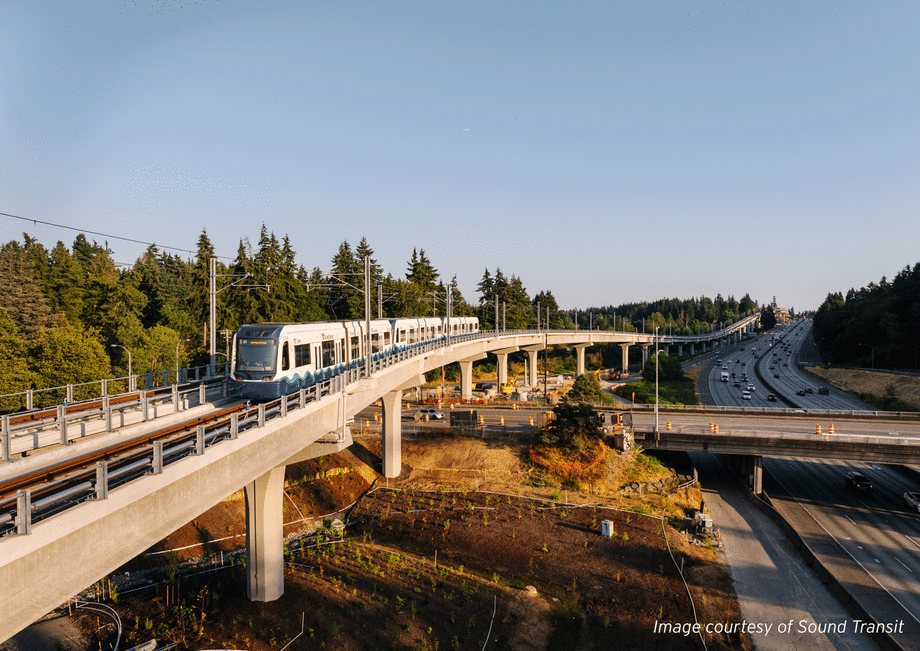
Now called the “1 Line to Lynnwood,” the line connects Northgate Station to Lynnwood Transit Center and marks the first light rail extension to Snohomish County, Wash.
Sound Transit's extensive, multi-year project, incorporating four new light rail stations, three parking garages, and 8.5 miles of track, is the culmination of innovative design and a collaborative partnership.
Photo: Sound Transit
2 min to read
HNTB is celebrating a significant milestone in Seattle’s regional transit development with the completion of Sound Transit's Lynnwood Link Extension.
Now called the “1 Line to Lynnwood,” the line connects Northgate Station to Lynnwood Transit Center and marks the first light rail extension to Snohomish County, Wash.
Ad Loading...
The extensive, multi-year project, incorporating four new light rail stations, three parking garages, and 8.5 miles of track, is the culmination of innovative design and a collaborative partnership.
HNTB served as project manager on all engineering and architectural aspects of the project design and construction support.
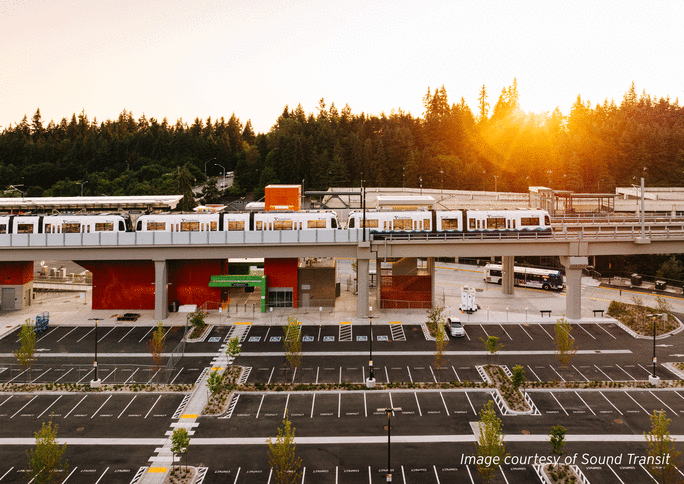
Photo: Sound Transit
1 Line to Lynwood
The grand opening ceremonies kicked off Aug. 30, with a ribbon cutting at the Lynnwood City Center Station, leading to the inaugural service to and from Lynnwood.
“For 25 years, HNTB’s partnership with Sound Transit has been founded on trust, collaboration and a shared commitment to excellence,” said Kris Agers, HNTB’s Washington state office leader and sr. VP. “We’re pleased to be part of another successful collaboration in delivering innovative design solutions for Sound Transit’s $18 billion capital program.”
Four passenger stations have been constructed, two in the City of Shoreline, one in Mountlake Terrace and one in Lynnwood, each designed to accommodate high volumes of daily commuters.
Photo: Sound Transit
HNTB’s Role in the Sound Transit Project
HNTB served as project manager on all engineering and architectural aspects of the project design and construction support.
HNTB’s innovative approach, including the use of cutting-edge 3-D modeling and delivering design packages early, allowed construction to begin prior to completion of the entire design, enhanced the team collaboration, and significantly accelerated the construction timeline.
Ad Loading...
“This new service marks the first time Sound Transit’s Link Light Rail System has extended into Snohomish County, broadening the range of the entire line and connecting communities across the region,” said Sound Transit vice chair Dave Somers. “The Lynnwood Link Extension will provide an efficient and sustainable transit option and bring numerous benefits to the region by enhancing daily commutes, reducing environmental impact and fostering economic development.”
Four passenger stations have been constructed, two in the City of Shoreline, one in Mountlake Terrace and one in Lynnwood, each designed to accommodate high volumes of daily commuters.
HNTB is also managing the design of an additional fifth station at 130th Street in Seattle, reflecting its ongoing involvement and adaptability in accommodating changes and expansions to the project scope.
Contract Four is the largest in the Second Avenue Subway Phase 2 project and includes construction of station infrastructure, tracks, and signals for the subway expansion, MTA officials said. Work on Contract Four will begin in 2027.
The Garden State Initiative analysis examines the roles of Amtrak infrastructure, fleet management, and agency operations while recommending a more performance-based approach to improving reliability.
Beginning in 2027, Stadler will provide on-site technical expertise, spare parts support, training, and obsolescence management to help extend the reliability and longevity of CapMetro’s GTW fleet.
In METRO's latest installment, we take a look at recent news from Complete Coach Works, Beep, FlixBus, and more partnerships making headlines across the transportation sector.
Pedestrian microsimulation is helping rail planners identify bottlenecks, test station designs, and prepare complex transit hubs for growing passenger volumes.
The privately developed project would offer a 15-minute trip between downtown and O’Hare’s Terminal 2, with trains operating every 15 minutes on a dedicated track. The service would use battery-electric trains and three existing freight rail rights-of-way.
The draft feasibility report identifies strategies to protect the coastal rail line for decades as the agency continues near-term stabilization and sand placement efforts.