



Illinois DOT and Cybrbase Launch Groundbreaking Cybersecurity Pilot
Six small and mid-sized transit systems in Illinois are participating in a first-of-its-kind, AI-powered vulnerability assessment designed to close cybersecurity gaps, reduce costs, and build local resilience — offering a scalable model for transit networks nationwide.

The pilot is one of the first of its kind to promote cybersecurity for rural transit systems, which are increasingly vulnerable to attacks but often lack the resources for comprehensive protection.
Photo: METRO
The Illinois Department of Transportation (IDOT) partnered with Cybrbase, a transportation infrastructure cybersecurity firm, to pilot a group-based cybersecurity vulnerability assessment across six small and mid-sized rural transit agencies.
The initiative aims to tackle growing cybersecurity threats by providing cost-effective, collaborative solutions for systems often overlooked due to limited budgets and staffing.
Participating agencies include Decatur Public Transit System, Piatt County Public Transportation, QC Metrolink, Reagan Mass Transit, and Warren County Public Transportation.
The IDOT Cybersecurity Pilot
The pilot is one of the first of its kind to promote cybersecurity for rural transit systems, which are increasingly vulnerable to attacks but often lack the resources for comprehensive protection.
“As a transportation leader, Illinois DOT is closely watched by agencies across the country,” said Scott Belcher, sr. advisor at Cybrbase. “This initiative is intended to close the cybersecurity gap among local transit operators.”
Cybrbase’s approach blends individual confidentiality with group collaboration. Each agency conducts its cybersecurity assessment using a proprietary, AI-powered platform based on the NIST Cyber Resilience Review (CRR).
The tool simplifies the discovery of vulnerabilities and helps agencies design mitigation strategies tailored to their specific resources and risk tolerance, Cybrbase officials said.
Officials said the group model also fosters peer learning and shared best practices, leveraging the non-competitive nature of public transit to build collective resilience without exposing individual agencies' data.
Addressing a National Risk
The pilot follows a recent study by the Mineta Transportation Institute that found significant cybersecurity gaps across the transit industry, particularly among rural and small agencies.
The report found that the systems are often burdened with outdated technologies and limited IT support, making them prime targets for cyberattacks that could disrupt transportation services and compromise public safety.
By demonstrating how state agencies can help local transit systems bolster cybersecurity affordably, officials hope the IDOT-Cybrbase pilot may serve as a replicable model for other states, risk pools, and transit networks nationwide.
Cybrbase officials added that the program’s success could redefine how cybersecurity is approached at the local transit level, shifting the narrative from reaction to resilient, preventive action.
More Security and Safety

Transit Agencies Highlight Safety Gains at National Summit
Leaders from 15 major transit systems shared crime-reduction results and safety initiatives while discussing the role of continued federal support.
Read More →
DART Launches Major Security, Fare Enforcement Initiative
The 90-day demonstration will deploy coordinated security teams at five light rail stations while testing controlled access and gathering data to guide future investments.
Read More →
RTD Launches NextRide App to Consolidate Trip Planning, Fares, Security Reporting
The app expands on RTD’s existing NextRide web application and allows customers to view real-time vehicle locations and service alerts, purchase and store digital fares, and access customer support.
Read More →
TAPTCO Updates OSHA Compliance Training for Transit Maintenance Operations
The revamped program addresses 26 OSHA standards for maintenance facilities, with TAPTCO pointing to training, documentation, and everyday shop hazards as continuing challenges for transit operations.
Read More →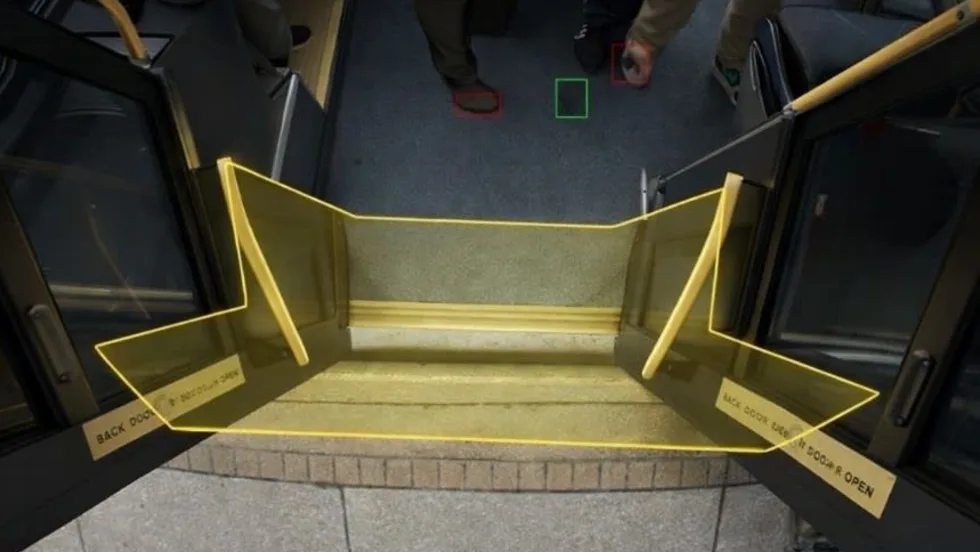
How VaporVision Adds Value to Transit Door Systems
Wabtec engineers explain how the system improves doorway detection, strengthens diagnostics and gives transit agencies and OEMs greater operating flexibility.
Read More →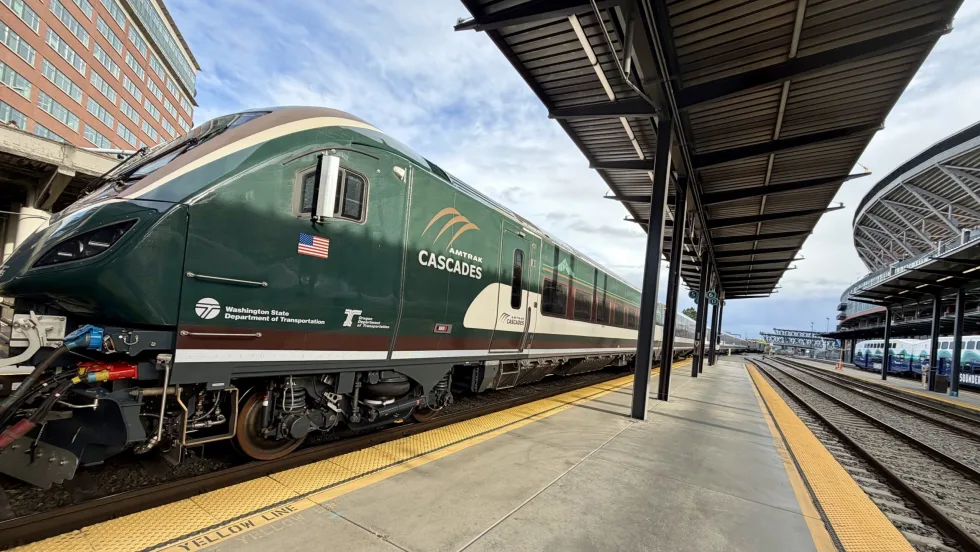
FRA Announces $5.3B in Rail Investments, Including $2B for Amtrak
Funding will support grade-crossing improvements, infrastructure upgrades, and new Amtrak equipment in 23 states.
Read More →
Chicago, Maryland Expand Non-Law-Enforcement Safety, Rider Support
The CTA and MTA are launching new programs aimed at de-escalation, crisis response, rider assistance, and greater transparency.
Read More →
LA Metro, City of West Hollywood, and Partners Advance Smarter Bus Lane Enforcement
The award-winning partnership combines AI-powered detection with human oversight to improve bus reliability, accessibility, and enforcement efficiency.
Read More →
LA Metro Reports 57% Decline in Homelessness on Transit System Since 2024
The agency's latest homelessness count offers new data on how care-based services and cross-sector partnerships can complement traditional transit security strategies.
Read More →
FTA Launches 'Transit Moves America' Dashboard to Highlight Agency Safety and Performance
The online dashboard transforms National Transit Database information into a public-facing resource that allows users to compare transit agencies on key operational and safety metrics.
Read More →