



MTI Follow-Up Report Finds Transit Still Lacking in Cybersecurity
The latest study — “Does the Transit Industry Understand the Risks of Cybersecurity and Are the Risks Being Appropriately Prioritized?” — paints a sobering picture: progress has been slow, uneven, and insufficient to meet the escalating risks posed by cybercriminals.

The MTI report makes it clear that cybersecurity is not just a technical concern — it’s a leadership, staffing, and strategic issue.
Photo: METRO
Despite rising threats and increased reliance on digital systems, America’s transit agencies are still struggling to catch up with basic cybersecurity practices, according to a new report from the Mineta Transportation Institute (MTI).
In its follow-up to a 2020 study that highlighted the sector’s lack of preparedness, MTI’s new report — “Does the Transit Industry Understand the Risks of Cybersecurity and Are the Risks Being Appropriately Prioritized?” — paints a sobering picture: progress has been slow, uneven, and insufficient to meet the escalating risks posed by cybercriminals.
Minimal Progress Despite Mounting Threats
Drawing on surveys from 78 agencies, in-depth interviews with transit professionals, and a comprehensive literature review, the study identifies three core challenges still hampering cybersecurity across the industry:
Widespread Leadership Disconnect: Many transit executives remain unaware of their organizations' specific cybersecurity risks. Even among those who recognize the danger, there’s often little understanding of the measures being taken — or not taken — by their teams.
Missing or Incomplete Cyber Policies: Many agencies lack formal documentation of cybersecurity policies and procedures. These gaps leave them vulnerable to threats and unprepared for incident response.
Small Agencies Falling Further Behind: While larger agencies have made some strides, smaller transit operators are lagging significantly. Adopting best practices — such as assessments, policy development, and staff training — is far less common at smaller organizations.
“The increasing sophistication of cybercriminals, in combination with a greater reliance on technology within the transit industry, puts the industry at higher risk than in 2020,” the report’s authors caution.
Recommendations for Closing the Gap
To reverse course, MTI outlines a clear set of action steps:
Develop and regularly update a customized cybersecurity plan.
Conduct annual cybersecurity assessments and act promptly on the findings.
Establish and follow documented cybersecurity policies and procedures.
Ensure at least one staff member holds a cybersecurity certification and is qualified to oversee internal systems and third-party vendors.
Without these foundational elements in place, agencies remain vulnerable to data breaches, service disruptions, and safety hazards tied to digital infrastructure failures.
A Call for Industry-Wide Coordination
The report makes it clear that cybersecurity is not just a technical concern — it’s a leadership, staffing, and strategic issue. Solving it requires a coordinated, industry-wide response.
As public transit's digital footprint continues to grow — from fare systems and vehicle telemetry to scheduling and customer service platforms — the consequences of inaction become more severe.
“Agencies are not conducting regular cybersecurity assessments or putting basic policies and procedures in place to minimize the likelihood of a cybersecurity breach and to recover from the harm when one occurs,” the report states.
More Security and Safety

Public Transit Conference Returning to GFX in 2027, Call for Papers Now Open
The Call for Papers is now open, allowing transit agency professionals and industry experts to help shape the PTC educational program by submitting session ideas for consideration.
Read More →
Safe Transit Act Proposes New Security Requirements for Federal Transit Funding
Proposed legislation would link federal transit dollars to safety measures while requiring security investments, onboard cameras, and new fare collection standards.
Read More →
FTA Ends Direct Oversight of MBTA Safety Actions
The federal agency closed its remaining special directive to the Massachusetts Department of Public Utilities following a safety review that began in 2022.
Read More →
Transit Agencies Highlight Safety Gains at National Summit
Leaders from 15 major transit systems shared crime-reduction results and safety initiatives while discussing the role of continued federal support.
Read More →
DART Launches Major Security, Fare Enforcement Initiative
The 90-day demonstration will deploy coordinated security teams at five light rail stations while testing controlled access and gathering data to guide future investments.
Read More →
RTD Launches NextRide App to Consolidate Trip Planning, Fares, Security Reporting
The app expands on RTD’s existing NextRide web application and allows customers to view real-time vehicle locations and service alerts, purchase and store digital fares, and access customer support.
Read More →
TAPTCO Updates OSHA Compliance Training for Transit Maintenance Operations
The revamped program addresses 26 OSHA standards for maintenance facilities, with TAPTCO pointing to training, documentation, and everyday shop hazards as continuing challenges for transit operations.
Read More →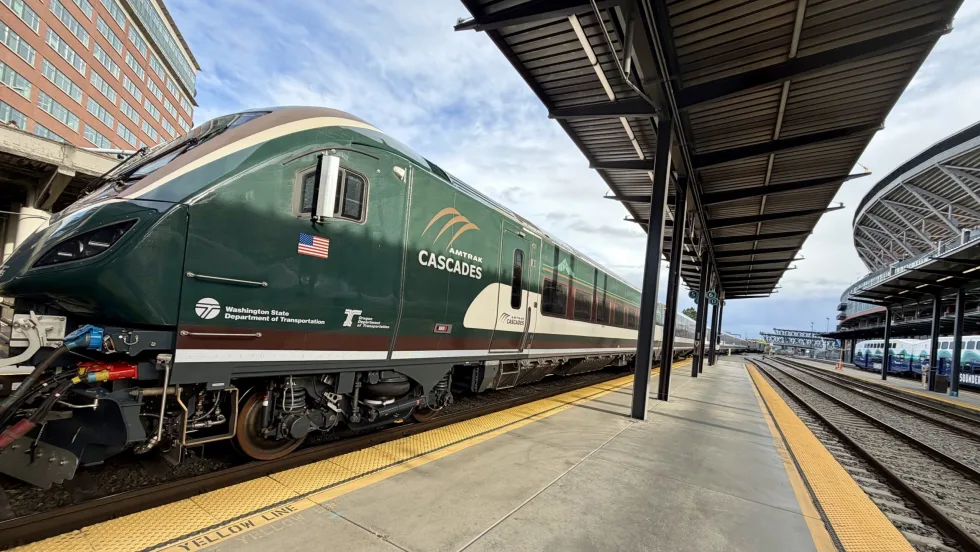
FRA Announces $5.3B in Rail Investments, Including $2B for Amtrak
Funding will support grade-crossing improvements, infrastructure upgrades, and new Amtrak equipment in 23 states.
Read More →
Chicago, Maryland Expand Non-Law-Enforcement Safety, Rider Support
The CTA and MTA are launching new programs aimed at de-escalation, crisis response, rider assistance, and greater transparency.
Read More →
LA Metro, City of West Hollywood, and Partners Advance Smarter Bus Lane Enforcement
The award-winning partnership combines AI-powered detection with human oversight to improve bus reliability, accessibility, and enforcement efficiency.
Read More →