



Jacksonville Transit route optimization a success
In March alone, ridership was up 10.1% in 2015 compared to March of 2014. Average weekday ridership was up 7% and even greater increases were seen on weekends. The average ridership on Saturdays increased by 10% and on Sundays by 15%.

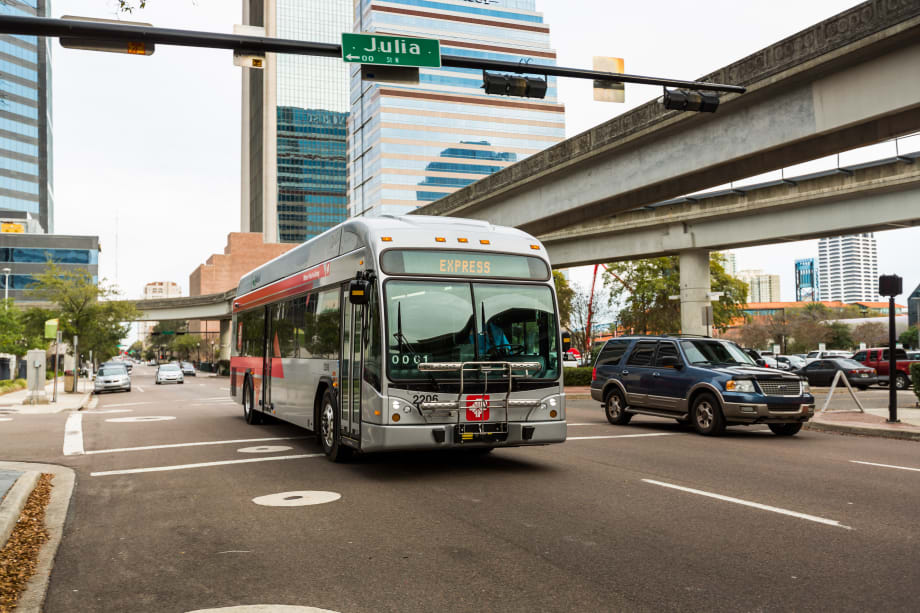
VisitJacksonville
VisitJacksonville
The Jacksonville Transportation Authority (JTA) published March 2015 ridership figures that indicate four straight months of ridership growth after implementing the Route Optimization Initiative (ROI).
Without additional annual operating costs, JTA completely reconfigured its routes to make routes more direct, improve service frequency, provide more service in the evenings and weekends, and better coordinate schedules. JTA also implemented real-time passenger information with the launch of ROI on Dec. 1, 2014.
In March alone, ridership was up 10.1% in 2015 compared to March of 2014. Average weekday ridership was up 7% and even greater increases were seen on weekends. The average ridership on Saturdays increased by 10% and on Sundays by 15%. The Ridership average over the first four months since implementation is up 6% with more than 200,000 trips over the same period last year.
When JTA launched ROI, its goal was to maintain stable ridership initially and attain long-term ridership growth. Generally, major bus service changes result in initial ridership decline. Since ROI was a complete overhaul of the bus routes, the potential for initial ridership loss was very high.
“The numbers are great in that they give us an indication of how ROI is working,” said Nathaniel Ford, Sr., JTA’s CEO. “The true gratification is behind the numbers. These are people who are using our system to get to jobs, visit friends and families, go shopping, or see the doctor. This shows that if we put a better service out there, people will use it. It will make people’s lives better and strengthen our community. It’s much more than numbers to us.”
On March 2, JTA implemented minor route modifications to address initial feedback and additional changes will be made in July. These will largely refine the service and schedules to improve on time performance. In December 2015, JTA will launch the North Corridor First Coast Flyer (FCF) bus rapid transit.
FCF will be a premium service with 10-minute peak hour frequency, new branded compressed natural gas (CNG) buses, superstops with real-time passenger information and ticket vending machines at hubs and transit signal priority to allow buses to move quickly through the FCF corridor. This service launch will coincide with grand opening of a new CNG fueling facility that will not only fuel JTA buses, but allow other fleets to access a public station at JTA’s Myrtle Avenue campus.
More Management
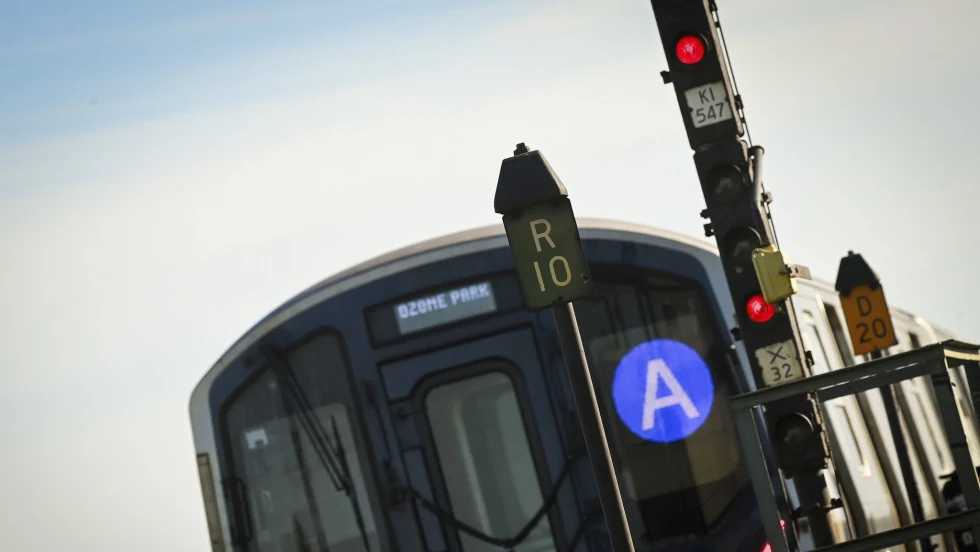
New York MTA Launches Historic $1.9B Signal, Track Modernization Project
Funded in part by congestion pricing revenue, the project will replace nearly century-old signals along the A and C lines in Brooklyn and Queens.
Read More →
Brian Dickson on Building Stronger, More Resilient Transportation Organizations
Bus Business Consultants Founder Brian Dickson discusses the leadership principles, operational discipline, and strategic planning that separate transportation companies positioned for long-term success from those stuck in survival mode.
Read More →
LA Metro Breaks Ground on Vermont BRT Project
The 12.4-mile corridor is projected to serve 66,200 daily riders, reduce travel times by up to 24%, and create the nation's busiest bus rapid transit corridor.
Read More →
Building Stronger Leaders, More Resilient Transit Teams
Dr. Carol Parker Walsh discusses leadership development, employee retention, workplace culture, and preparing transit’s workforce for AI and automation.
Read More →
Roman Cornell on ABC Companies’ Evolution and the Future of Passenger Transportation
The company’s CEO discusses carrying forward a third-generation family legacy, ABC’s continued evolution in passenger transportation, support for increasingly complex fleets, and how technology and continued investment could help operators improve uptime.
Read More →
CATS Launches West Charlotte Microtransit Zone, Expands Transit Services
The new microtransit zone connects residents to key destinations as Charlotte Area Transit System rolls out the first phase of its 2055 Transit System Plan.
Read More →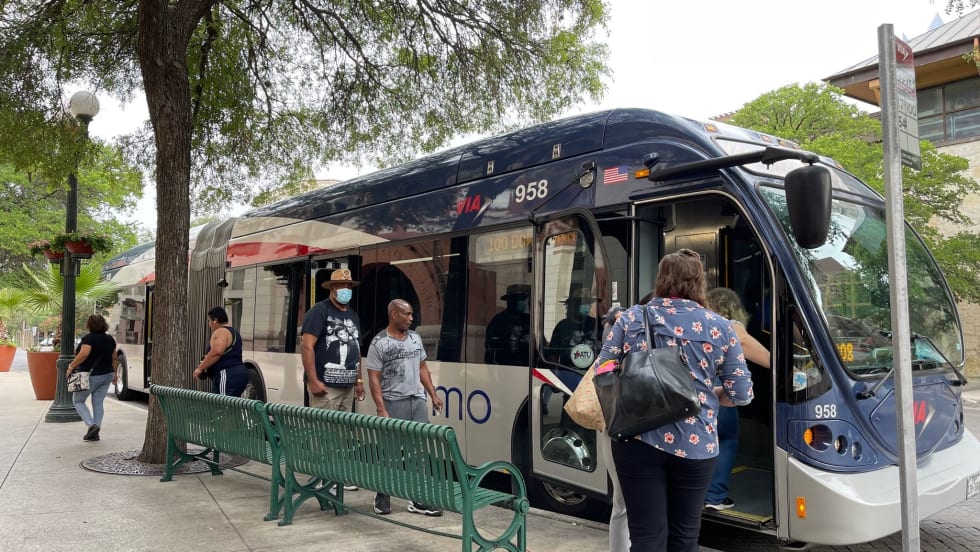
VIA Bus Ridership Grows 10.1% Through August 2026
San Antonio's VIA Metropolitan Transit reported the highest bus ridership growth among major Texas transit systems. Federal Transit Administration data ranked it second among the nation's 50 largest transit systems.
Read More →
CSA Group Releases Climate Resilience Standard for Transit, Passenger Rail
Developed with support from the Standards Council of Canada, CSA D700 guides assessing climate-related risks and planning adaptation measures for transit and passenger rail systems.
Read More →
ETA CEO John Maglio on Transit Technology, Innovation, and Building Agency Trust
ETA founder and CEO John Maglio explores the evolution of transit technology, the importance of reliable systems, and how stronger partnerships can help agencies improve operations and the passenger experience.
Read More →
COTA Launches First Customer Experience Action Plan to Improve Transit Service
The new plan outlines improvements to service reliability, accessibility, communication, and the overall rider experience across Central Ohio's transit system.
Read More →