



'Jobs, economy at risk,' declares group
Transit supplier coalition challenges Congress to refine Buy America regulations.

Sparked by a groundswell of concern over jobs and the economy among transit suppliers — and at the urging of several U.S. lawmakers — a group of companies has banded together to form "U.S. Transit Suppliers Mean Business," a coalition created to collectively urge Congress to refine Buy America regulations as they relate to transit projects.
The new coalition, comprised primarily of public transit suppliers, is led by Cubic Corp., and so far includes GFI-GENFARE, Colorado Railcar, Gillig Corp., Motor Coach Industries Inc. and DRI.
“The Buy America Act needs a congressional ‘tune-up,’” said Richard Trenery, spokesperson for the coalition. “This new coalition has been formed to pinpoint steps to improve the Buy America provisions to ensure implementation of the intent of Congress. Proper application of the Buy America provi-sions will provide for more American jobs, boost the U.S. economy, and enhance tax revenues while providing for free and open trade. Without congressional action, thousands of American jobs and hundreds of millions of dollars worth of American-made products are in jeopardy,” said Trenery.
When federal dollars are used to fund transit projects, all bidders are required to comply with Buy America regulations.
Several lawmakers have expressed their strong concern to the transit supplier industry and federal regulators that inconsistencies exist between some interpretations and applications of the regulations and the intent of Congress as originally expressed. The coalition is working closely with federal legislators to realign regulatory decision-making with the letter and spirit of the law.
To provide the necessary tools and clarity to aid and support decision-making under the act, the coalition is advocating a simple, four-step legislative “tune-up” of the act:
1. Eliminate the over-one-decade-old “temporary” exemption related to microprocessors;
2. Restrict the usage of waivers;
3. Clarify and tighten the definition of “manufactured product”; and
4. Ensure all federal regulatory agency decisions involving Buy America are subject to review under the Administrative Procedures Act.
The two most critical economic issues today are “jobs” and the “deficit.” Enforcing the intent of Congress in the Buy America Act will do a great deal to help both issues.
“By taking action, Congress can immediately benefit American taxpayers, workers and businesses. In a struggling economy, U.S. citizens want their tax money to support Americans and American-made products,” said Brian Macleod, senior vice president of Gillig Corp. “With a little effort, Congress can save jobs and help preserve our economy.”
More Management

COTA Launches First Customer Experience Action Plan to Improve Transit Service
The new plan outlines improvements to service reliability, accessibility, communication, and the overall rider experience across Central Ohio's transit system.
Read More →
LA Metro September Ridership Climbs 3.9%, Led by Rail Growth
The agency recorded more than 27.2 million boardings, with rail ridership increasing 12.4% year over year and the D Line posting the largest gains.
Read More →
Utilimarc Launches SmartReplace to Optimize Fleet Replacement Decisions
AI-powered SmartReplace helps fleets prioritize vehicle replacements, model budget scenarios, and build more defensible long-term strategies.
Read More →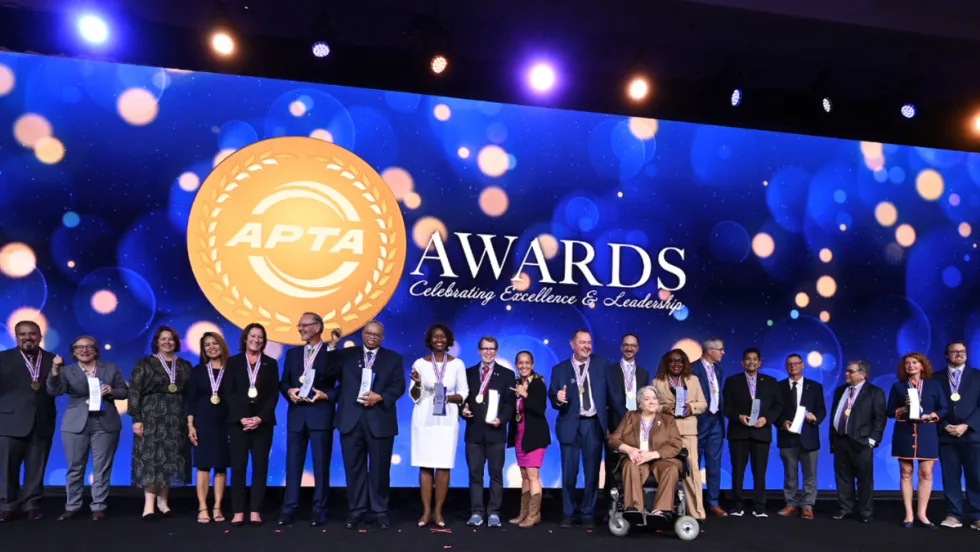
APTA Honors 2026 Award Winners, Hall of Fame Inductees at TRANSform & EXPO
Innovations in autonomous and zero-emission transportation, standout transit systems, and industry leadership took center stage among this year's honorees.
Read More →
7 Ways to Build a Better Transit Internship Program
Lessons from DRPA/PATCO’s approach to creating a meaningful internship experience—and developing the next generation of transportation professionals.
Read More →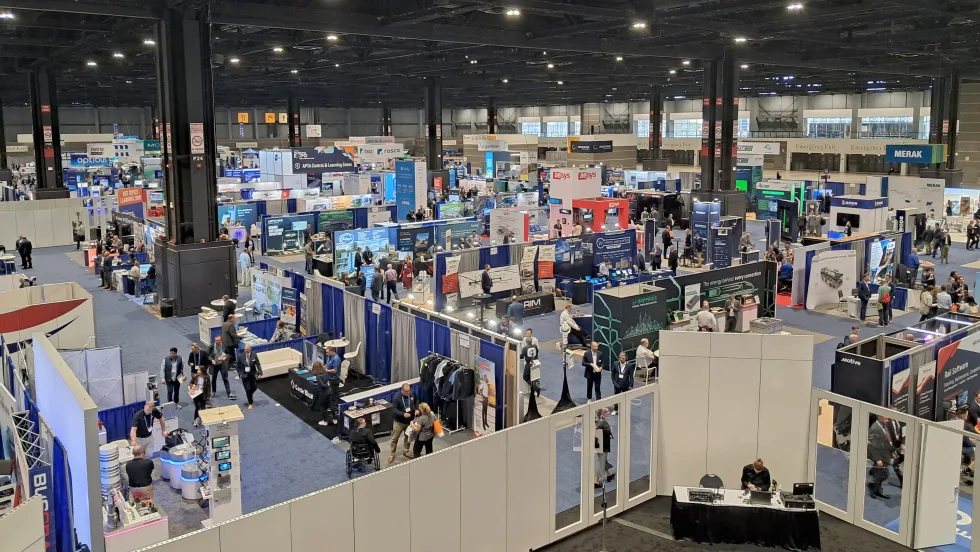
Scenes from APTA TRANSform & EXPO 2026
Transit leaders, manufacturers, and industry professionals gathered in Chicago to explore new technologies, share ideas, and discuss the future of public transportation.
Read More →
Building Stronger Leaders, More Resilient Transit Teams
Dr. Carol Parker Walsh discusses leadership development, employee retention, workplace culture, and preparing transit’s workforce for AI and automation.
Read More →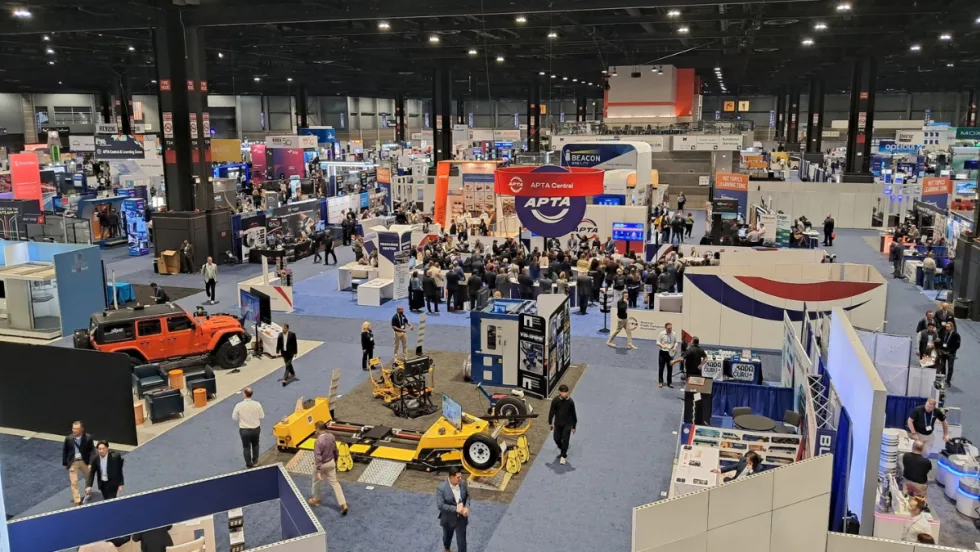
APTA 2026 TRANSform & EXPO Kicks Off in Chicago
After 45 years, APTA returns to Chicago with a focus on next-generation fleets, AI, connected transit networks, and the funding strategies shaping public transportation’s future.
Read More →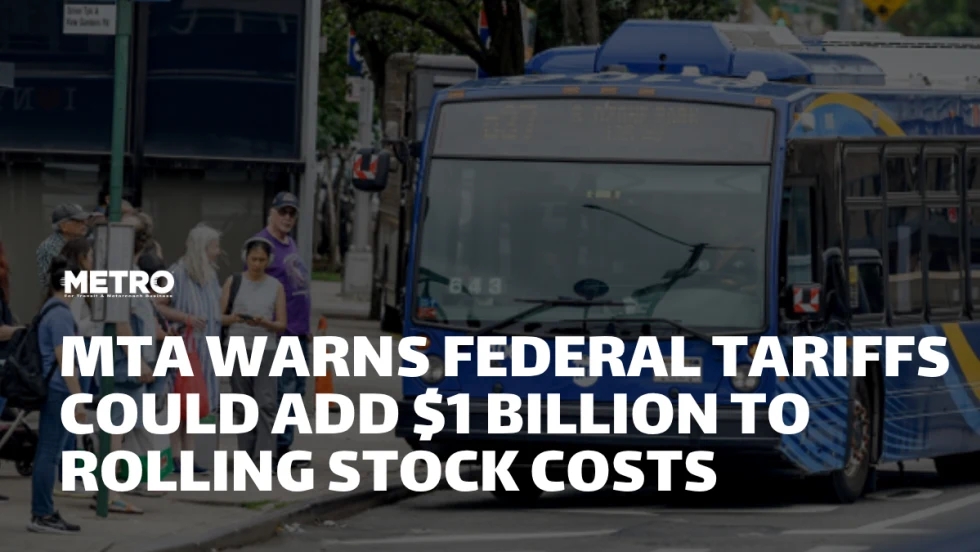
New York MTA Warns Federal Tariffs Could Add $1 Billion to Rolling Stock Costs
The agency said tariffs on specialized imported components could reduce the purchasing power of its $23 billion investment in new subway cars, railcars, and buses.
Read More →
From the Show Floor: What Happened at APTA TRANSform & EXPO 2026
See the latest product launches, partnerships, technology updates, and transit industry announcements from APTA TRANSform & EXPO in Chicago.
Read More →