




RELATED: Metro report charts course for zero-emissions bus fleet
King County Metro launches 'Walk safe' pedestrian awareness campaign
Pedestrian impairment and driver distraction are the largest contributing factors in pedestrian collisions, according to the state Traffic Safety Commission’s Pedestrian Safety Advisory Council reports.
December 18, 2017
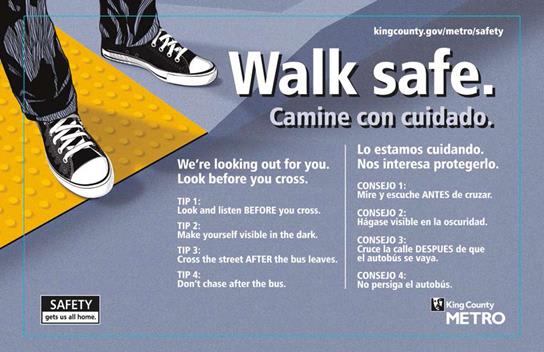
Tip cards, posters, and bus ads will remind riders not to chase buses, to look and listen before crossing streets, to become more visible to drivers when crossing in the dark, and to cross the street only after their bus leaves the bus zone.
KC Metro
2 min to read

Seattle’s King County Metro leaders and transit drivers are distributing “Walk safe” pedestrian safety tip cards as part of the agency’s campaign, “Safety Gets Us All Home.” Metro’s overall goal is to reduce the number of collisions to zero, and chief among them, eliminate pedestrian collisions.
“We care about our community and want everyone to get home safely, and our goal is zero pedestrian collisions. Each of Metro’s nearly 3,000 transit drivers is focused and vigilant, working to avoid pedestrian accidents every day,” said King County Metro GM Rob Gannon. “We hope our awareness campaign helps us reach our zero-collision goal.”
Pedestrian impairment and driver distraction are the largest contributing factors in pedestrian collisions, according to the state Traffic Safety Commission’s Pedestrian Safety Advisory Council reports. Metro serves on the advisory council alongside the City of Seattle, police departments across the state, and pedestrian advocates from Feet First. Pedestrian safety is a priority in the state’s Target Zero and the City of Seattle’s Vision Zero campaigns.
“We don’t want anyone to have to receive that phone call, to learn that their loved one has been hurt or killed while walking. That’s why we are all focused on preventing injuries and saving lives wherever and whenever we can. Metro’s efforts to raise awareness among drivers and pedestrians can help us look out for each other to reach Target Zero,” said Washington State Traffic Safety Commission Director Darrin Grondel.
Tip cards, posters, and bus ads will remind riders not to chase buses, to look and listen before crossing streets, to become more visible to drivers when crossing in the dark, and to cross the street only after their bus leaves the bus zone.
Several pedestrian injuries occur each year when riders chase after a bus. Metro continues working to raise awareness of the dangers of running alongside a moving bus, and hopes that recent and planned increases in transit service help riders make the decision to let a bus go and wait for the next one.
More Security and Safety
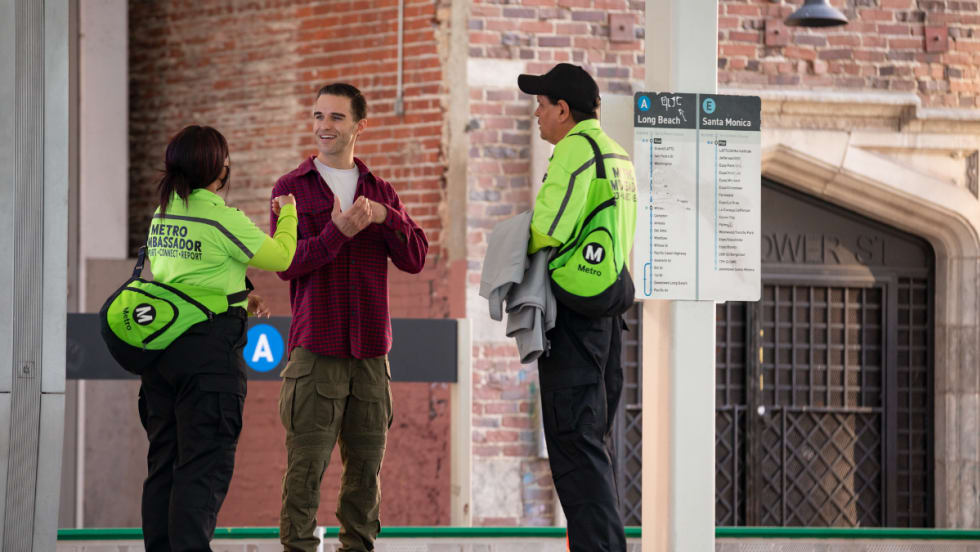
LA Metro Reports 57% Decline in Homelessness on Transit System Since 2024
The agency's latest homelessness count offers new data on how care-based services and cross-sector partnerships can complement traditional transit security strategies.
Read More →
FTA Launches 'Transit Moves America' Dashboard to Highlight Agency Safety and Performance
The online dashboard transforms National Transit Database information into a public-facing resource that allows users to compare transit agencies on key operational and safety metrics.
Read More →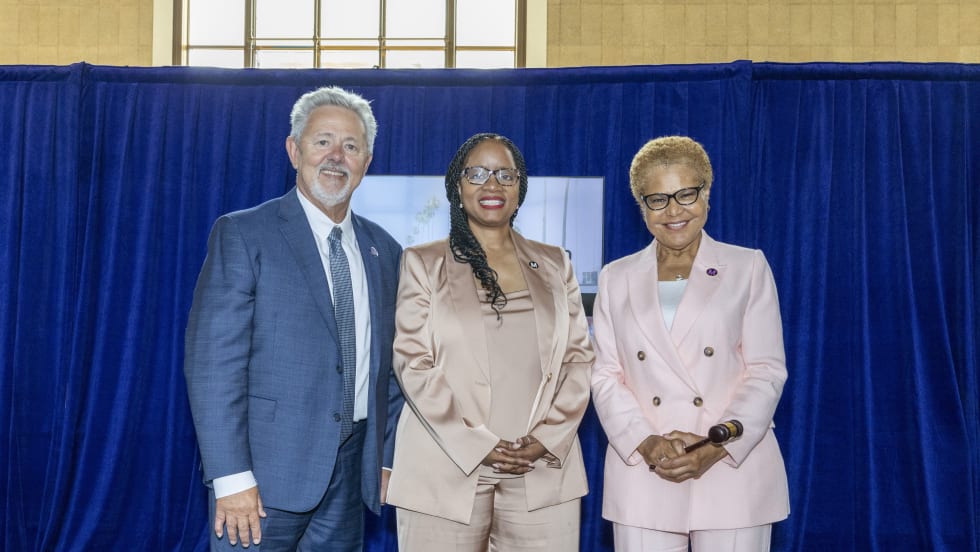
LA Metro Marks Banner Year, Sets Ambitious Goals for New Fiscal Year
Incoming LA Metro Board Chair and Los Angeles Mayor Karen Bass joined outgoing Board Chair Fernando Dutra and LA Metro CEO Stephanie Wiggins to review accomplishments from fiscal year 2026, which included the opening of new rail extensions, advancement of major transit projects, expanded safety programs, and new rider amenities.
Read More →
Building the Next Generation of Transit Technology
In this edition of METROspectives, Luminator CEO Magnus Friberg discusses the company's transformation, the growing role of AI and software, and what's next for transit technology.
Read More →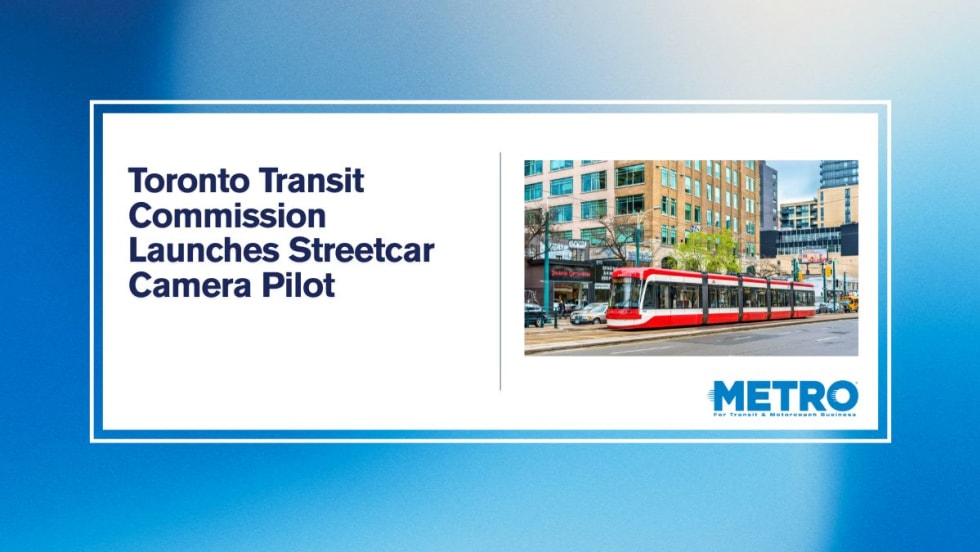
TTC Launches Camera Pilot to Curb Illegal Passing of Streetcars
During the pilot, the cameras will measure how often illegal streetcar passing occurs and test the technology's reliability for future automated enforcement.
Read More →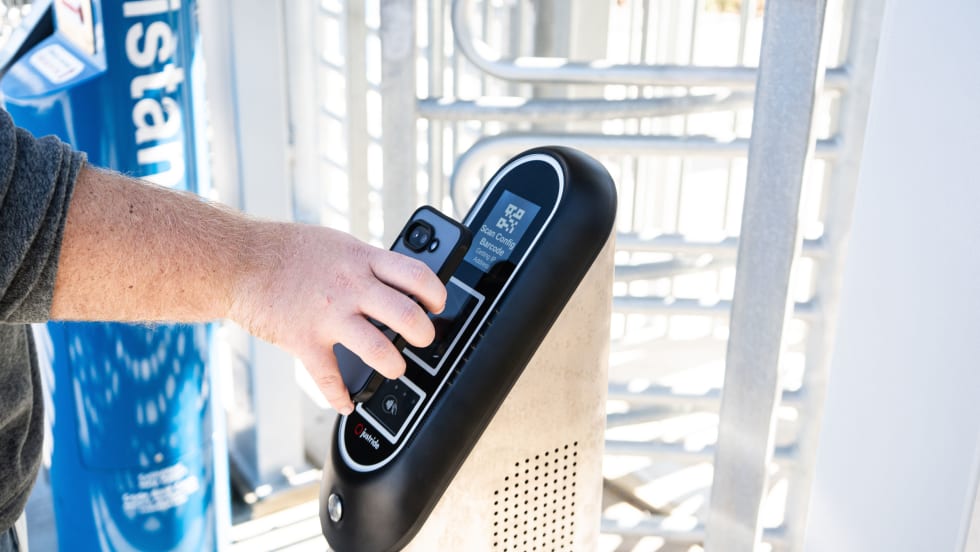
Biz Briefs: Masabi Teams with St. Louis Metro and More
In METRO's latest installment, we take a look at recent news from Transdev, Hitachi, and more partnerships making headlines across the transportation sector.
Read More →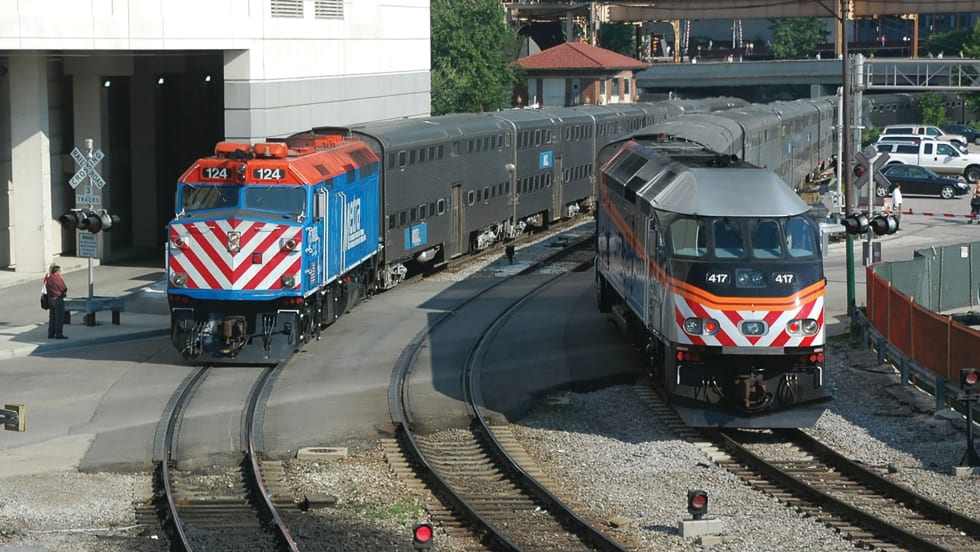
Metra Begins Drone Pilot Project to Boost Safety and Security
The project is funded through a $620,000 grant from FEMA’s Transit Security Grant Program, which provides transit agencies with funding for projects intended to protect critical transportation infrastructure and the traveling public.
Read More →
Building the Next Generation of Transit Technology
In this edition of METROspectives, Luminator CEO Magnus Friberg discusses the company's transformation, the growing role of AI and software, and what's next for transit technology.
Read More →
APTA Recognizes Excellence in Rail Safety and Security at 2026 Rail Conference
Nominations are evaluated on four criteria: effectiveness, benefit level, innovation, and transferability.
Read More →
Biz Briefs: Endera Delivers to California, Safety Vision Teams with San Antonio's VIA, and More
From manufacturers and suppliers to transit agencies and motorcoach operators, these updates offer a snapshot of the projects, partnerships and business moves driving the industry forward.
Read More →