



L.A. Metro's TAP Card Now on iPhone, Apple Watch
The new and safer way to pay transit fares allow Metro and 25 TAP transit agencies in L.A. County to offer easy, contactless bus and rail fare payment to riders.
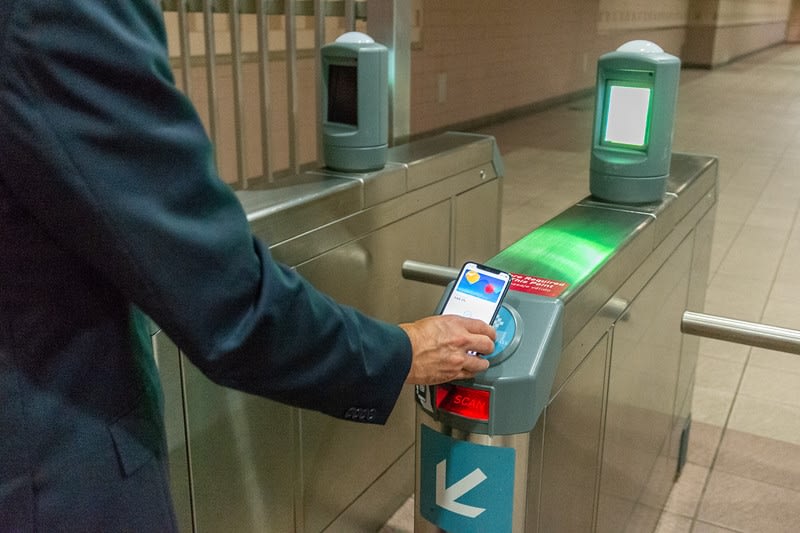
With TAP card on iPhone and Apple Watch, riders can now hold their device near the TAP dial upon boarding a bus or train and fare is validated immediately.
L.A. Metro
The Los Angeles County Metropolitan Transportation Authority (Metro) launched the regional Transit Access Pass (TAP) card on iPhone and Apple Watch. The new and safer way to pay transit fares allow Metro and 25 TAP transit agencies in L.A. County to offer easy, contactless bus and rail fare payment to riders.
With TAP card on iPhone and Apple Watch, riders can now hold their device near the TAP dial upon boarding a bus or train and fare is validated immediately. There’s no need to use Face ID, Touch ID, or wake the device.
The launch makes public transit traveling easier and safer because you can now buy fares and pay for your ride using only your iPhone or Apple Watch — in just seconds. Riders can also quickly add stored value directly from Apple Wallet or in the TAP mobile app with Apple Pay and riders no longer have to use or touch a TAP vending machine or purchase a TAP card from a vendor.
“In the midst of the COVID-19 pandemic, this new feature offers a great option for essential workers, honors social distancing with no bus operator interaction needed by the rider, and works on all TAP participating agencies, whether riders board at the front or at rear doors,” said Metro CEO Phillip A. Washington.
Adding a TAP card to your iPhone or Apple Watch is easy. Either add the card directly through Apple Wallet and load stored value or download the TAP mobile app for easy account management, regional trip planning, and access to all passes, including Metro Bike Share. The TAP app also supports Reduced Fare, Low Income Fare is Easy, and cash paying customers. And, riders can transfer an existing physical TAP card to their iPhone or Apple Watch via the TAP app.
More Technology

Exploring AI's Role in the Future of Paratransit and On-Demand Transportation
Spare's Kristoffer Vik Hansen discusses evolving rider expectations, the challenges facing transit agencies, and how artificial intelligence could help improve paratransit and on-demand mobility services.

How Rally OurBus Connects Motorcoach Operators with Event Transportation Demand
The company's crowd-powered model uses passenger reservations to shape routes, determine capacity, and create new business opportunities for independent motorcoach operators.

What Transit Maintenance Facilities Should Know About Gas-Detection Placement
Proper gas-detector placement is critical to maintaining safety in transit maintenance facilities, requiring agencies to consider fleet fuel types, ventilation, shop operations, and ongoing equipment maintenance.

People Movement: Metrolink's Kettle Announces Retirement, Feakins to CEO at UZURV, and More
In this edition, we also cover recent appointments and announcements at King County Metro, SilverRide, and more, showcasing the individuals helping to shape the future of transportation.

Imagry, Endera Partner for Automated Buses, Luminator Teams with Avail, and More in Biz Briefs
In METRO's latest installment, we also take a look at recent news from RIDE, Alstom, and more partnerships making headlines across the transportation sector.
Amtrak Expands Airo Fleet with Eight Higher-Capacity Trainsets
The new 10-car trains, expected to enter service in 2031, will provide about 34% more seating capacity to meet growing demand on the Northeast Corridor.

Improving Transit Safety and Reliability Through AI
Hayden AI’s Chief Growth Officer, Charley Territo, discusses how AI-powered camera enforcement is helping transit agencies keep bus lanes and stops clear, improve accessibility, and move from pilot programs to full-scale deployments.

STraffic Expands North American Presence with Fare Collection Technology
John Moon, Associate Director, Product Strategy at STraffic, discusses the company's growth in North America, its efforts to reduce fare evasion, and more.

Laketran Cuts Fuel Costs, Boosts Efficiency with Propane-Powered Fleet
The Ohio transit agency is using propane-powered vehicles and on-site fueling infrastructure to cut fuel and maintenance costs while meeting growing demand for paratransit services.

Right-Sizing Rural Transit: Lessons from North Grenville’s On-Demand Model
A small municipality shows how flexible service, rider needs, and public accountability can expand mobility with limited resources.