




With more than one in five Americans older than age 65 not driving, demand for transportation is steadily increasing as the boomer population continues to grow.
Lack of transportation options worry seniors, people with disabilities
Combined with not being able to drive, a new poll finds lack of options leaves them feeling frustrated, isolated, and trapped.
December 7, 2018
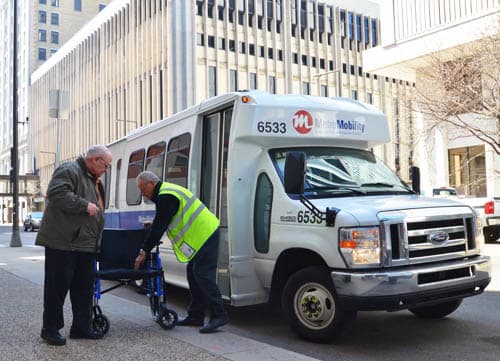
With more than one in five Americans older than age 65 not driving, demand for transportation is steadily increasing as the boomer population continues to grow.
MCC
4 min to read
With more than one in five Americans older than age 65 not driving, demand for transportation is steadily increasing as the boomer population continues to grow.
MCC
A new national poll finds older adults and people with disabilities feel there is a lack of accessible and reliable transportation alternatives, which prevents them from doing the things they need and want to do, which leaves them feeling frustrated, isolated, and trapped.
With more than one in five Americans older than age 65 not driving, demand for transportation is steadily increasing as the boomer population continues to grow. Given that 600,000 people stop driving every year, there is no end to the challenge in sight. To address the growing demand for transportation services and the concern that there are insufficient resources and information available to help, the National Aging and Disability Transportation Center (NADTC) launched the “Every Ride Counts” campaign, a national effort to increase awareness of local transportation options for older adults and people with disabilities in communities across the U.S.
“Over 80 percent of the young adults with disabilities surveyed stated that they’re often prevented from doing the activities that they’d like to do because of lack of transportation or inability to drive. This is life changing and very different than the experience of their cohorts who do not have disabilities,” said Carol Wright Kenderdine, co-director, NADTC, and assistant VP, transportation & mobility, for Easterseals. “To address this need, particularly in small communities, NADTC recently funded 10 community grants to support planning for alternatives, such as volunteer transportation, rideshare options and expanding transit.”
Key findings from the poll include:
Older adults and younger adults with disabilities drive themselves or depend on family and friends to get around but they are worried about not being able to drive and believe finding alternative transportation would be difficult: 74% of older adults and 71% of younger adults with disabilities who drive have already cut back on driving; 42% of older adults and 56% of younger adults with disabilities anticipate a time when they are not able to drive; and 68% of older adults and 79% of younger adults with disabilities say finding alternative transportation would be very difficult of somewhat difficult. Those without caregivers are especially concerned about finding transportation if they stop driving — 73% of older adults and 77% of younger adults with disabilities.
Caregivers play a pivotal role in helping older adults and younger adults with disabilities meet their transportation needs and most are happy to help, but find providing or arranging rides to be extremely time consuming: 39% of caregivers spend five to 10 hours or more on the transportation needs of friends or relatives each week; 86% of caregivers are concerned about the care recipient’s driving; and for 28% of caregivers, driving care recipients to where they need to go feels overwhelming.
Older adults and younger adults with disabilities who give up driving cannot do the things they need and want to do, leaving them feeling isolated and frustrated: Eight in 10 non-drivers who have a disability and 40% of older adults cannot do the activities or chores they need or like to do because they do not drive. Giving up driving makes older adults and younger adults living with disabilities feel dependent on others (63%, 70%), frustrated (39%, 65%), isolated (33%, 55%), and trapped (30%, 54%).
Older adults and younger adults with disabilities are not using public transportation services: Only 15% of older adults and 32% of younger adults with disabilities use public transportation services; most older adults and younger adults with disabilities drive their own vehicle (82% and 66%) or ride with family or friends (58% and 74%).
Fewer people living in rural areas or small towns say the transportation alternatives available to them are good: Only 49% of older adults and 45% of younger adults with disabilities in small towns say they have good alternatives to driving, compared to 62% of older adults and 75% of younger adults with disabilities in large cities or suburbs.
Those who do not drive face many barriers, including access to affordable transportation alternatives: Access and availability (40% older adults, 38% younger adults with disabilities) and affordability (12%, 20%) stand out as barriers, particularly for those without a caregiver; and only about a quarter say they have excellent options.
There is no single “go-to” resource for alternative transportation options: 43% of older adults and 48% of people living with disabilities rely on family, friends, or colleagues for information and many (24% and 31%) search on the computer. Organizations that serve older adults or people with disabilities and transportation agencies are less frequently consulted.
The majority of older adults (66%) and younger adults with disabilities (54%) expect transportation options to stay the same or get worse, but many would be comfortable with various transportation options, including public transit, if it was readily available: 50% of older adults and 40% of younger adults with disabilities say they would be comfortable using public transportation.
For more information on the Every Ride Counts campaign, click here.
More Paratransit
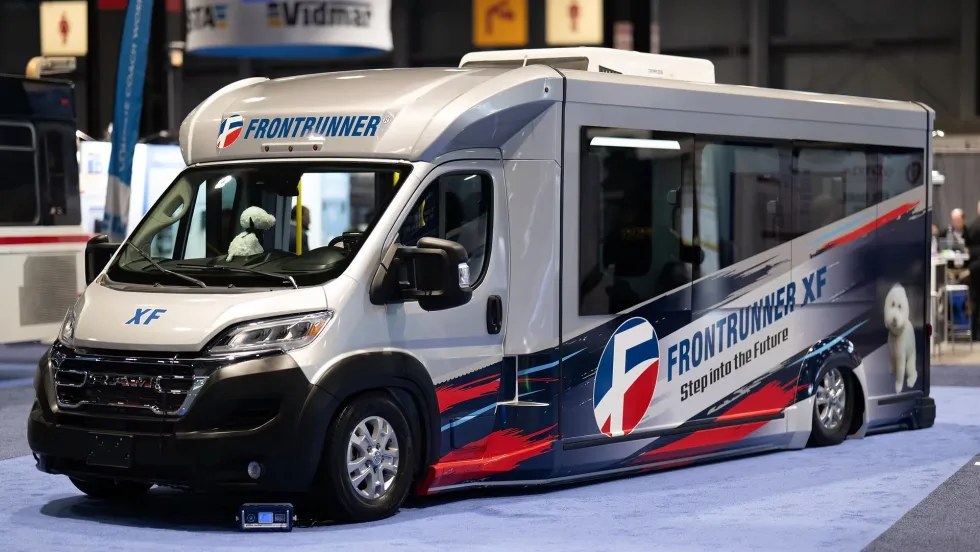
Frontrunner Bus Group Introduces XF Low-Floor Bus with Enhanced Accessibility
The new mid-sized bus features a full flat-floor design, eight-inch curbside step-in height, and zero-entry rear ramp to improve passenger access and operational flexibility.
Read More →
Scenes from APTA TRANSform & EXPO 2026
Transit leaders, manufacturers, and industry professionals gathered in Chicago to explore new technologies, share ideas, and discuss the future of public transportation.
Read More →
Indian River Transit’s Community-Focused Approach Earns National Recognition
Named APTA’s 2026 Outstanding Public Transportation System in its size category, Florida’s Indian River County transit system continues to grow ridership through fare-free service and a focus on evolving community needs.
Read More →
Everett Transit, Community Transit Outline Consolidation Agreement
The proposed agreement calls for a 50% increase in bus service in Everett, a new microtransit zone, continued paratransit service, and the transfer of Everett Transit operations to Community Transit.
Read More →
Driving Smarter Paratransit
John Hanlon shares how AlphaRoute is leveraging AI-powered technology to help paratransit providers optimize operations, support frontline staff, and enhance the rider experience.
Read More →
People Movement: Dan Dipert Coaches Adds Third-Generation Leader, Keolis Names New Valley Metro VP/GM, and More
In this edition, we also cover recent appointments and announcements at the Wabtec, SilverRide, HNTB, and more, showcasing the individuals helping to shape the future of transportation.
Read More →
Biz Briefs: RIPTA Unveils New Frontrunners, Clevland RTA Adds New Siemens, and More
In METRO's latest installment, we take a look at recent news from Siemens, Prevost, Dodge, and more partnerships making headlines across the transportation sector.
Read More →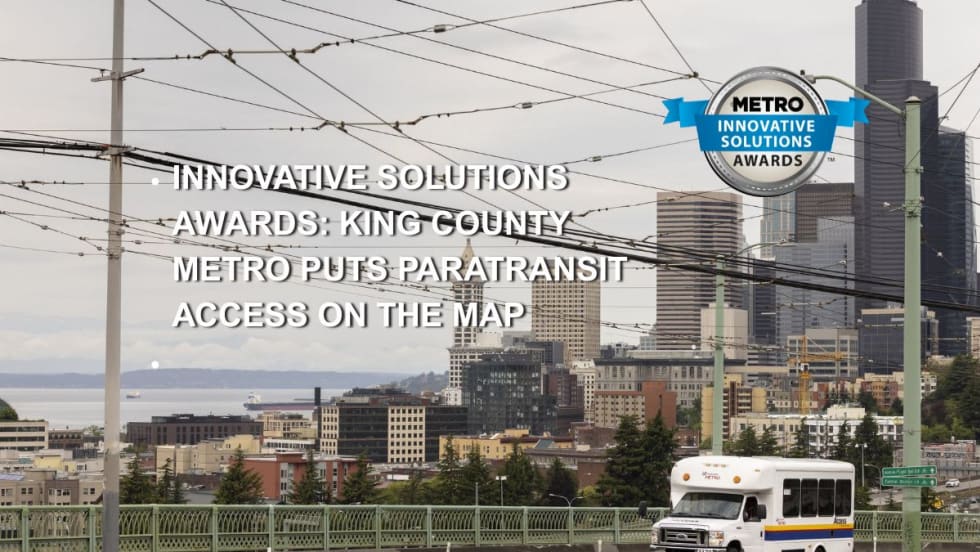
King County Metro Makes ADA Paratransit Easier to Navigate
METRO's Innovative Solutions Award winner replaces complex service-area descriptions with an accessible, interactive map that puts paratransit information directly in customers’ hands.
Read More →
Jacksonville’s NAVI Project Charts a New Course for Autonomous Public Transportation
Through its NAVI program, JTA is showing how autonomous vehicles, intelligent infrastructure, and coordinated operations can work together to deliver everyday public transportation.
Read More →
Driving Smarter Paratransit
John Hanlon shares how AlphaRoute is leveraging AI-powered technology to help paratransit providers optimize operations, support frontline staff, and enhance the rider experience.
Read More →