



LAN to conduct Dallas high-speed rail station planning study
Currently, three HSR corridors that would connect major urban areas of the state are under various stages of development. The corridors include the Dallas to Fort Worth HSR, Dallas to Houston HSR, and Texas-Oklahoma Passenger Rail Study.

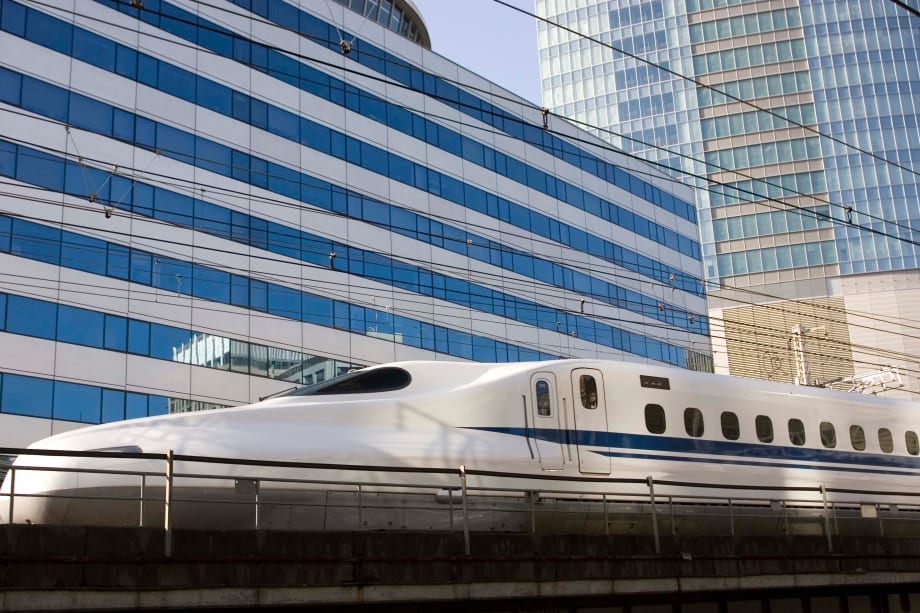
Photo via: Texas Central Railway
Photo via: Texas Central Railway
The North Central Texas Council of Governments (NCTCOG), the metropolitan planning organization for the Dallas-Fort Worth Region, selected the Lockwood, Andrews & Newnam (LAN) team to conduct a High-Speed Rail (HSR) station area planning study in downtown Dallas.
Currently, three HSR corridors that would connect major urban areas of the state are under various stages of development. The corridors include the Dallas to Fort Worth HSR, Dallas to Houston HSR, and Texas-Oklahoma Passenger Rail Study.
This study is one of three procurement efforts, one for each station location, initiated by NCTCOG associated with the development of the Dallas to Fort Worth HSR, known as the Core Express Service (CES) corridor (The other two study areas are Fort Worth and Arlington). The Dallas HSR area planning study will assist NCTCOG, the City of Dallas and other agencies to:
Evaluate potential locations of a HSR station to ensure optimal station area accessibility.
Examine compatibility with the station location and design proposed by Texas Central Partners for the Dallas to Houston HSR system.
Develop a station area plan that advances the City’s economic development opportunities.
Inform elected officials, policy makers and other HSR studies.
LAN will be supported by sub-consultants AZTEC/TYPSA and LEO A DALY as specialty team members. AZTEC/TYPSA will draw on its expertise implementing high-speed rail projects around the world, while LEO A DALY will provide land use/economic development services. The sub-consultant team also includes Bowman Engineering & Consulting, DRW Planning Studio, and Civil Associates. The study will be completed in summer 2017.
More Rail

Stadler, CapMetro Sign Long-Term Rail Fleet Support Agreement
Beginning in 2027, Stadler will provide on-site technical expertise, spare parts support, training, and obsolescence management to help extend the reliability and longevity of CapMetro’s GTW fleet.
Read More →
Biz Briefs: Alstom Lands Canadian Contract, LYT to Supply California TSP, and More
In METRO's latest installment, we take a look at recent news from Complete Coach Works, Beep, FlixBus, and more partnerships making headlines across the transportation sector.
Read More →
CATS Gold Line Marks 5 Years of Service, 2.8M Passenger Trips
With a six-mile expansion planned, the Charlotte streetcar is positioned to connect more neighborhoods and major transit hubs across the region.
Read More →
Why Simulating Pedestrian Movement Has Become Essential for Modern Rail Stations
Pedestrian microsimulation is helping rail planners identify bottlenecks, test station designs, and prepare complex transit hubs for growing passenger volumes.
Read More →
Amtrak Begins Major Construction at New York’s Sunnyside Yard
The new maintenance facility will support Amtrak’s Airo trainsets while improving maintenance efficiency and turnaround times in New York.
Read More →
Chicago Leaders Unveil Plans for O’Hare Airport Express Train
The privately developed project would offer a 15-minute trip between downtown and O’Hare’s Terminal 2, with trains operating every 15 minutes on a dedicated track. The service would use battery-electric trains and three existing freight rail rights-of-way.
Read More →
OCTA Maps Out 30-Year Strategy to Protect Coastal Rail Corridor
The draft feasibility report identifies strategies to protect the coastal rail line for decades as the agency continues near-term stabilization and sand placement efforts.
Read More →
The Business Voice Behind Public Transportation
As chair of APTA’s Business Members Board of Governors, Ray Melleady explains how more than 850 business members are partnering with transit agencies to advance funding, innovation, and industry-wide collaboration.
Read More →
FRA Announces $5.3B in Rail Investments, Including $2B for Amtrak
Funding will support grade-crossing improvements, infrastructure upgrades, and new Amtrak equipment in 23 states.
Read More →
Finding the ‘Happy Medium’: Optimizing Maintenance Without Sacrificing Reliability
The key to maintenance optimization isn’t doing less work—it’s doing the right work at the right time on the right assets.
Read More →