



Large Idling Fines Imposed on New York City Buses
Bus drivers not obeying the three-minute idling law in New York City can be faced with fines of up to $900, said the United Motorcoach Association (UMA).

Bus drivers not obeying the three-minute idling law in New York City can be faced with fines of up to $900, said the United Motorcoach Association (UMA). With one of the largest fines in the country, New York City has taken strong measures to enforce a three-minute idling law for buses and coaches, aggressively issuing tickets for those idling over three minutes. The Department of Environmental Protection reported that from July 1, 1999, through March 31, 2000, 81 notices of violation were issued for idling in New York City. According to UMA, if the driver pleads guilty the fine is $700 and, if not, the fine can increase up to $900, although there are reports of the courts accepting settlements as small as $350. Enforced by both the police department and the New York City Department of Environmental Protection, the settlement money goes directly back to the city. The problem stems from the time it takes for coaches to warm up, which is about 15 minutes in order for a coach to be comfortable for the passengers and driver. “Constituents don’t want bus traffic there,” said Godfrey Lebron, chair of UMA's Legislative and Regulatory Committee. “We want to work with the city, but we need areas where our drivers can layover.” Steve Sprague, chief operating officer of UMA, said the hefty fine is a combination of New York City’s concern for environmental quality as well as urban residents wanting to chase away as many commercial vehicles as possible. “Our recommendation is to avoid New York, if possible, but if not, try to idle only in designated parking areas and away from curbside areas except while loading and unloading passengers,” Sprague said. The three-minute idling law encompasses all of New York City. “Each municipality can decide its own idling law. Some are 15 minutes, some are 10 and New York City is three,” Lebron said. Fran Brown, director of charters for Trans Classic Coach Corp. in New York City, said her charter company has not encountered any major problems and finds it relatively easy to comply with the New York City idling law. “We do not run our engines over three minutes unless, of course, we are loading or unloading passengers. That is allowed under the law as well. The police won’t do anything about it because they realize it produces more pollution when you turn the engines on and off than it does if you take that extra minute to load people,” she said. While other big cities like Chicago and Los Angeles don't impose idling fines, the City of Beverly Hills, Calif., does impose a fine of $255 if a motorcoach or transit bus idles for any length of time. “They cannot idle. They have to basically stop the vehicle, turn it off, unload the passengers, and then start up the engine,” said Art Barrios, secretary of the Department of Transportation for the City of Beverly Hills.
More Management
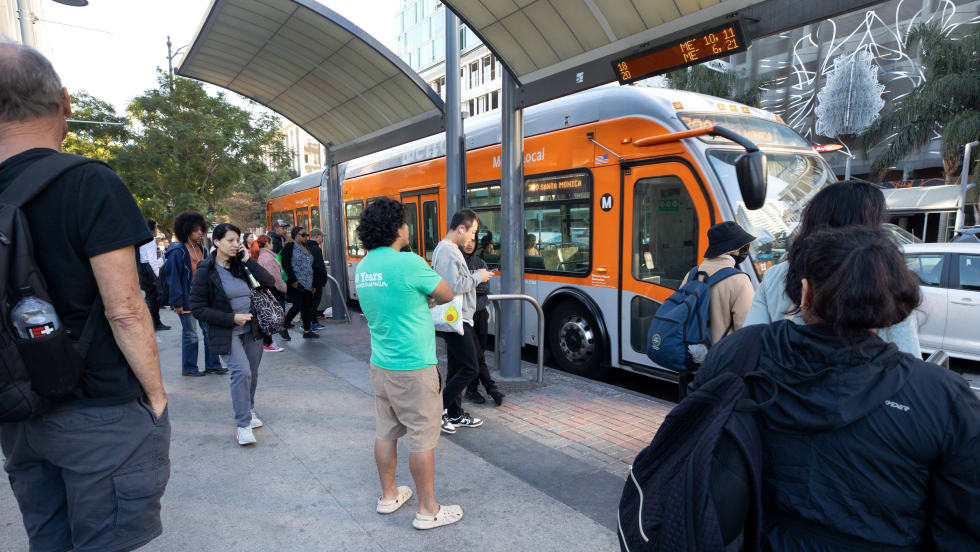
LA Metro Ridership Continues Growth as Rail Gains Accelerate
New rail connections and major events help drive continued ridership gains, with Metro recording its eighth consecutive month of year-over-year rail growth.
Read More →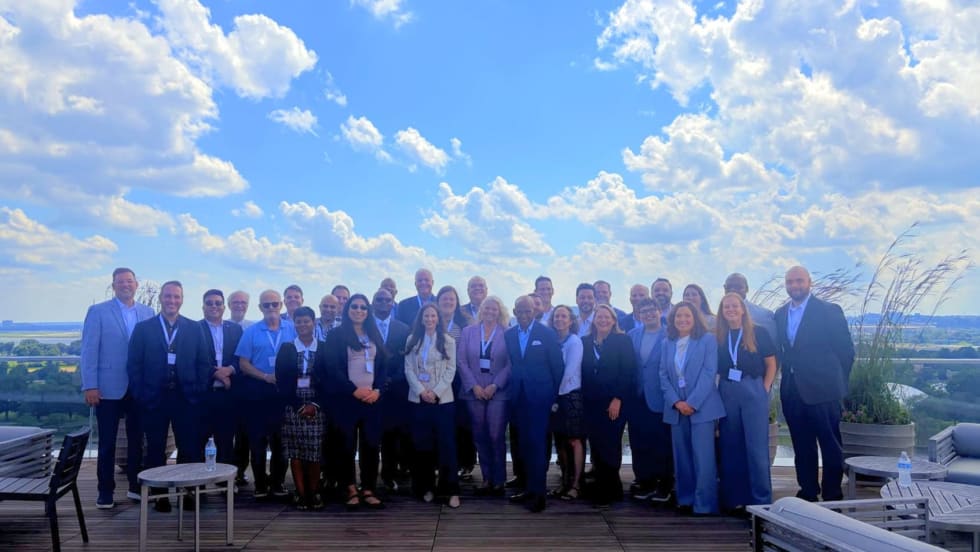
TransDASH Summit Focuses on Measuring What Matters in Transit
Transit agencies unveil a national performance platform designed to benchmark customer experience, safety, community value, and other outcomes.
Read More →
Jacksonville’s NAVI Project Charts a New Course for Autonomous Public Transportation
Through its NAVI program, JTA is showing how autonomous vehicles, intelligent infrastructure, and coordinated operations can work together to deliver everyday public transportation.
Read More →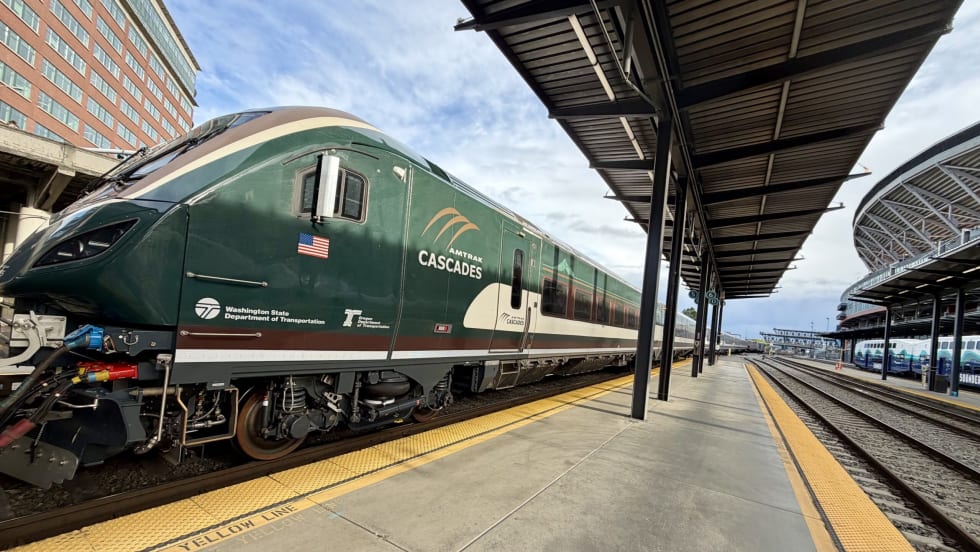
FRA Announces $5.3B in Rail Investments, Including $2B for Amtrak
Funding will support grade-crossing improvements, infrastructure upgrades, and new Amtrak equipment in 23 states.
Read More →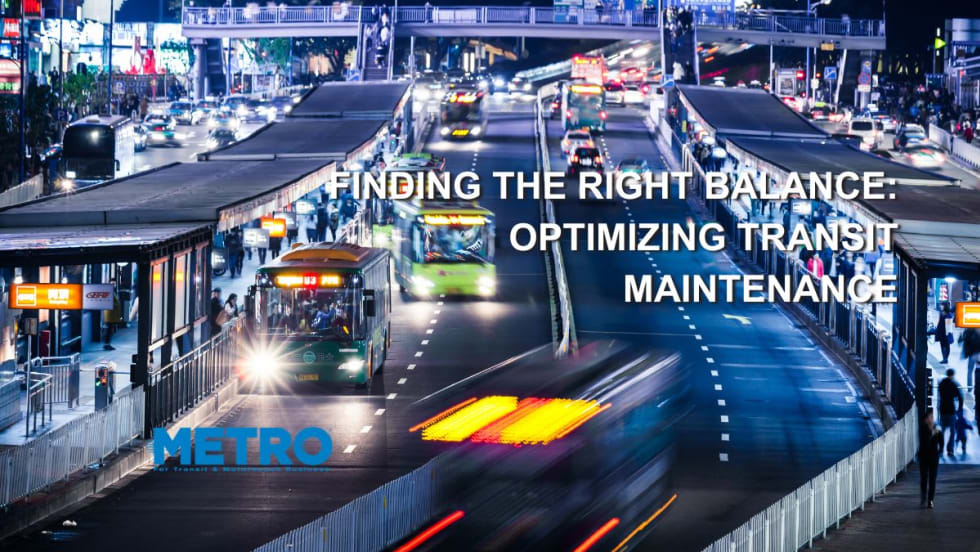
Finding the ‘Happy Medium’: Optimizing Maintenance Without Sacrificing Reliability
The key to maintenance optimization isn’t doing less work—it’s doing the right work at the right time on the right assets.
Read More →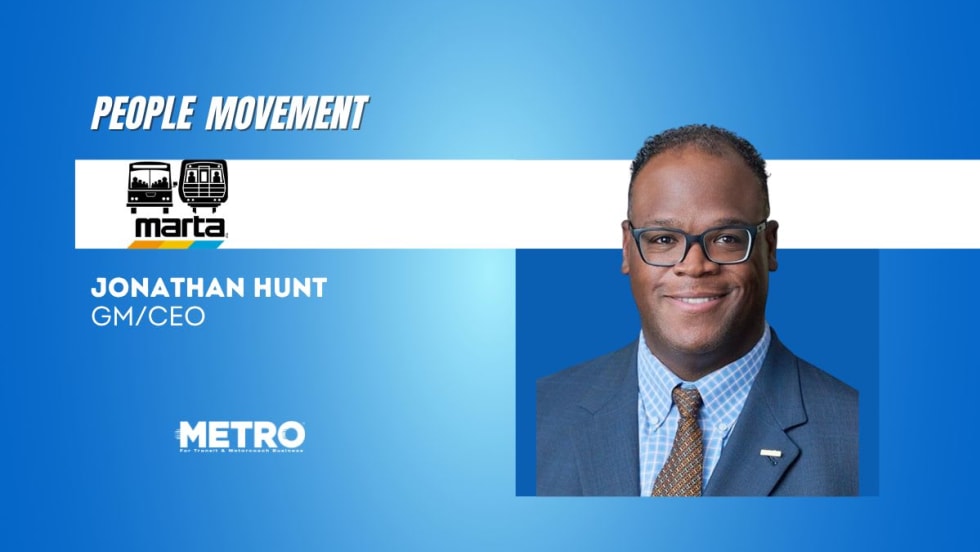
People Movement: MARTA Drops Interim Tag on GM/CEO Hunt and More
In this edition, METRO covers recent appointments and announcements at the FMCSA, HDR, SilverRide, and more, showcasing the individuals helping to shape the future of transportation.
Read More →
VIA Metropolitan Transit Reports 2 Million More Passenger Trips as Better Bus Plan Gains Momentum
San Antonio's transit agency said accelerated service improvements are driving ridership growth, offering another example of how increased frequency and workforce investments can translate into stronger transit performance.
Read More →
ABAF Study Reveals Growing Insurance Crisis for Motorcoach Operators
Preliminary findings show 98% of operators faced premium increases over the past five years, while shrinking insurer participation is putting added pressure on businesses and customers.
Read More →
PSTA Modernizes Workforce Management with Digital Bidding System
The award-winning Workforce Transit Modernization project replaced paper bidding with a transparent digital platform, cutting administrative effort while improving access for operators.
Read More →
Chicago to Host Public Transportation's Biggest Gathering at APTA TRANSform & EXPO 2026
North America’s largest public transportation gathering returns to Chicago, connecting transit decision-makers with the technologies, ideas, and partnerships driving the industry forward.
Read More →