



LIRR completes rail crossing safety initiative five months ahead of schedule
Over the past three months, LIRR engineering crews worked to implement this important safety initiative well ahead of schedule.


MTA Long Island Rail Road announced the completion of its visible railroad crossing safety initiative, as LIRR engineers installed safety enhancements all 296 railroad crossings system-wide — five months ahead of schedule.
In May, as part of his LIRR Forward initiative, LIRR President Phillip Eng announced an accelerated plan to install flexible, four-feet high reflective delineators as well as extended roadway markings and additional reflective devices to better alert drivers, who may become confused by GPS directions while driving in darkness or inclement weather, that they should not make a turn onto the tracks. At the time, Eng announced that this effort was scheduled to be complete at all 296 grade crossings throughout the LIRR system by the end of this year.
Over the past three months, LIRR engineering crews worked to implement this important safety initiative well ahead of schedule, and successfully installed the safety enhancements at the last crossing at Hortons Lane in Southold toward the end of July.
To further the railroad’s crossing safety efforts, the LIRR in June announced its groundbreaking partnership with the GPS navigation app Waze, with a first-ever feature of its kind to debut on the app that alerts motorists using it that they are approaching a LIRR railroad crossing. This initiative was launched using Waze's Connected Citizens Program — a free, two-way data share of publicly available traffic information. Metro-North has also since announced its own similar partnership with Waze.
These efforts came after an aggressive review of railroad crossing incidents and potential safety enhancements by the MTA. The delineator project and Waze program were developed as the railroad began to see vehicles on tracks as a growing problem as distracted or confused motorists, some using GPS devices, inadvertently turn onto tracks instead of parallel roadways.
To date, incident data provides evidence that the initiative is having a positive impact. In 2017, the LIRR recorded 29 reports of cars on tracks, in addition to 17 grade crossing accidents involving the LIRR and motor vehicles. Through May 22 of this year, there were two grade crossing accidents and 21 reports of cars on tracks.
Since this accelerated effort began in May, the LIRR has recorded only three incidents of vehicles-on-tracks. In the first two, there were no delineators installed at those locations. In the third incident, a motorist at Tuckahoe Road Crossing in Southampton experienced a medical emergency, which inadvertently caused the car to enter the railroad's right-of-way.
More Security and Safety

Transit Agencies Highlight Safety Gains at National Summit
Leaders from 15 major transit systems shared crime-reduction results and safety initiatives while discussing the role of continued federal support.
Read More →
DART Launches Major Security, Fare Enforcement Initiative
The 90-day demonstration will deploy coordinated security teams at five light rail stations while testing controlled access and gathering data to guide future investments.
Read More →
RTD Launches NextRide App to Consolidate Trip Planning, Fares, Security Reporting
The app expands on RTD’s existing NextRide web application and allows customers to view real-time vehicle locations and service alerts, purchase and store digital fares, and access customer support.
Read More →
TAPTCO Updates OSHA Compliance Training for Transit Maintenance Operations
The revamped program addresses 26 OSHA standards for maintenance facilities, with TAPTCO pointing to training, documentation, and everyday shop hazards as continuing challenges for transit operations.
Read More →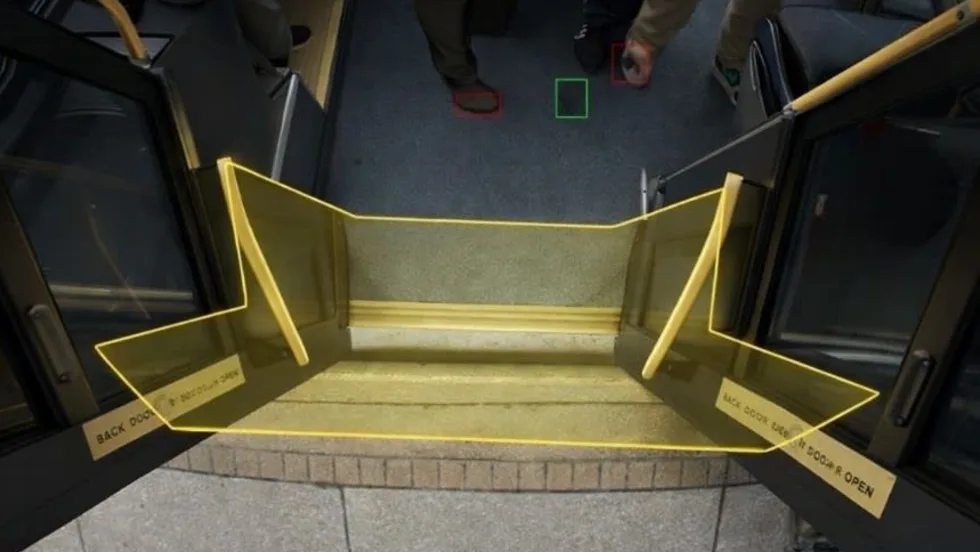
How VaporVision Adds Value to Transit Door Systems
Wabtec engineers explain how the system improves doorway detection, strengthens diagnostics and gives transit agencies and OEMs greater operating flexibility.
Read More →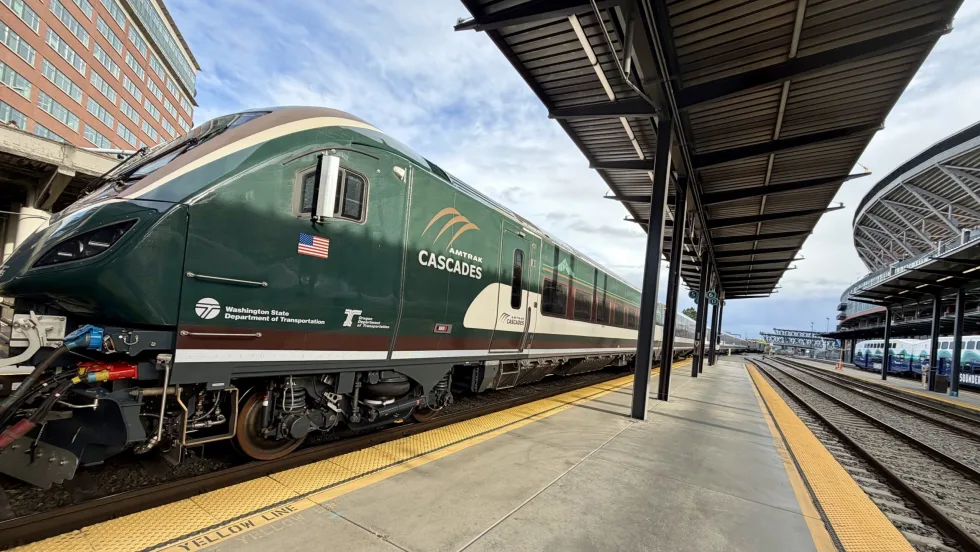
FRA Announces $5.3B in Rail Investments, Including $2B for Amtrak
Funding will support grade-crossing improvements, infrastructure upgrades, and new Amtrak equipment in 23 states.
Read More →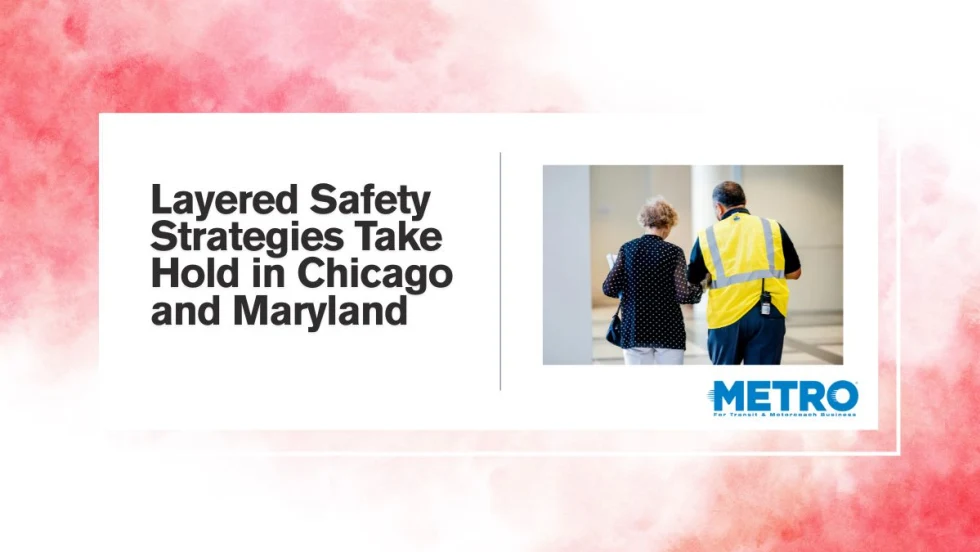
Chicago, Maryland Expand Non-Law-Enforcement Safety, Rider Support
The CTA and MTA are launching new programs aimed at de-escalation, crisis response, rider assistance, and greater transparency.
Read More →
LA Metro, City of West Hollywood, and Partners Advance Smarter Bus Lane Enforcement
The award-winning partnership combines AI-powered detection with human oversight to improve bus reliability, accessibility, and enforcement efficiency.
Read More →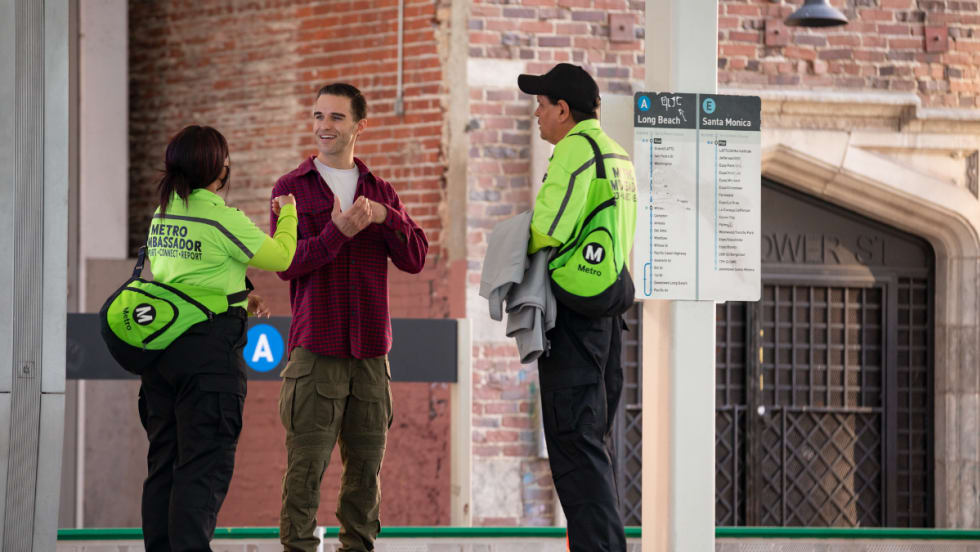
LA Metro Reports 57% Decline in Homelessness on Transit System Since 2024
The agency's latest homelessness count offers new data on how care-based services and cross-sector partnerships can complement traditional transit security strategies.
Read More →
FTA Launches 'Transit Moves America' Dashboard to Highlight Agency Safety and Performance
The online dashboard transforms National Transit Database information into a public-facing resource that allows users to compare transit agencies on key operational and safety metrics.
Read More →