



Long Island Rail Road strike averted, deal reached
Provides the 17% wage increase recommended by the Presidential Emergency Board, and includes the first-ever healthcare contributions from the 5,400 workers that make up the eight unions while protecting commuters and the MTA’s long-term financial stability.

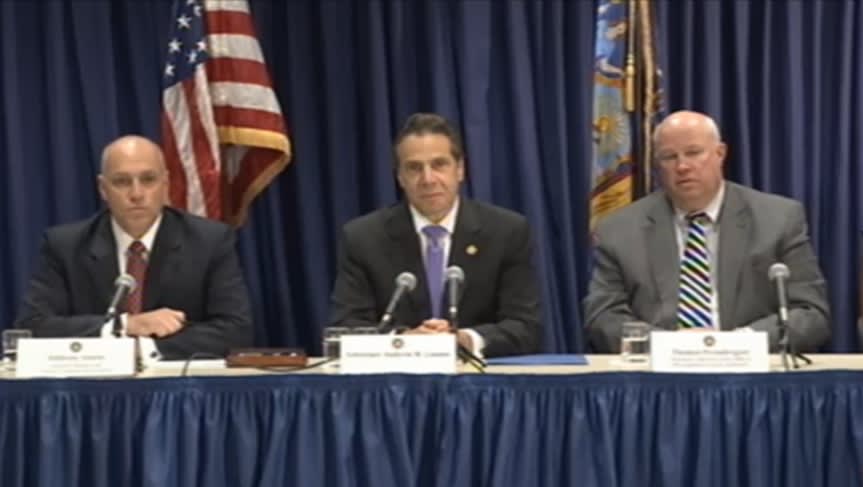
New York Governor Andrew M. Cuomo says a deal has been reached between the MTA and the Long Island Rail Road unions, averting a strike that could have come this weekend.
The Governor, Metropolitan Transportation Authority (MTA) Chairman and CEO Thomas F. Prendergast, and United Transportation Union President Anthony Simon, representing a coalition of eight Long Island Rail Road (LIRR) labor unions, today announced an agreement to settle a four-year-old contract dispute between the MTA and the unions.
RELATED:Long Island Rail negotiations collapse, workers prepare to strike
The agreement provides the 17% wage increase recommended by the Presidential Emergency Board, and includes the first-ever healthcare contributions from the 5,400 workers that make up the eight unions while protecting commuters and the MTA’s long-term financial stability.
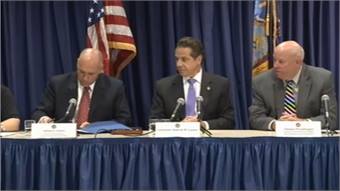
“The Long Island Rail Road is a critical artery in connecting the downstate region, and the men and women who keep it running play a vital role in the lives of our commuters and in the communities that the LIRR serves,” Governor Cuomo said. “Resolving this contract dispute is the right thing to do, and the agreement we have reached today is fair to all parties. It recognizes the many contributions of the LIRR’s hardworking employees, while also maintaining the fiscal integrity of the MTA. I thank everyone involved in these negotiations, especially UTU Chairman Anthony Simon and MTA Chairman Tom Prendergast, whose collective dedication to the needs of LIRR commuters made this agreement possible.”
“The agreement we reached today with the assistance of Governor Cuomo is just what he advocated – a fair and reasonable contract that will enable the nation’s busiest commuter railroad to continue to serve the people of Long Island,” MTA Chairman Prendergast said. “Both sides have compromised to reach an agreement that gives our employees the raises they deserve while also providing for the MTA’s long-term financial stability. I want to express my thanks to all the LIRR employees who continued to provide safe and reliable service through these discussions, and to our customers who can now be assured of uninterrupted service.”
“Today’s agreement provides a fair and equitable contract for our existing and future employees and we couldn’t have gotten it done without the Governor’s help,” United Transportation Union President Simon said. “Our workers move hundreds of thousands of commuters a day and their services are integral to the New York economy. On behalf of 5,400 hardworking union members involved in these negotiations, I thank the Governor for his efforts, and the MTA for coming to a compromise.”
Under the terms of the agreement, based on the recommendations of the Presidential Emergency Board, existing LIRR employees will receive 17 percent raises over a term of 6-1/2 years. To ensure the long-term affordability of these wage increases, all employees will for the first time contribute to their health insurance costs, and new employees will have different wage progressions and pension plan contributions.
The contract will have no impact on MTA fares and will be accommodated within revisions to the MTA financial plan.
The tentative agreement is subject to approval by the eight Long Island Rail Road unions’ executive boards and ratification by their membership, and subsequent approval by the MTA Board.
More Paratransit

Biz Briefs: RIPTA Unveils New Frontrunners, Clevland RTA Adds New Siemens, and More
In METRO's latest installment, we take a look at recent news from Siemens, Prevost, Dodge, and more partnerships making headlines across the transportation sector.
Read More →
King County Metro Makes ADA Paratransit Easier to Navigate
METRO's Innovative Solutions Award winner replaces complex service-area descriptions with an accessible, interactive map that puts paratransit information directly in customers’ hands.
Read More →
Jacksonville’s NAVI Project Charts a New Course for Autonomous Public Transportation
Through its NAVI program, JTA is showing how autonomous vehicles, intelligent infrastructure, and coordinated operations can work together to deliver everyday public transportation.
Read More →
Driving Smarter Paratransit
John Hanlon shares how AlphaRoute is leveraging AI-powered technology to help paratransit providers optimize operations, support frontline staff, and enhance the rider experience.
Read More →
METRO Magazine Announces 2026 Innovative Solutions Awards Winners
Projects Recognized for Advancing Mobility Through Technology, Accessibility, Workforce Innovation, and Operational Excellence
Read More →
Biz Briefs: STV teams with Amtrak, Motorcoach Operators Boost Fleet and Land Contracts, and More
From manufacturers and suppliers to transit agencies and motorcoach operators, these updates offer a snapshot of the projects, partnerships and business moves driving the industry forward.
Read More →
Biz Briefs: Masabi Teams with St. Louis Metro and More
In METRO's latest installment, we take a look at recent news from Transdev, Hitachi, and more partnerships making headlines across the transportation sector.
Read More →
New York MTA Leverages Zoning Program to Advance Station Accessibility
Accessibility enhancements at Nevins St Station will be financed through a development agreement tied to the MTA's Zoning for Accessibility initiative.
Read More →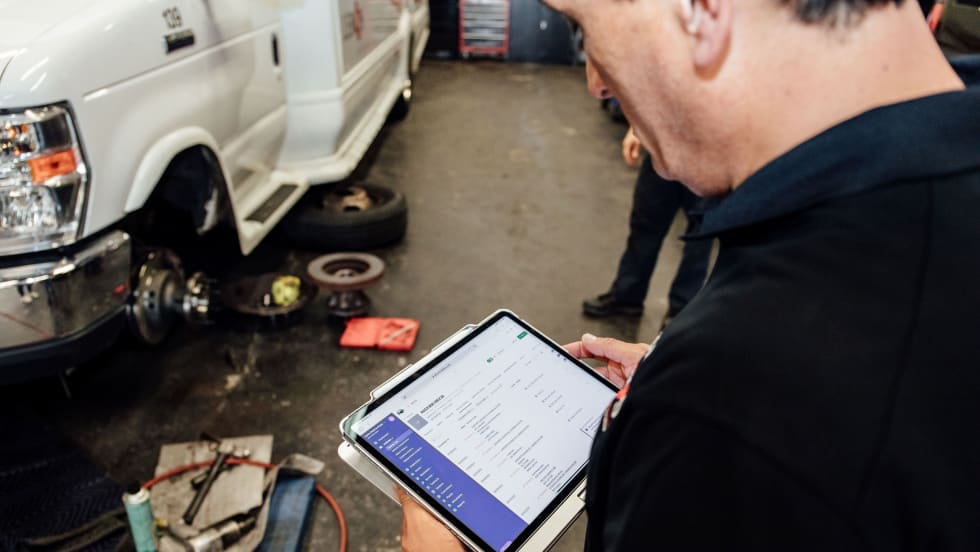
Reinventing Fleet Maintenance with Real-time Visibility and AI
Transit leaders need to know what needs fixing, where to look, who is responsible, when work is completed, and what it costs without having to chase information across disconnected systems.
Read More →
SamTrans Sets Priorities for Potential Connect Bay Area Revenue
The board-approved framework allocates future funding to maintaining service, rider improvements, equity initiatives, and infrastructure repairs.
Read More →