



Lytx report finds most risky driving trends in public transit
Findings include the five risky behaviors seen most often among transit drivers, most improved driving behaviors, and insights on how transit habits compare to those of other industries.


From its database of 808,000 risky driving events captured from transit fleets in 2019, Lytx® released new insights into transit industry driving trends.
Lytx’s findings include the five risky behaviors seen most often among transit drivers, most improved driving behaviors, and insights on how transit industry driving habits compare to those of other industries.
The data was captured from fleets of all sizes and types within the transit industry, including taxi, limousine, airport shuttle, coach, and school bus fleets, among others. It is part of an ongoing series from Lytx highlighting key behavior trends seen across the nine industries that utilize its video telematics technology, with the goal of informing and supporting ongoing safety efforts in the industries it serves.
The data will be released twice weekly through May 26 here.
Most Prevalent Risky Behaviors in 2019
Late response*
Near collision
Incomplete stop
Following distance**
Driver unbelted
Most Improved Behaviors from 2018 to 2019
Failure to stop*** – improved 32%
Posted speed violation – improved 24%
Late response* – improved 10%
Behaviors may appear on both the "Most Prevalent" and "Most Improved" lists. This demonstrates that even with significant improvement, fleets and drivers must stay vigilant and maintain awareness to keep those behaviors trending downwards.
How Transit Fleets Stack Up Against Other Industries
Lytx compared the prevalence of behaviors seen in transit fleets against behavior averages of fleets across all its other protected industries. Comparatively, transit fleets stood out in the following areas:
Near collision/near collision (unavoidable) occurred 31% more often
Incomplete stop occurred 18% more often
Food/drink observed 60% less often
Common risky driving behaviors observed within a fleet, as well as benchmarking data from fleets both inside and outside of a specific industry are helpful metrics for understanding industry-specific challenges, guiding safety efforts and then measuring success. To better identify and address top areas of driving risk within their individual fleets, thousands of organizations use the best-in-class Lytx Driver Safety Program; these organizations experience on average up to 50% reduction in collisions and up to 80% on associated claims costs as a result.
Lytx also found that 57% of high-impact collisions in the transit industry were attributed to fundamentals or traffic violation behaviors, such as “failure to stop” or “too fast for conditions,” indicating an opportunity for increased operator and driver coaching in this area.
*Late response occurs when a driver is not distracted, yet responds late and abruptly to a readily visible risky situation ahead.
**Following distance refers to a risky driving event in which the distance to the vehicle directly ahead is approximately 1.5 seconds and not increasing for at least 4 consecutive seconds.
***Failure to stop occurs when a driver fails to stop at a stop sign or his/her speed remains above 5 mph.
More Security and Safety

Transit Agencies Highlight Safety Gains at National Summit
Leaders from 15 major transit systems shared crime-reduction results and safety initiatives while discussing the role of continued federal support.
Read More →
DART Launches Major Security, Fare Enforcement Initiative
The 90-day demonstration will deploy coordinated security teams at five light rail stations while testing controlled access and gathering data to guide future investments.
Read More →
RTD Launches NextRide App to Consolidate Trip Planning, Fares, Security Reporting
The app expands on RTD’s existing NextRide web application and allows customers to view real-time vehicle locations and service alerts, purchase and store digital fares, and access customer support.
Read More →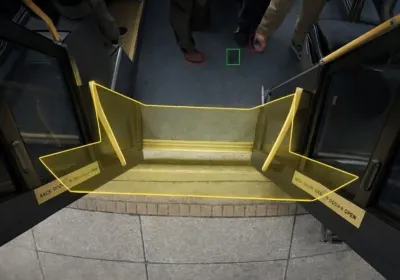
TAPTCO Updates OSHA Compliance Training for Transit Maintenance Operations
The revamped program addresses 26 OSHA standards for maintenance facilities, with TAPTCO pointing to training, documentation, and everyday shop hazards as continuing challenges for transit operations.
Read More →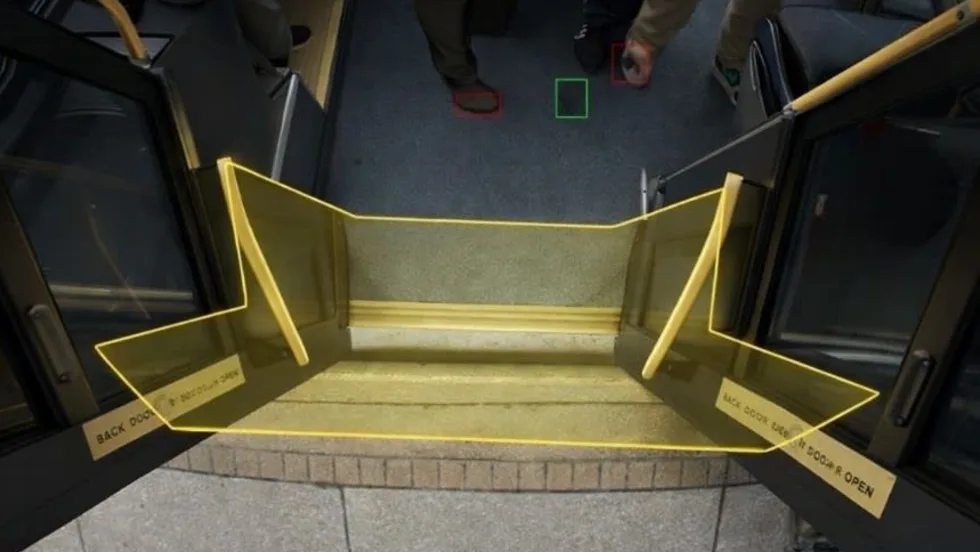
How VaporVision Adds Value to Transit Door Systems
Wabtec engineers explain how the system improves doorway detection, strengthens diagnostics and gives transit agencies and OEMs greater operating flexibility.
Read More →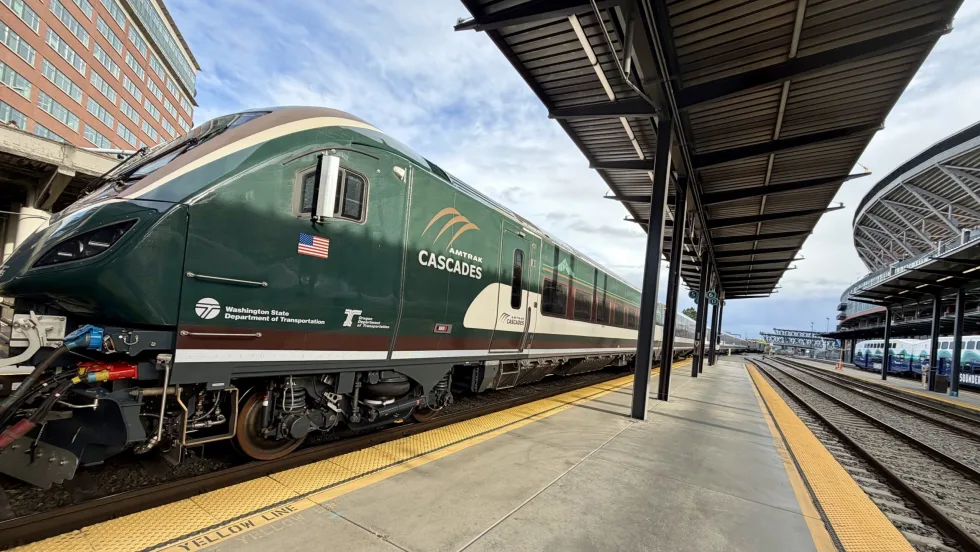
FRA Announces $5.3B in Rail Investments, Including $2B for Amtrak
Funding will support grade-crossing improvements, infrastructure upgrades, and new Amtrak equipment in 23 states.
Read More →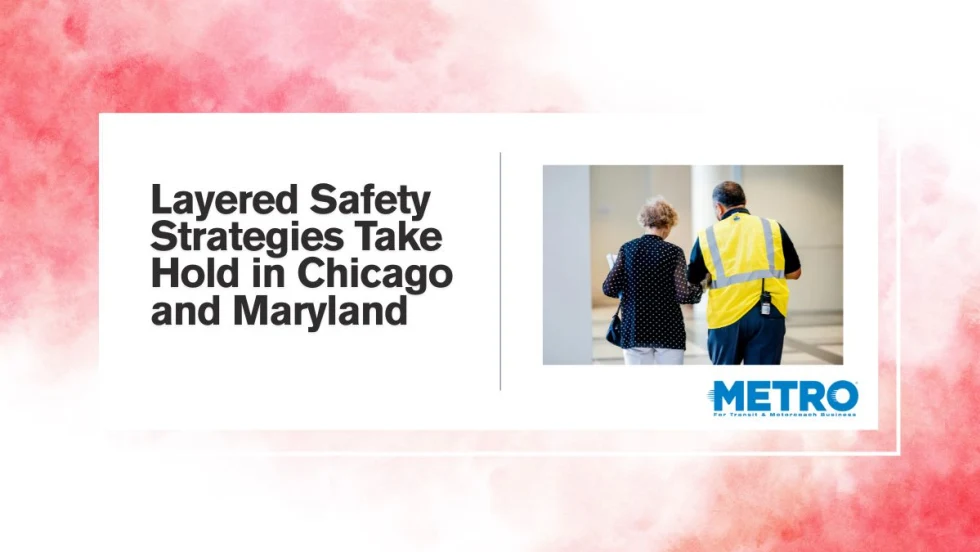
Chicago, Maryland Expand Non-Law-Enforcement Safety, Rider Support
The CTA and MTA are launching new programs aimed at de-escalation, crisis response, rider assistance, and greater transparency.
Read More →
LA Metro, City of West Hollywood, and Partners Advance Smarter Bus Lane Enforcement
The award-winning partnership combines AI-powered detection with human oversight to improve bus reliability, accessibility, and enforcement efficiency.
Read More →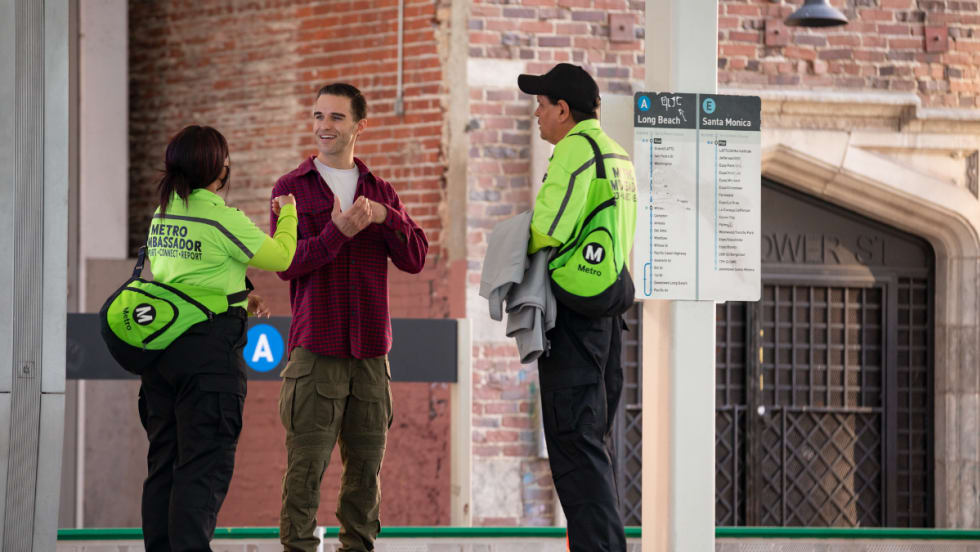
LA Metro Reports 57% Decline in Homelessness on Transit System Since 2024
The agency's latest homelessness count offers new data on how care-based services and cross-sector partnerships can complement traditional transit security strategies.
Read More →
FTA Launches 'Transit Moves America' Dashboard to Highlight Agency Safety and Performance
The online dashboard transforms National Transit Database information into a public-facing resource that allows users to compare transit agencies on key operational and safety metrics.
Read More →