



Majority of U.S. teens delay getting driver's license, report says
Not having a car, ability to get around without driving and gas expense were reasons cited for not obtaining license.


Image courtesy AAA Foundation for Traffic Safety

Image courtesy AAA Foundation for Traffic Safety
The majority of American teens today delay getting a driver's license, according to new study by the AAA Foundation for Traffic Safety. Less than one-half (44%) of teens obtain a driver's license within 12 months of the minimum age for licensing in their state and just over half (54%) are licensed before their 18th birthday, causing concern among safety experts that young adult drivers are missing the benefits intended by graduated drivers licensing (GDL).
These findings mark a significant drop from two decades ago when data showed more than two-thirds of teens were licensed by the time they turned 18.
RELATED: "Young adults driving less, using public transit more."
"With one in three teens waiting to get their license until they turn 18, there's a segment of this generation missing opportunities to learn under the safeguards that GDL provides," said Peter Kissinger, president/CEO, AAA Foundation for Traffic Safety. "For most, it's about not having a car or having alternatives for getting around that are the top reasons cited for delaying what has traditionally been considered to be a rite of passage."
Contrary to some expectations, survey results suggest that few teens wait until 18 simply to avoid graduated driver licensing. Instead, a number of other reasons for delaying licensure were cited, including:
44% – Did not have a car
39% – Could get around without driving
36% – Gas was too expensive
36% – Driving was too expensive
35% – "Just didn't get around to it"
Low-income and minority teens are the least likely to obtain a driver's license before age 18. Only 25% of teens living in households with incomes less than $20,000 obtained their license before they turned 18, while 79% of teens were licensed by their 18th birthday in households with incomes of $100,000 or more. The findings for licensure by age 18 differed significantly by race and ethnicity, with 67% for non-Hispanic white teens, 37% for non-Hispanic black teens and 29% for Hispanic teens.
"For a range of reasons, young adults increasingly are getting licensed without the benefit of parental supervision, extensive practice and gaining experience under less risky conditions that are the hallmark of a safety-focused licensing system," said AAA's Director, state relations, and teen driver issue expert, Justin McNaull. "Researchers and policymakers should examine whether existing state GDL systems — nearly all of which end once a teen turns 18 — can be modified to improve safety for these young adult novice drivers."
AAA has worked for nearly two decades to recommend that all states adopt and enforce a comprehensive three-stage (learner's permit, intermediate/probationary license, full/unrestricted license) graduated driver licensing (GDL) system for novice teen drivers. These programs require minimum holding periods and practice requirements for teens with learner's permits, followed by restricted licenses that limit driving at night or with peer passengers. These requirements help novice drivers safely gain the skills and experience needed to become safe adult drivers.
Previous AAA Foundation research found that states with comprehensive GDL systems have experienced a 38% decrease in fatal crashes involving 16-year-olds and a 40% reduction in injury crashes.
The researchers surveyed a nationally-representative sample of 1,039 respondents ages 18 to 20. The full research report and survey results can be found on the AAA Foundation for Traffic Safety website.
Established by AAA in 1947, the AAA Foundation for Traffic Safety is a 501(c) (3) not-for-profit, publicly-supported charitable educational and research organization.
More Security and Safety
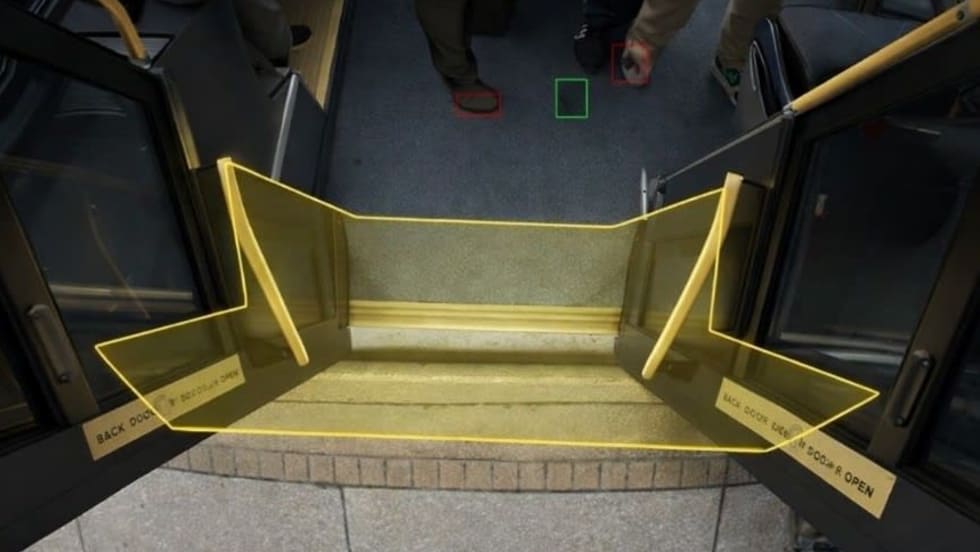
How VaporVision™ Adds Value to Transit Door Systems
Wabtec engineers explain how the system improves doorway detection, strengthens diagnostics and gives transit agencies and OEMs greater operating flexibility.
Read More →
FRA Announces $5.3B in Rail Investments, Including $2B for Amtrak
Funding will support grade-crossing improvements, infrastructure upgrades, and new Amtrak equipment in 23 states.
Read More →
Chicago, Maryland Expand Non-Law-Enforcement Safety, Rider Support
The CTA and MTA are launching new programs aimed at de-escalation, crisis response, rider assistance, and greater transparency.
Read More →
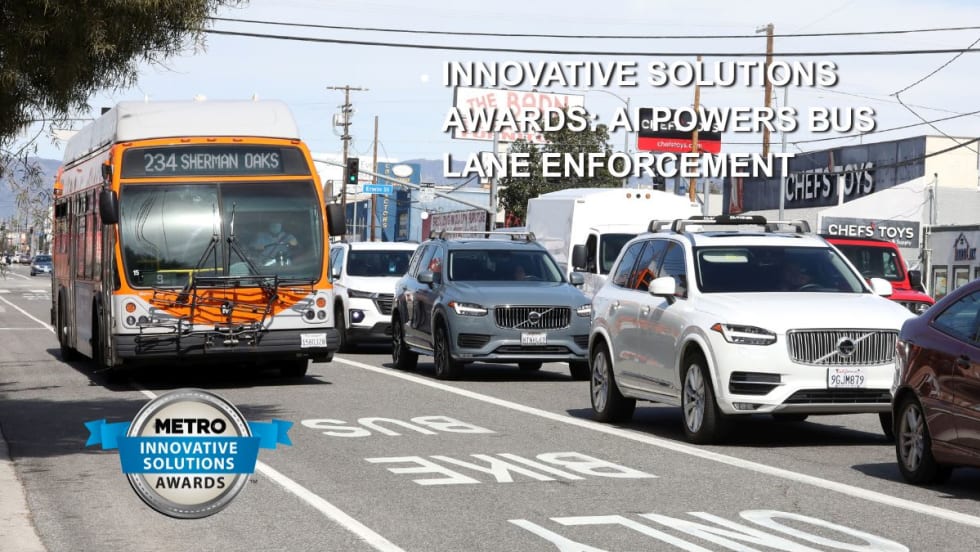
LA Metro, City of West Hollywood, and Partners Advance Smarter Bus Lane Enforcement
The award-winning partnership combines AI-powered detection with human oversight to improve bus reliability, accessibility, and enforcement efficiency.
Read More →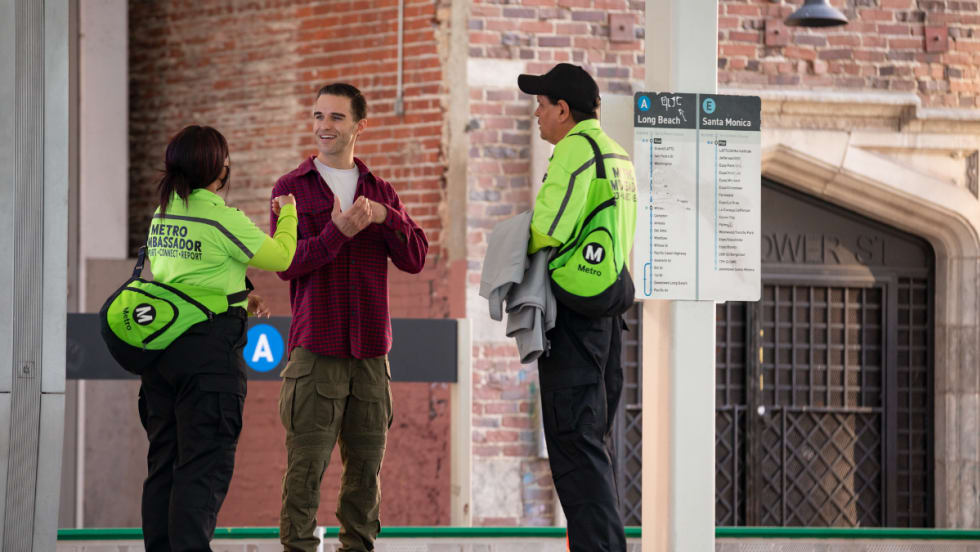
LA Metro Reports 57% Decline in Homelessness on Transit System Since 2024
The agency's latest homelessness count offers new data on how care-based services and cross-sector partnerships can complement traditional transit security strategies.
Read More →
FTA Launches 'Transit Moves America' Dashboard to Highlight Agency Safety and Performance
The online dashboard transforms National Transit Database information into a public-facing resource that allows users to compare transit agencies on key operational and safety metrics.
Read More →
LA Metro Marks Banner Year, Sets Ambitious Goals for New Fiscal Year
Incoming LA Metro Board Chair and Los Angeles Mayor Karen Bass joined outgoing Board Chair Fernando Dutra and LA Metro CEO Stephanie Wiggins to review accomplishments from fiscal year 2026, which included the opening of new rail extensions, advancement of major transit projects, expanded safety programs, and new rider amenities.
Read More →
Building the Next Generation of Transit Technology
In this edition of METROspectives, Luminator CEO Magnus Friberg discusses the company's transformation, the growing role of AI and software, and what's next for transit technology.
Read More →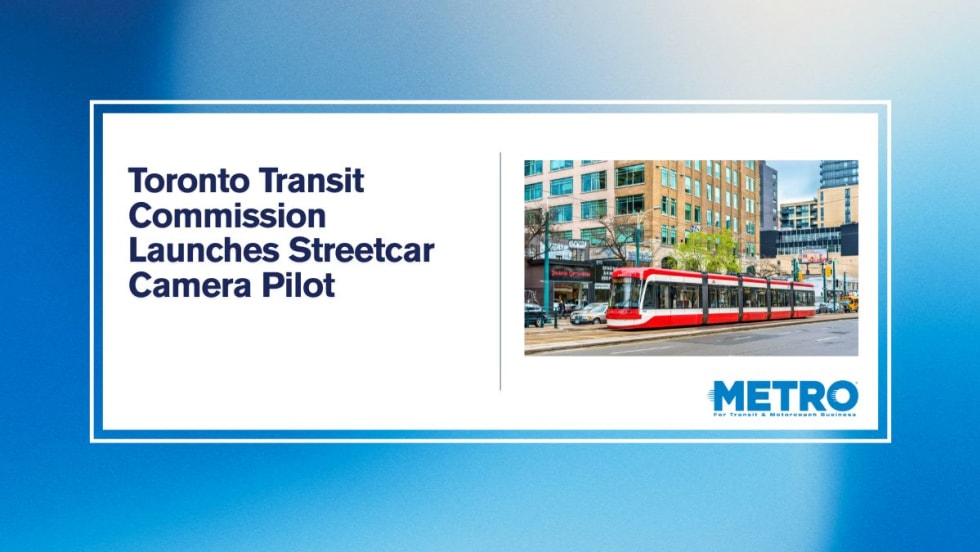
TTC Launches Camera Pilot to Curb Illegal Passing of Streetcars
During the pilot, the cameras will measure how often illegal streetcar passing occurs and test the technology's reliability for future automated enforcement.
Read More →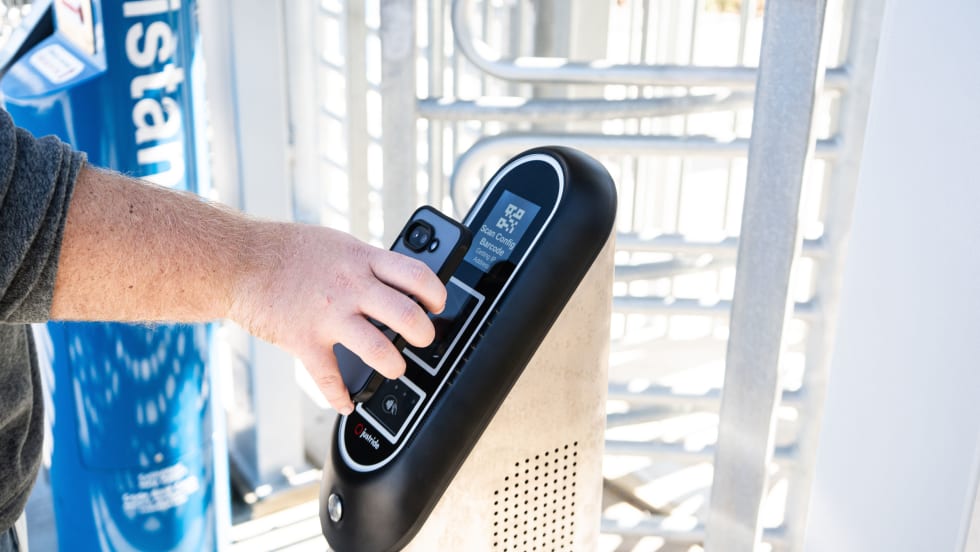
Biz Briefs: Masabi Teams with St. Louis Metro and More
In METRO's latest installment, we take a look at recent news from Transdev, Hitachi, and more partnerships making headlines across the transportation sector.
Read More →