



Making public transit safer during COVID-19 outbreak
In a blog, U.S. Secretary of Transportation Elaine L. Chao discusses resources available to public transit during COVID-19 pandemic.

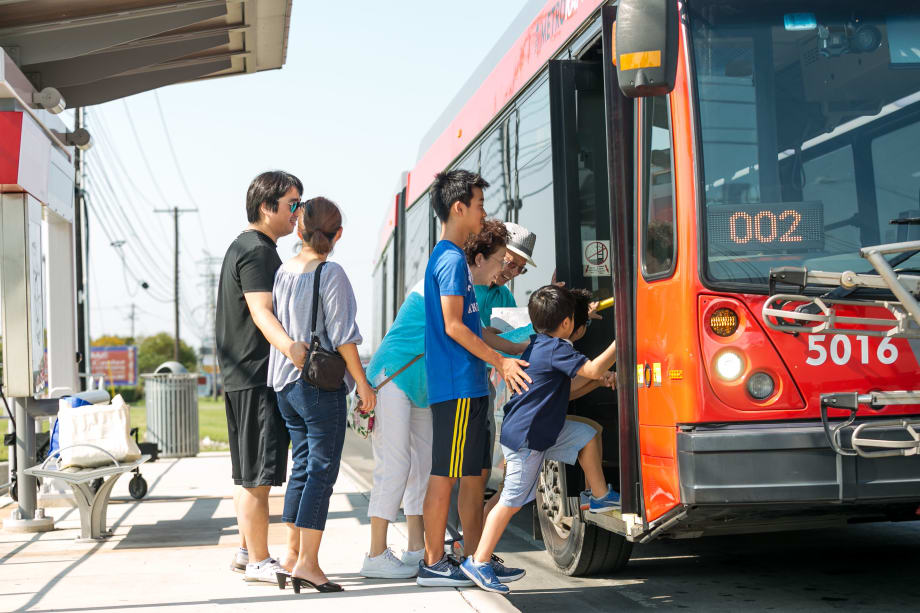
Capitol Metro
Every year, Americans use mass transit to take more than 10 billion trips. CapMetro
Posted by U.S. Secretary of Transportation Elaine L. Chao, used with permission from the FTA
Transportation systems are always important for communities and our country, and never more so than during a crisis. That’s why so many at the U.S. Department of Transportation are working overtime to respond to the ongoing COVID-19 (coronavirus) situation affecting the U.S. and the world.
The Department’s Federal Transit Administration (FTA), for example, is working closely with local transit authorities to free up resources to help them deal with COVID-19. Every year, Americans use mass transit to take more than 10 billion trips. FTA is taking steps to make more resources available to local transit authorities to fund cleaning efforts and other measures to reduce the spread of COVID-19.
The Department supports urban and rural transit in large part through formula transit funding, as established by Congress. The Federal share of expenditures for preventative maintenance is capped at 80%. This can include measures to protect health as well as safety.
However, personal protective equipment, such as facemasks, gloves, or hand sanitizer have long been treated as an operating expense. Large operators are not normally allowed to cover operating expenses with any of their Federal formula funding. Smaller and rural operators can use federal formula funding to cover only half of their operating expenses.
If a governor declares an emergency and the Department concurs, the FTA Emergency Relief Program (49 USC 5324) lets transit agencies in those states use their urban and rural transit formula funding to pay up to 80% of the cost of activities aimed at containing Covid-19. This will unlock billions of dollars to keep transit systems safe for riders.
This funding flexibility will help transit operators implement preventative measures. These include performing enhanced cleaning and sanitizing of trains, buses, stations, bus shelters, and more. It will also include placing hand sanitizer dispensers in high traffic areas and providing personal protective equipment as appropriate.
Local transit agencies can also request other relief from Federal requirements by making a request through the Federal Transit Administration’s Emergency Relief Docket.
These are among many actions the U.S. Department of Transportation is taking to help keep Americans safe and keep our Nation’s transportation systems operating at a high level.
Of course, these preventative measures are most effective when all of us do our part, by avoiding public spaces if we are sick, washing our hands frequently, and following the guidance of health experts.
More Security and Safety

FTA Ends Direct Oversight of MBTA Safety Actions
The federal agency closed its remaining special directive to the Massachusetts Department of Public Utilities following a safety review that began in 2022.
Read More →
Transit Agencies Highlight Safety Gains at National Summit
Leaders from 15 major transit systems shared crime-reduction results and safety initiatives while discussing the role of continued federal support.
Read More →
DART Launches Major Security, Fare Enforcement Initiative
The 90-day demonstration will deploy coordinated security teams at five light rail stations while testing controlled access and gathering data to guide future investments.
Read More →
RTD Launches NextRide App to Consolidate Trip Planning, Fares, Security Reporting
The app expands on RTD’s existing NextRide web application and allows customers to view real-time vehicle locations and service alerts, purchase and store digital fares, and access customer support.
Read More →
TAPTCO Updates OSHA Compliance Training for Transit Maintenance Operations
The revamped program addresses 26 OSHA standards for maintenance facilities, with TAPTCO pointing to training, documentation, and everyday shop hazards as continuing challenges for transit operations.
Read More →
FRA Announces $5.3B in Rail Investments, Including $2B for Amtrak
Funding will support grade-crossing improvements, infrastructure upgrades, and new Amtrak equipment in 23 states.
Read More →
Chicago, Maryland Expand Non-Law-Enforcement Safety, Rider Support
The CTA and MTA are launching new programs aimed at de-escalation, crisis response, rider assistance, and greater transparency.
Read More →
LA Metro, City of West Hollywood, and Partners Advance Smarter Bus Lane Enforcement
The award-winning partnership combines AI-powered detection with human oversight to improve bus reliability, accessibility, and enforcement efficiency.
Read More →
LA Metro Reports 57% Decline in Homelessness on Transit System Since 2024
The agency's latest homelessness count offers new data on how care-based services and cross-sector partnerships can complement traditional transit security strategies.
Read More →
FTA Launches 'Transit Moves America' Dashboard to Highlight Agency Safety and Performance
The online dashboard transforms National Transit Database information into a public-facing resource that allows users to compare transit agencies on key operational and safety metrics.
Read More →