The Reef Project deploys large objects, such as MARTA's railcars, to the bottom of the ocean that over time develop into reef habitats for marine wildlife.
MARTA is partnering with the Georgia Department of Natural Resources (DNR) Reef Project to contribute railcars from MARTA’s original fleet as they are replaced by the new CQ400 railcars in coming years. The Reef Project deploys large objects to the bottom of the ocean that over time develop into reef habitats for marine wildlife.
Ad Loading...
Once on the coast, and when conditions are optimal, the railcars will be deployed by barge to Artificial Reef L, an established reef about two square miles in size, located approximately 23 nautical miles east of Ossabaw Island in about 55 to 65 feet of water.
Credit:
MARTA
Prepping for the Journey
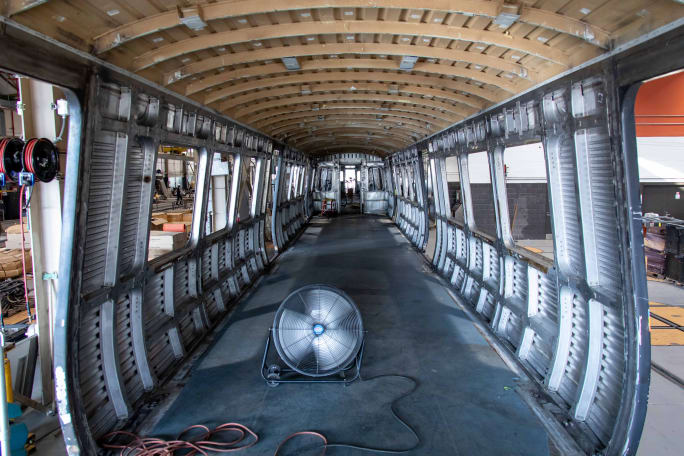
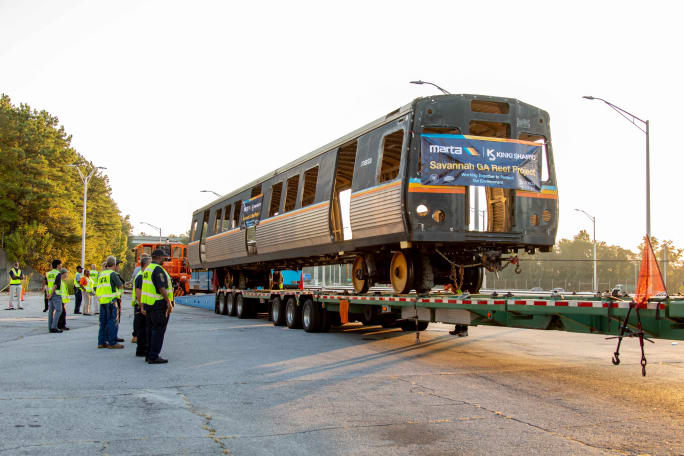
Two older model railcars have been stripped of hazardous materials and contaminants. The dismantled railcars were then inspected and approved by the U.S. Coast Guard for deployment as artificial reef material. The first of the two railcars was loaded onto a truck at MARTA’s South Yard morning and will be delivered to the East Coast Terminal in Savannah. The second will be picked up next week.
“MARTA is thrilled to partner with DNR and be part of the Reef Project,” said MARTA Director of Sustainability Richard Thomas. “Reefing is the most affordable and environmentally responsible way to reuse retired railcars, and we hope to provide more railcars in the future as we make room for the new trains.”
Once on the coast, and when conditions are optimal, the railcars will be deployed by barge to Artificial Reef L, an established reef about two square miles in size, located approximately 23 nautical miles east of Ossabaw Island in about 55 to 65 feet of water.
Over time, the MARTA railcars will provide essential marine habitat for sea creatures, including popular sport fish and endangered sea turtles.
Credit:
MARTA
The DNR Project
Over time, the railcars will provide essential marine habitat for sea creatures, including popular sport fish and endangered sea turtles. While the substrate for the reef is manmade, the organisms that will grow on it are entirely natural and beneficial for the environment. Fish and other marine life such as sea turtles are likely to investigate the new habitat almost immediately. Corals, sponges, and other encrusting organisms will begin to take hold on the railcars in about one year and will continue to grow and improve the longer they are in the ocean. SCUBA divers and anglers can begin using the reef immediately.
The railcars will join previously deployed materials, including U.S. Army M-60 battle tanks, barges, tugboats, New York City subway cars, and other manmade structures. Artificial Reef L was first created in 1976 as part of a network of 32 offshore reefs that the Coastal Resources Division has been building for about 60 years with an estimated three million square feet of reef created as of 2022.
Ad Loading...
DNR will document the deployment extensively with surface, underwater, and drone footage, as well as provide archival footage of previous deployments that have developed into full reef habitats.
Developed with support from the Standards Council of Canada, CSA D700 guides assessing climate-related risks and planning adaptation measures for transit and passenger rail systems.
Transit leaders, manufacturers, and industry professionals gathered in Chicago to explore new technologies, share ideas, and discuss the future of public transportation.
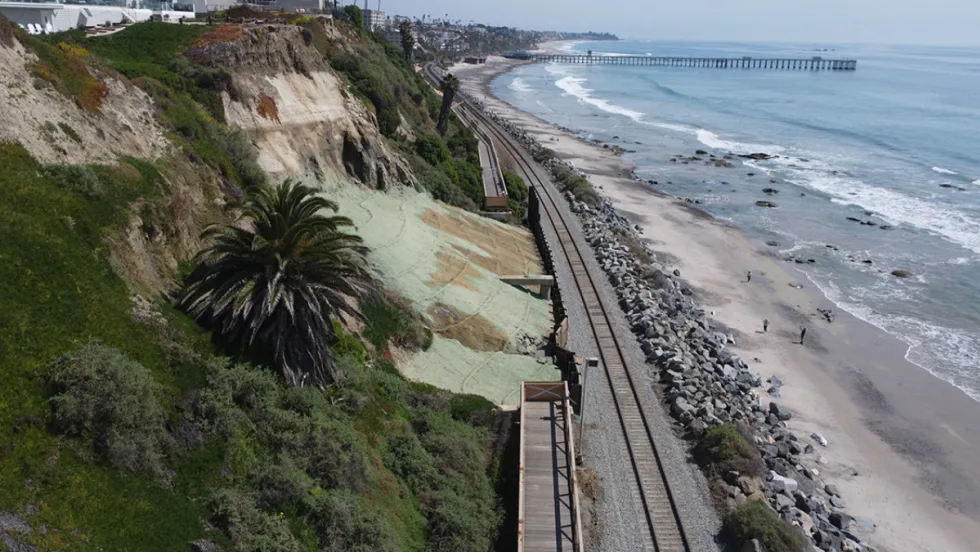
The California agency is accelerating shoreline protection and plans to place approximately 690,000 cubic yards of sand along the San Clemente coast to protect a key passenger and freight rail link.
The Delaware River Port Authority and PATCO have transformed their internship program into a hands-on professional development experience that introduces students to the breadth of transportation careers — and creates a pipeline for future employees.
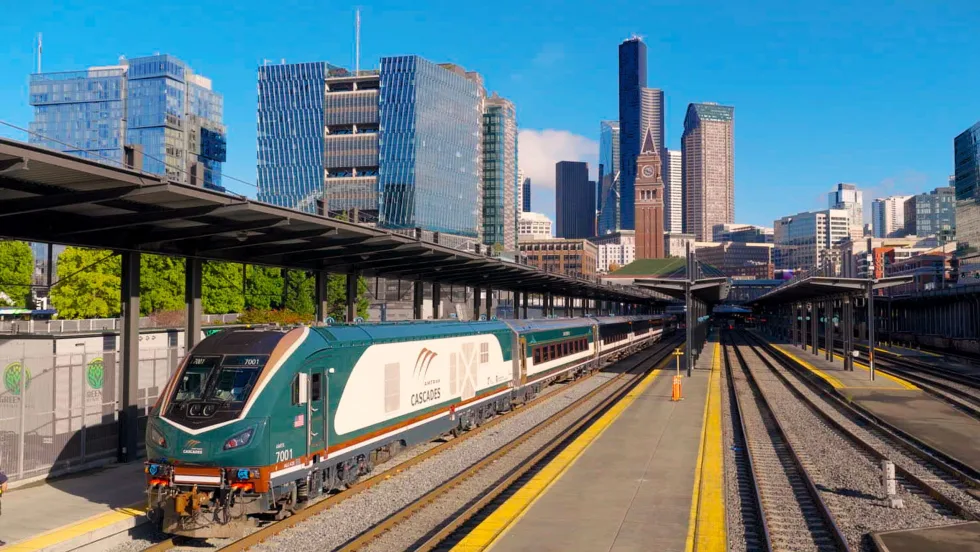
Effective immediately, two cutting-edge Airo trainsets will join the Amtrak Cascades route, operating four daily trips between Vancouver, B.C., Seattle, Portland, and Eugene, Oregon, marking the first introduction of Airo trains into passenger service anywhere in the country.
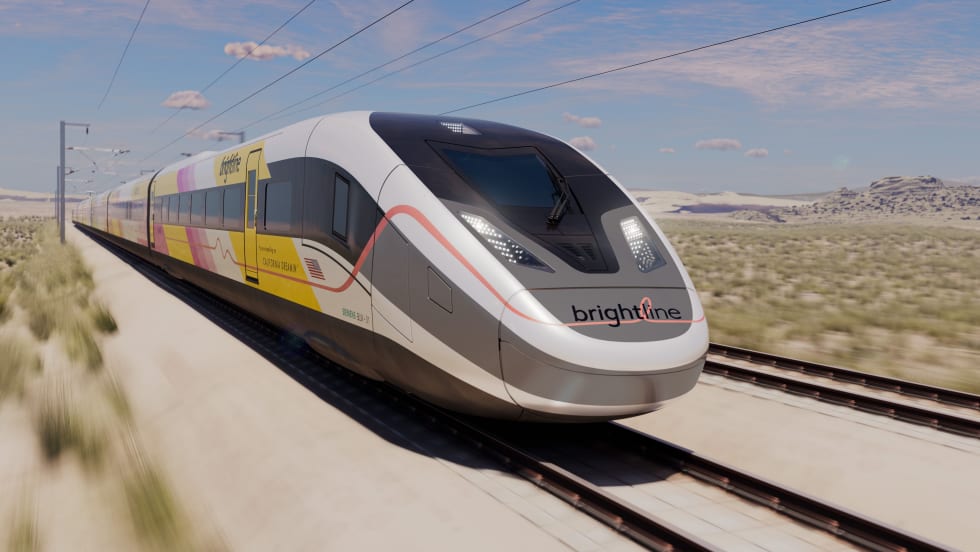
Brightline Florida says train operations will continue as normal as certain parent entities enter Chapter 11 and financial stakeholders provide $490 million in new long-term capital.