



MARTA releases FY12 budget proposal
The proposal, which will be presented at a series of public hearings in May, is focused on maintaining MARTA's long-term financial sustainability, preserving transit service and state-of-good-repair, enhancing some bus routes and implementing new security initiatives.

The Metropolitan Atlanta Rapid Transit Authority (MARTA) board announced a proposed Fiscal Year 2012 Operating Budget of $413.76 million, a Capital Budget totaling $185.5 million and $143.7 million in debt service.
The proposal, which will be presented at a series of public hearings in May, is focused on maintaining MARTA's long-term financial sustainability, preserving transit service and state-of-good-repair, enhancing some bus routes and implementing new security initiatives.
To stabilize MARTA's financial condition and maintain current service levels for customers, a number of internal and external recommendations to stabilize the MARTA's finances are being proposed.
External recommendations include a base fare increase from $2.00 to $2.50, with weekly and monthly pass price increases. In addition, the proposal includes the continuation of staggered increases for Mobility base fare, reduced fare and Mobility passes as indicated in the previous, FY 2010 base fare increase. Mobility base fare, reduced fare and Mobility passes will not be impacted by the proposed FY 2012 base fare increase.
Internal recommendations in the proposed budget include no annual merit or wage increases for non-represented and represented employees, which would be the fourth year in a row.
Despite recently projected increases in MARTA's sales tax over the next 10 years, its finances have been negatively impacted by the overall economic downturn. With no new funding sources on the horizon this fiscal year, MARTA is proposing these changes now to avoid any additional service cuts and to ensure metro Atlanta's prospects for expanded regional transit in the future.
If approved by the board of directors as part of the FY 2012 budget, bus service enhancements would be implemented in September and fare changes would take effect in October.
More Bus
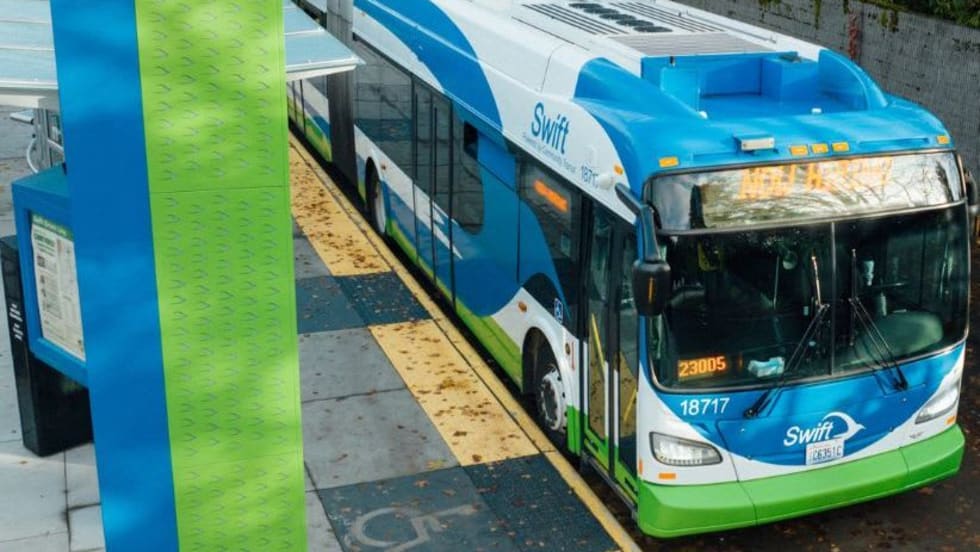
Washington's Community Transit Sets Six-Year Roadmap for Growth, Expansion
Approved TDP targets more bus service, new mobility options, Swift BRT expansion, and a potential Everett Transit annexation.
Read More →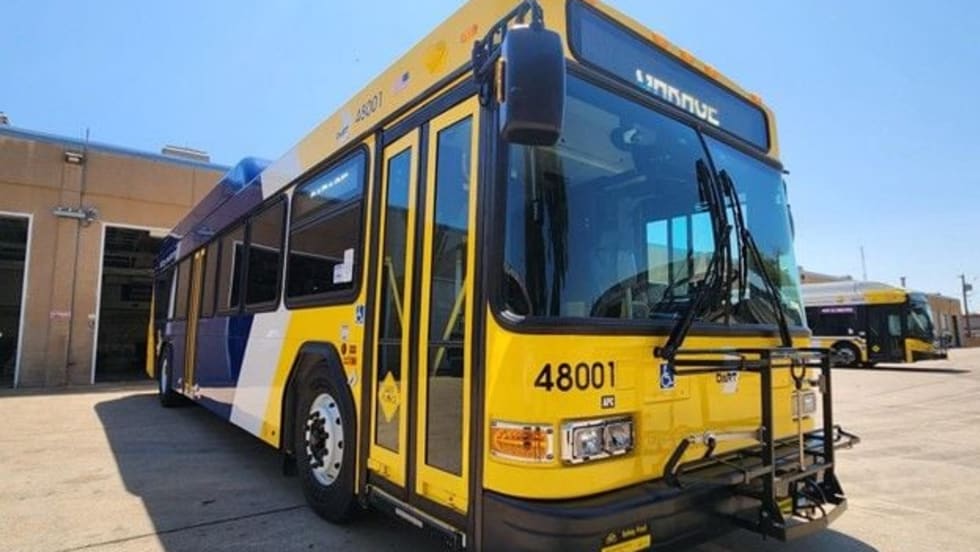
DART Customer Satisfaction Reaches Six-Year High
Overall satisfaction rose to 74.9%, while the agency’s Net Promoter Score reached a record 33.7.
Read More →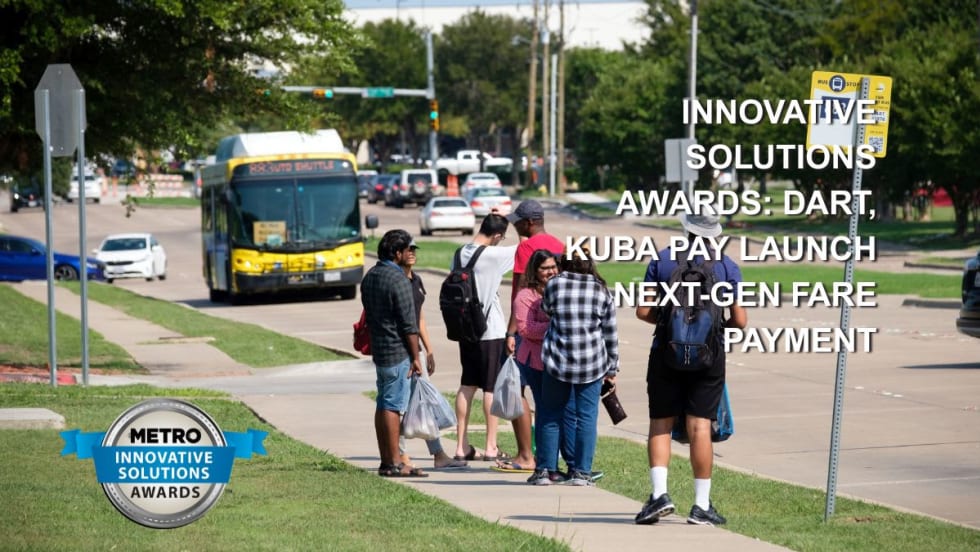
How DART's GoPass Is Redefining Regional Mobility
Serving 14 transit agencies, GoPass simplifies multimodal travel by allowing riders to plan, pay for, and manage an entire trip through one app.
Read More →
Biz Briefs: OCTA Taps Clean Energy for Hydrogen Station, Stadler to Supply Via Rail Vehicles, and More
From manufacturers and suppliers to transit agencies and motorcoach operators, these updates offer a snapshot of the projects, partnerships and business moves driving the industry forward.
Read More →
METRO Magazine Announces 2026 Innovative Solutions Awards Winners
Projects Recognized for Advancing Mobility Through Technology, Accessibility, Workforce Innovation, and Operational Excellence
Read More →
Biz Briefs: STV teams with Amtrak, Motorcoach Operators Boost Fleet and Land Contracts, and More
From manufacturers and suppliers to transit agencies and motorcoach operators, these updates offer a snapshot of the projects, partnerships and business moves driving the industry forward.
Read More →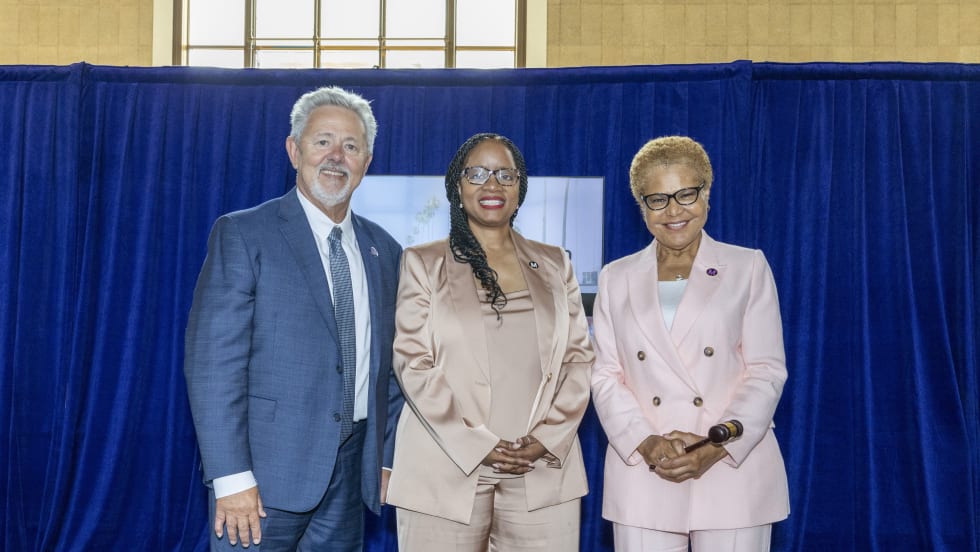
LA Metro Marks Banner Year, Sets Ambitious Goals for New Fiscal Year
Incoming LA Metro Board Chair and Los Angeles Mayor Karen Bass joined outgoing Board Chair Fernando Dutra and LA Metro CEO Stephanie Wiggins to review accomplishments from fiscal year 2026, which included the opening of new rail extensions, advancement of major transit projects, expanded safety programs, and new rider amenities.
Read More →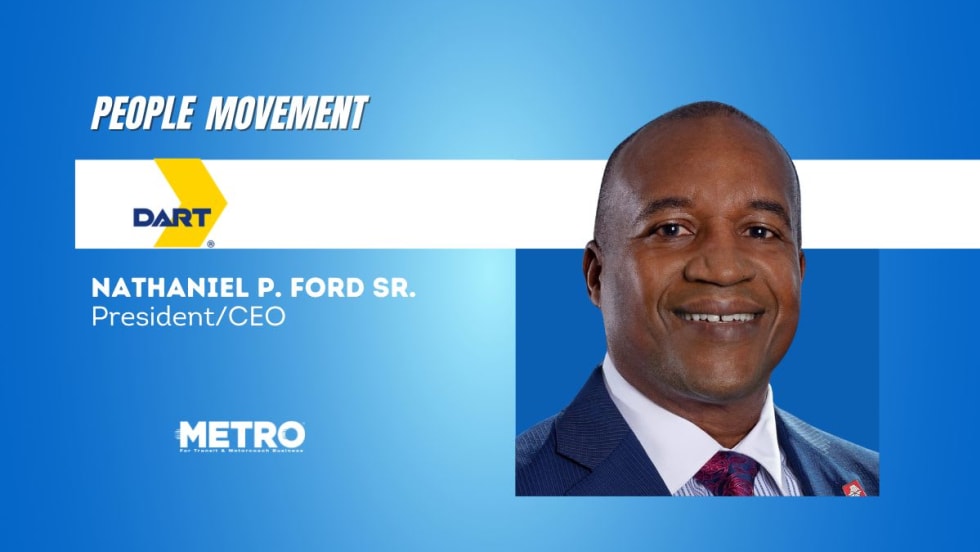
DART Taps Nathaniel P. Ford Sr. as Next President/CEO
Since 2012, Ford has served as the CEO of the Jacksonville Transportation Authority
Read More →
AC Transit’s Cecil Blandon on Building the Next Generation of Transit Maintenance Leaders
The agency’s maintenance chief discusses leadership, workforce development, zero-emission technology, and preparing technicians for the future of public transportation.
Read More →
Building the Next Generation of Transit Technology
In this edition of METROspectives, Luminator CEO Magnus Friberg discusses the company's transformation, the growing role of AI and software, and what's next for transit technology.
Read More →